


It All Starts at the Local Level
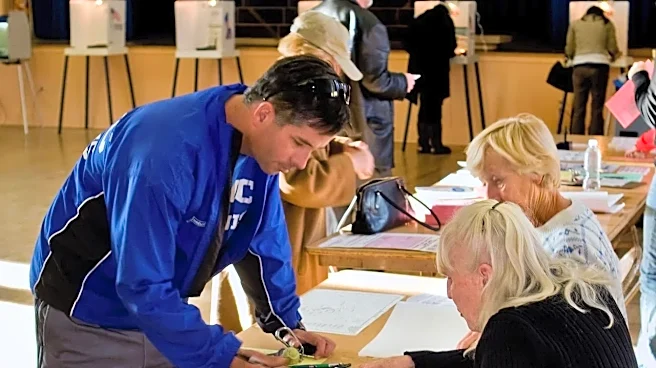
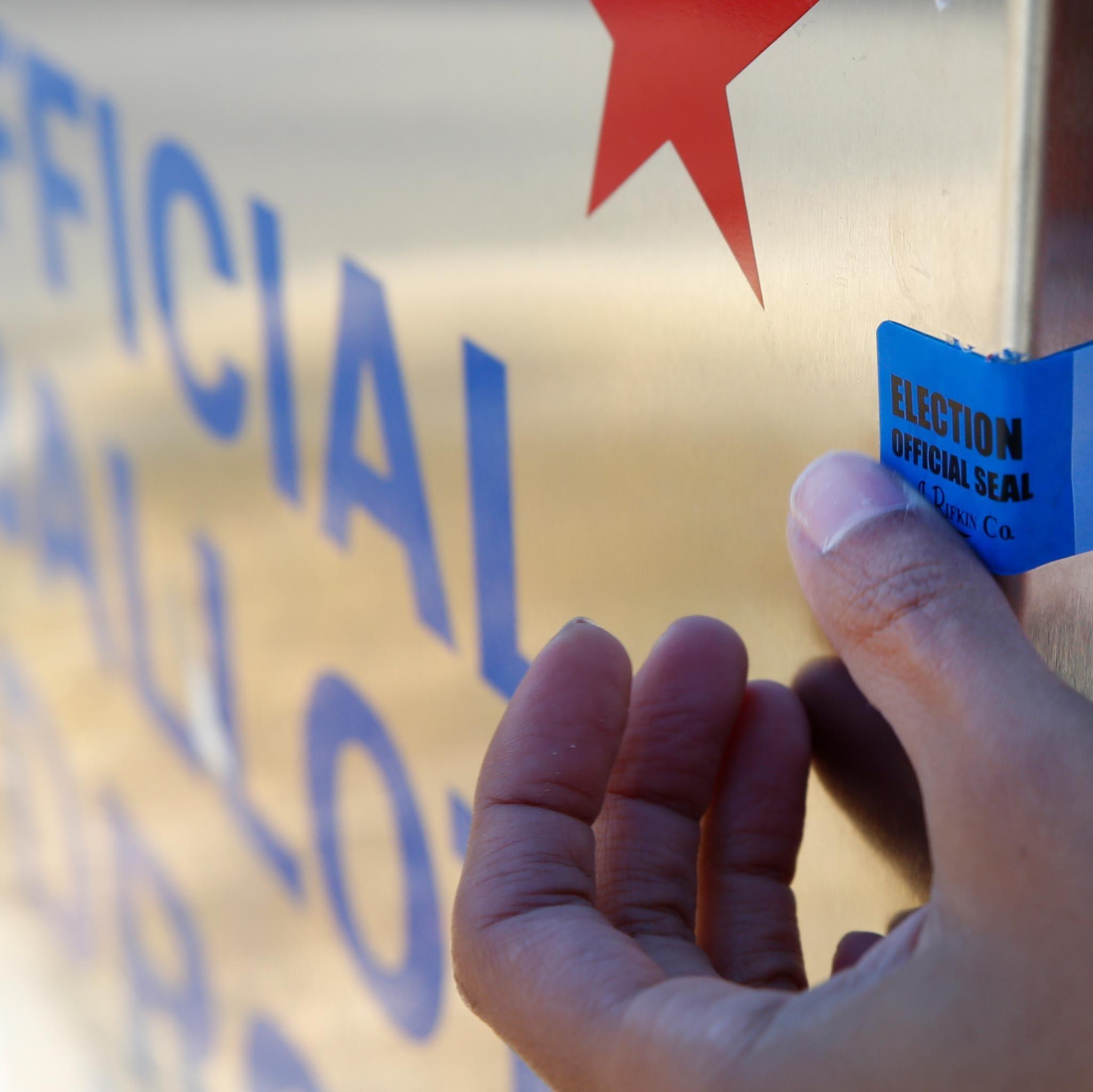
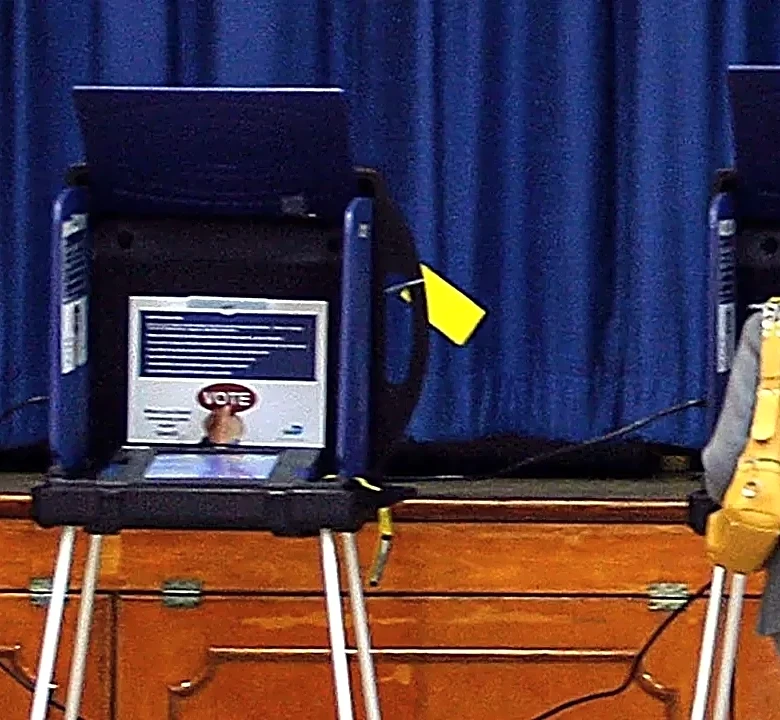
The first official step in validating an election happens in each of the Commonwealth's 351 cities and towns. On election night, the results you hear are considered unofficial. These are the initial tallies from each polling place. In the days following the election, local election officials, typically the city or town clerk, get to work. Their job is to meticulously check and re-check everything. This includes verifying vote tallies from each precinct, counting eligible provisional ballots, and processing mail-in and overseas ballots that arrive after Election Day but within the legal window. All of this is done to create a complete and accurate count for their municipality. Massachusetts law requires every voter to use a paper ballot, which
creates a verifiable trail that can be audited or recounted by hand if necessary.
Deadlines for Local Certification
There are firm deadlines for this local certification. For a general state election, city and town clerks have up to 15 days to complete their work and transmit the certified results to the state. For state or presidential primaries, the timeline is much tighter, with results due just four days after the primary. Once the local clerk certifies the results, they are sent to the Secretary of the Commonwealth, moving the process to the state level. This step is crucial, as state-level certification cannot begin until all local results are officially submitted.
The Secretary of the Commonwealth Compiles the Totals
Once the certified vote counts arrive from every city and town, the Elections Division within the office of the Secretary of the Commonwealth takes over. Their role is to compile all 351 individual reports into a single, official statewide tally. They review the submissions to ensure everything is in order before preparing the final results for the last step in the chain of command. The Secretary’s office effectively acts as the central hub, gathering the meticulously prepared local data and assembling the complete picture of how the entire state voted.
The Final Step: The Governor and Governor's Council
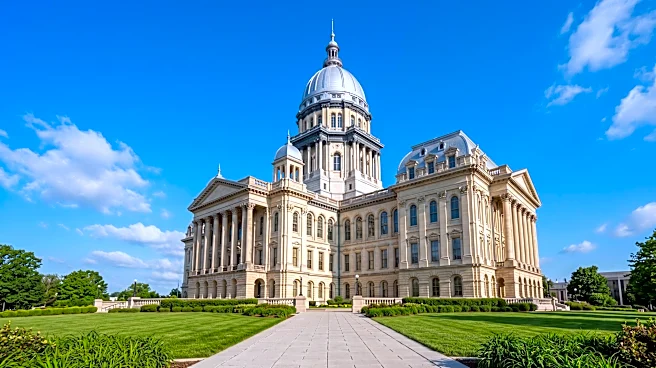
Here’s where Massachusetts stands out. The final, official certification of election results is performed by the Governor and the Governor's Council. The Governor's Council, sometimes called the Executive Council, is an elected body of eight members that dates back to the colonial era. While its powers have changed over the centuries, one of its key constitutional duties is to provide advice and consent on certain executive actions, including the final certification of election results. For state officers and members of Congress, the Governor cannot certify the results until after 5 p.m. on the 15th day following the election, a timeline that allows for potential recounts to be initiated and completed. For presidential electors, the Governor and Council examine the votes and issue a proclamation within 10 days of receiving the records from the Secretary of the Commonwealth.
What if There is a Recount?
The state's election laws have clear procedures for recounts, which can be requested by candidates if the margin is narrow. A recount can pause the certification timeline. If a recount is requested, local election officials conduct a new tally, typically by hand, to re-ascertain the vote totals. The results of this recount then become the new official numbers for that jurisdiction. The certification process only moves forward once any and all recounts are fully resolved and their results are finalized. This ensures that the final declaration of a winner is based on the most thoroughly verified count possible.