





What 'Ballot Curing' Actually Means
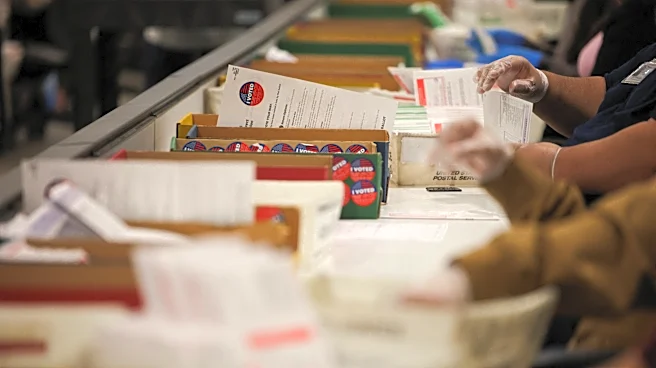
In the world of elections, 'ballot curing' is a straightforward but critical process. It's a second chance for a voter to fix a minor, correctable error on their mail-in ballot envelope so their vote can be officially counted. Rather than discarding a ballot due to a simple mistake, the curing process allows election officials to contact the voter and give them an opportunity to verify their identity and confirm that they were, in fact, the one who cast the ballot. This system is designed to prevent eligible voters from being disenfranchised due to common human error, ensuring the election results reflect the true will of the people.
The Most Common Reasons a Ballot Needs Curing
The vast majority of ballots that get flagged for curing have one of two simple problems: a missing signature
on the outer return envelope or a signature that doesn't appear to match the one on file with the county election office. Every mail-in ballot comes with an outer 'affirmation' envelope that the voter must sign. This signature is what election officials use to verify the ballot's authenticity. Sometimes, in a rush, a voter may forget to sign. Other times, a person's signature may have changed over the years, or it may look different from the one on their original voter registration card, triggering a review. A recent, but now overturned, state law also required voters to include their birth year, which caused a substantial number of rejections before being struck down by a court.
Montana's Post-Election Day Deadline
While some issues must be resolved by 8 p.m. on Election Day, Montana state law provides a crucial grace period for voters to fix signature-related issues on their mail-in ballots after the election is over. However, this window is brief. According to multiple sources, voters have until 5 p.m. on the Wednesday following Election Day to submit the necessary documentation to their county elections office. This short timeframe means that voters must act quickly once they are notified of an issue with their ballot. You can check the status of your mail-in ballot yourself by using the 'My Voter Page' on the Montana Secretary of State's website to see if it has been accepted or rejected.
The Notification and Correction Process
If your ballot is flagged, you won't be left in the dark. County election administrators are required to notify you of the issue as quickly as possible. This notification will come via mail and, if the information is available, by phone or email. The notice will explain the problem and outline the steps needed to 'cure' it. Typically, a voter will need to complete and sign a 'Ballot Rejection Notice' or a similar affirmation form and return it to their local election office. This can usually be done in person, by mail, fax, or email, often along with a copy of a valid ID to help verify your identity. Calling your county election administrator is always the best first step to confirm what's needed.
Why This Grace Period Is So Important
The ballot cure window is more than just a procedural detail; it's a cornerstone of ensuring fair and accurate elections. In any given election, thousands of ballots can be initially rejected for signature issues, which represents thousands of potentially silenced voices. The cure process acknowledges that simple mistakes happen and provides a secure method for voters to correct them without compromising election integrity. It prioritizes voter enfranchisement and reinforces public trust by making sure that every validly cast vote is counted. Rather than being a sign of problems, a robust ballot cure process is a sign of a healthy democratic system working to include, rather than exclude, its citizens.