


The Short Answer Is Yes, With Rules
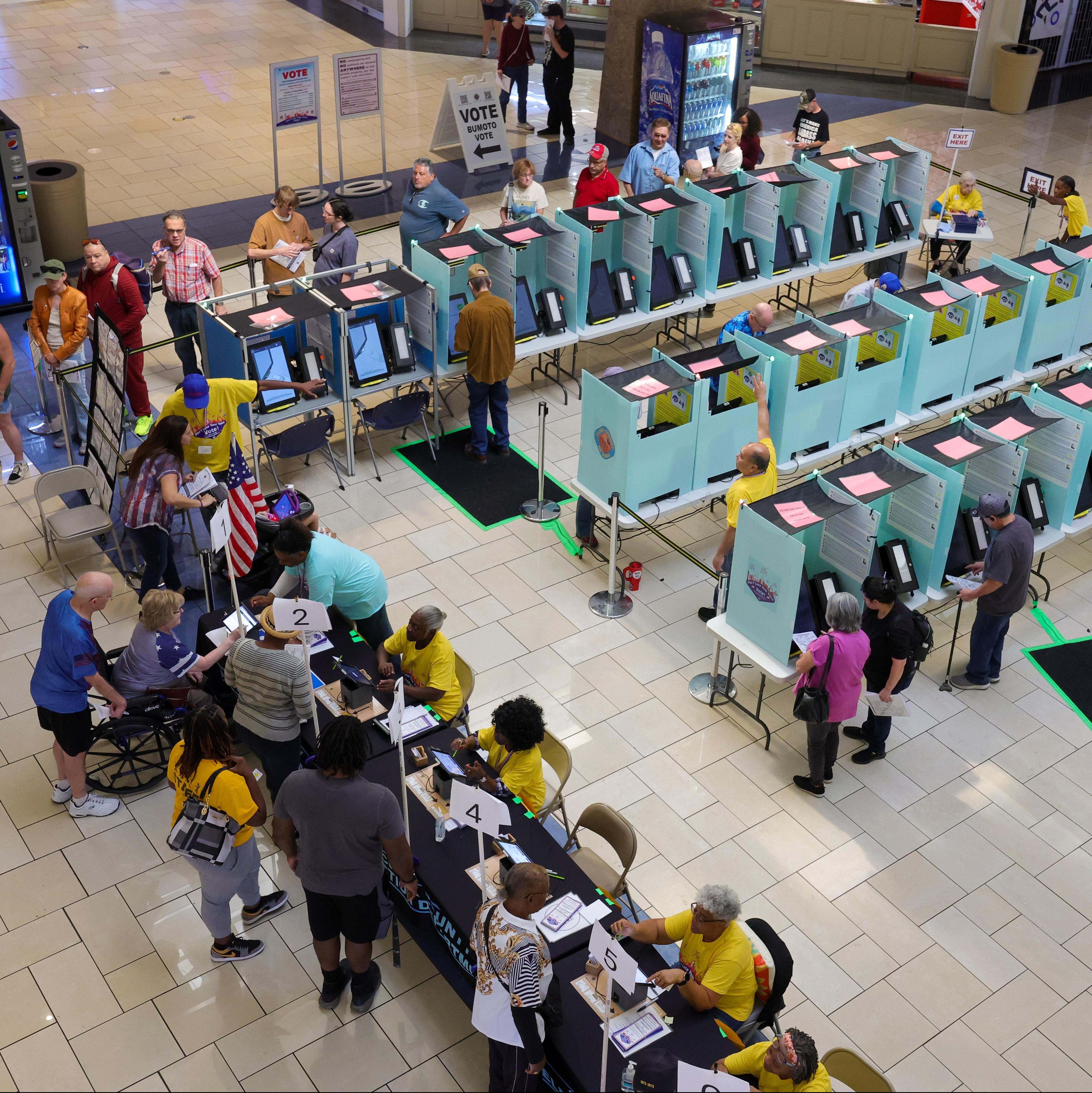
Wisconsin state law explicitly permits public observation of election activities, including the counting of ballots. This isn't just a casual invitation; it's a legal right rooted in the principle of government transparency. The entire process, from the opening of polls to the final tally, is considered a public meeting. However, this access is not unlimited. Election officials are required to manage the process to prevent disruption, intimidation, and delays. The core framework is simple: anyone can watch, but they must follow strict rules of conduct and remain in designated areas. The goal is to balance public access with the secure and efficient administration of the election. Think of it less like a town hall and more like observing a formal
proceeding.
Who Can Be an Observer?
The eligibility for being an election observer in Wisconsin is remarkably broad. Any member of the public can serve as an observer, with one key exception: candidates on the ballot are not permitted to be observers at a polling place until after it has closed. There is no requirement for an observer to be a registered voter in the state to simply watch the process. Upon arrival at a polling place or counting center, observers must check in with the chief election inspector, present photo identification, and sign an official log. They are then issued a tag or badge identifying them as an 'Election Observer', which they must wear. While individuals can observe on their own, political parties and other organizations often appoint official observers. Election officials have the authority to limit how many observers from a single organization can be present at one time to prevent crowding and maintain order.
What Observers Can (and Cannot) Do
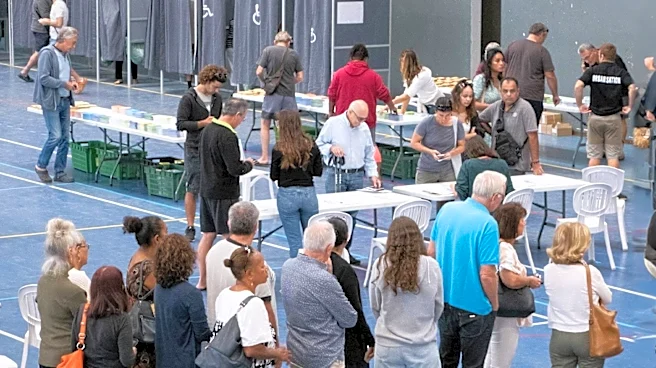
The rights and restrictions for observers are very specific. Observers are entitled to sit or stand in a designated observation area, which by law must be between three and eight feet from the tables where voters check in or where ballots are being processed. From this area, they can watch all proceedings, take notes, and see the process unfold. If an observer believes a rule is being violated, they can bring it to the attention of the chief inspector. A qualified Wisconsin elector, including an observer who is an elector, may formally challenge a voter's eligibility for cause. The list of prohibitions is much longer. Observers cannot talk to or interact with voters, handle any official election documents, or disrupt the work of poll workers. Using a cell phone for voice calls is forbidden. Perhaps most importantly, while observing the process at a polling place, they are not allowed to take photos or videos. This rule is in place to protect voter privacy and prevent any activity that could be perceived as intimidating. After polls close, however, the rules on recording can relax as long as it doesn't disrupt the count.
Why These Rules Exist
The detailed regulations governing election observation serve a dual purpose: ensuring transparency while protecting the integrity and smooth operation of the election. By allowing the public to watch, the state aims to build confidence that the count is being conducted fairly and accurately. Every vote cast in Wisconsin has a paper record, and the public counting process is another layer of verification. At the same time, the restrictions are designed to prevent the observation process itself from becoming a tool for disruption or voter intimidation. Prohibiting direct interaction with voters or poll workers ensures that the count can proceed efficiently and without interference. The designated observation area keeps observers close enough to see everything clearly without getting in the way or inadvertently viewing confidential voter information. The rules are a carefully considered compromise, aiming to make the process as open as possible without sacrificing security or order.