






Statewide Polling Hours
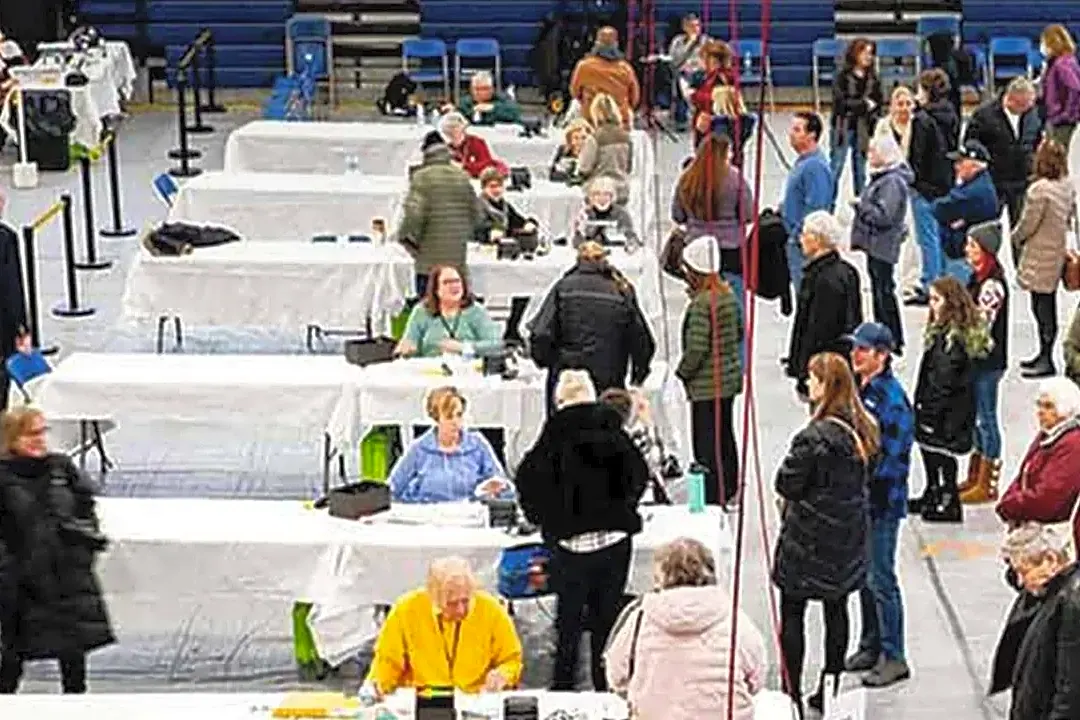
In North Dakota, there isn't one uniform time for when all polls open and close. Instead, hours are set at the county level, creating some variation across the state. According to state law, polls must open between 7:00 a.m. and 9:00 a.m. local time. They are required to close sometime between 7:00 p.m. and 9:00 p.m. local time. This flexibility means it's crucial for voters to verify the specific hours for their designated polling location. It's also important to remember that North Dakota is split between two time zones, Central and Mountain, which can affect closing times when viewed from outside the state. If you are in line when your polling place officially closes, you will be allowed to vote.
How to Find Your Specific Polling Place and Hours
Since polling hours vary by county, the best
way to get definitive information is to use the official state-run voter information portal. By visiting vote.nd.gov, you can enter your residential address to find your exact polling location, its specific hours of operation, and even view a sample ballot. County auditors are the local election officials responsible for these details, and the state portal is the most reliable source for up-to-the-minute information. Media outlets and non-profit organizations also often provide tools to look up this information, which typically pull data directly from the Secretary of State. It's always a good idea to confirm your location before you head out, as precincts can sometimes be consolidated or moved.
North Dakota's Unique System: No Voter Registration
North Dakota is the only state in the nation that does not have a system of voter registration. The state abolished the practice in 1951, relying instead on its strong identification requirements and a network of relatively small, community-based precincts where poll workers might know the voters. To be eligible to vote, you must be a U.S. citizen, at least 18 years old on Election Day, and have been a resident of your precinct for at least 30 days. Instead of checking a registration roll, election officials verify your eligibility by checking your ID against a statewide database, which is updated in real-time to prevent anyone from voting more than once.
What You Must Bring to the Polls
Because there is no voter registration, providing a valid ID is mandatory for all voters in North Dakota. An acceptable form of identification must include your name, current North Dakota residential address, and your date of birth. Accepted IDs include a North Dakota driver's license, a non-driver's ID card, a tribal government-issued ID, or a long-term care certificate from a North Dakota facility. If your ID is valid but does not show your current residential address or is missing your date of birth, you can supplement it with another document, such as a current utility bill, a bank statement, or a paycheck. Digital IDs on your phone are not accepted for voting.
Other Ways to Vote: Absentee and Early Voting
If you can't make it to the polls on Election Day, North Dakota offers other convenient options. Any eligible voter can request an absentee ballot without needing an excuse. You must submit an application to your county auditor, and the completed ballot must be returned by the time polls close on Election Day. It's important to note that absentee ballots cannot be dropped off at polling places on Election Day; they must be returned to the county auditor's office, by mail, or in a designated drop box. Additionally, some counties offer in-person early voting. This option is decided at the county level and typically begins within 15 days of the election. You can check the state's voting portal to see if your county provides early voting locations and hours.