




The Post-Election Period: More Than Just Waiting
While news outlets project winners on election night based on unofficial results, the actual process of finalizing an election takes several weeks. This isn't a new development or a sign of trouble; it's a meticulous, legally-mandated system designed to ensure accuracy and public trust. For every election, bipartisan officials in all 100 counties work to count every eligible ballot, including absentee and provisional votes, and conduct audits to confirm the totals. This period of careful review is fundamental to the integrity of the results, moving from the initial, unofficial tallies of election night to the final, legally binding outcome. It's a deliberate process that prioritizes accuracy over speed, ensuring that the voice of every eligible voter
is heard correctly.
County Canvass: The Official Review Begins
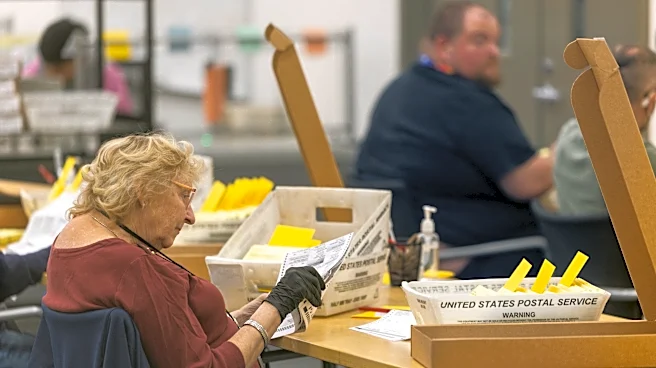
The first major step is the county canvass. By law, each of North Carolina's 100 county boards of elections meets ten days after the election to officially review and authenticate the votes cast in their jurisdiction. 'Canvass' is the formal name for the process of ensuring all votes have been counted and tabulated correctly. During this period, election officials resolve any outstanding issues. They count valid absentee ballots that arrived after Election Day but before the legal deadline, and they research every provisional ballot to determine voter eligibility. Provisional ballots are cast when a voter's registration in in question at the polling place. Bipartisan teams also conduct a hand-to-eye audit of ballots from randomly selected precincts to verify that the counting machines were accurate. These canvass meetings are public, transparent events that culminate in the county's official certification of its results.
The 'Cure' Process: Making Sure Every Valid Vote Counts
Sometimes, an absentee ballot is returned with a minor, fixable error. This is where the 'cure' process comes in. North Carolina law allows voters to correct certain deficiencies on their mail-in ballot envelope so their vote isn't rejected for a simple mistake. For example, if a voter forgot to sign the certification envelope or a witness provided incomplete information, the county board of elections will notify the voter. The voter then receives a 'Cure Certification' form to complete, allowing them to provide the missing information and ensure their ballot is counted. However, some errors, like a missing witness signature, cannot be cured and require the voter to cast a new ballot. This process is a crucial safeguard that in past elections has allowed thousands of North Carolinians to have their votes counted.
State Certification: The Final Word
After every county has completed its canvass, the final step is statewide certification. The State Board of Elections meets a few weeks after the election to aggregate the certified results from all 100 counties. At this public meeting, the board reviews all the data and officially certifies the final results for all federal, statewide, and judicial contests. It is only at this point that the election results are considered final and official. This certification is a mandatory, non-discretionary duty that confirms the mathematical accuracy of the vote totals. Once the state certifies the results, the winners are officially declared, and the election cycle concludes. Should a race be extremely close, candidates can request a recount after the county canvass but before the state certification, adding another layer of verification to the process.