




The One and Only Automatic Trigger: A Tie Vote
Here’s the most important thing to know: South Dakota law has only one scenario that triggers a truly automatic recount, and that's a tie vote. If the official canvass reveals that two candidates for an office have the exact same number of votes, the process for a recount begins automatically without either candidate needing to file a petition. This provision applies to most elections across the state, from statewide contests to local races. However, there's a specific exception for school and township elections, which have their own distinct procedures for resolving ties. If a recount confirms the tie, the winner is then determined by drawing lots.
Close Margins Don't Trigger Recounts, They Permit Them
Unlike many states where a close margin (like 0.5% or 1%) automatically initiates a recount, South
Dakota puts the ball in the candidate's court. A close election result doesn't start a recount; it simply gives a losing candidate the legal standing to request one. If the margin is within a specific percentage, the candidate can petition for a recount, and the state or county will conduct it. This is a crucial distinction: the process is candidate-initiated, not automatic. The thinking behind this approach places the burden on the candidate who believes a recount could change the outcome, rather than mandating a state-funded process for every close race.
What Counts as a 'Close' Election?
The definition of 'close' depends entirely on the office in question. The rules are tiered, creating different standards for different types of races. For statewide offices (like U.S. Senator or Governor) and multi-county district offices, the margin must be exceptionally narrow: one-fourth of one percent (0.25%) or less of the total votes cast. For legislative seats and local elections confined to a single county, the threshold is more generous, allowing a candidate to request a recount if the margin is two percent (2%) or less. For municipal elections, a candidate can request a recount if the margin is 2% or less, or if the raw vote difference is five votes or fewer.
How the Recount Process Works
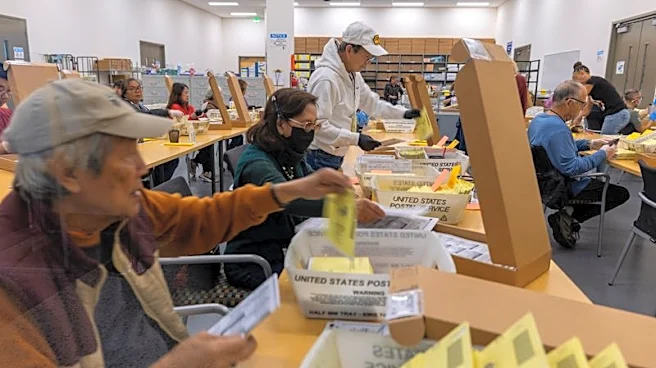
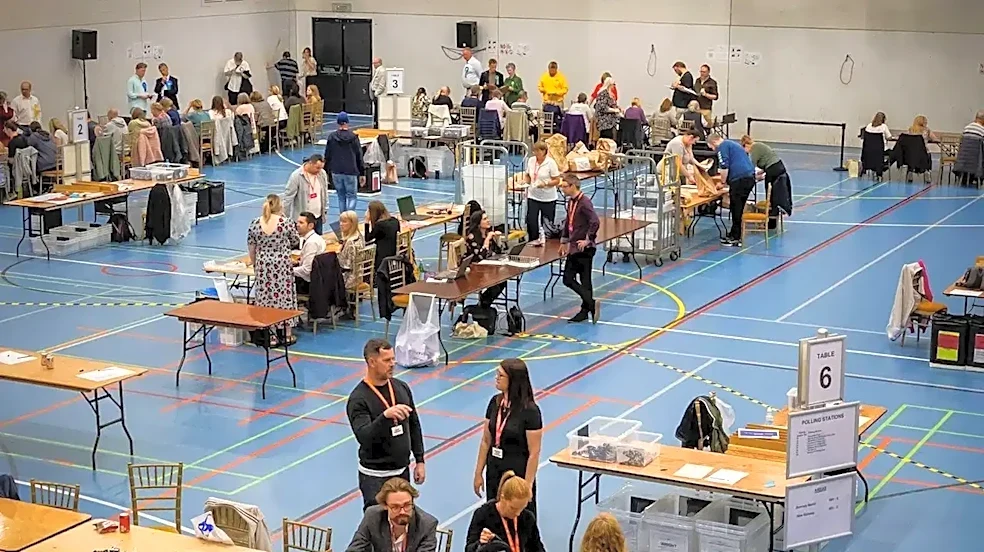
Once a valid petition is filed or a tie is certified, a county recount board is established. This board typically consists of a recount referee, who is a member of the state bar, and two voters representing the major political parties. The board's job is to conduct a fair and accurate retabulation of the votes. In South Dakota, this usually involves re-scanning ballots with automatic tabulating equipment. Ballots that the machine can't read, or that have unclear markings, are reviewed by the board to determine voter intent, and may be counted by hand. This combination of machine and human review is designed to ensure accuracy while remaining efficient. The recount board then certifies the new official returns.
Recounts for Ballot Questions
It’s not just candidates who can seek a recount; voters can as well, specifically for ballot measures. For a statewide ballot question, if the margin is 0.25% or less, a petition signed by at least 1,000 voters from at least five counties can initiate a recount. For local and municipal ballot questions, the threshold is a 2% margin, and a petition can be filed by just three registered voters from the jurisdiction. This provides a pathway for the public to verify the results of closely contested referendums and initiatives, ensuring that the final outcome accurately reflects the will of the voters.