


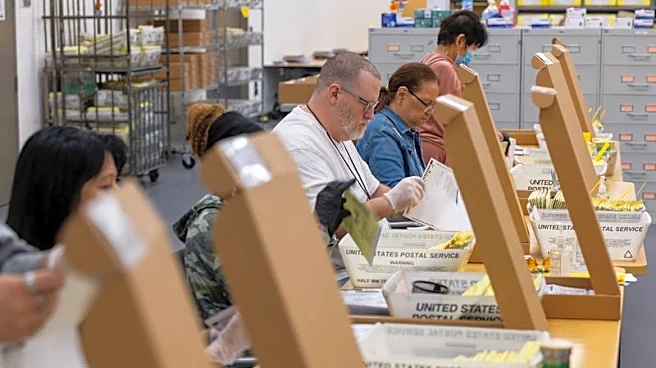

The First Trigger: A Machine Recount
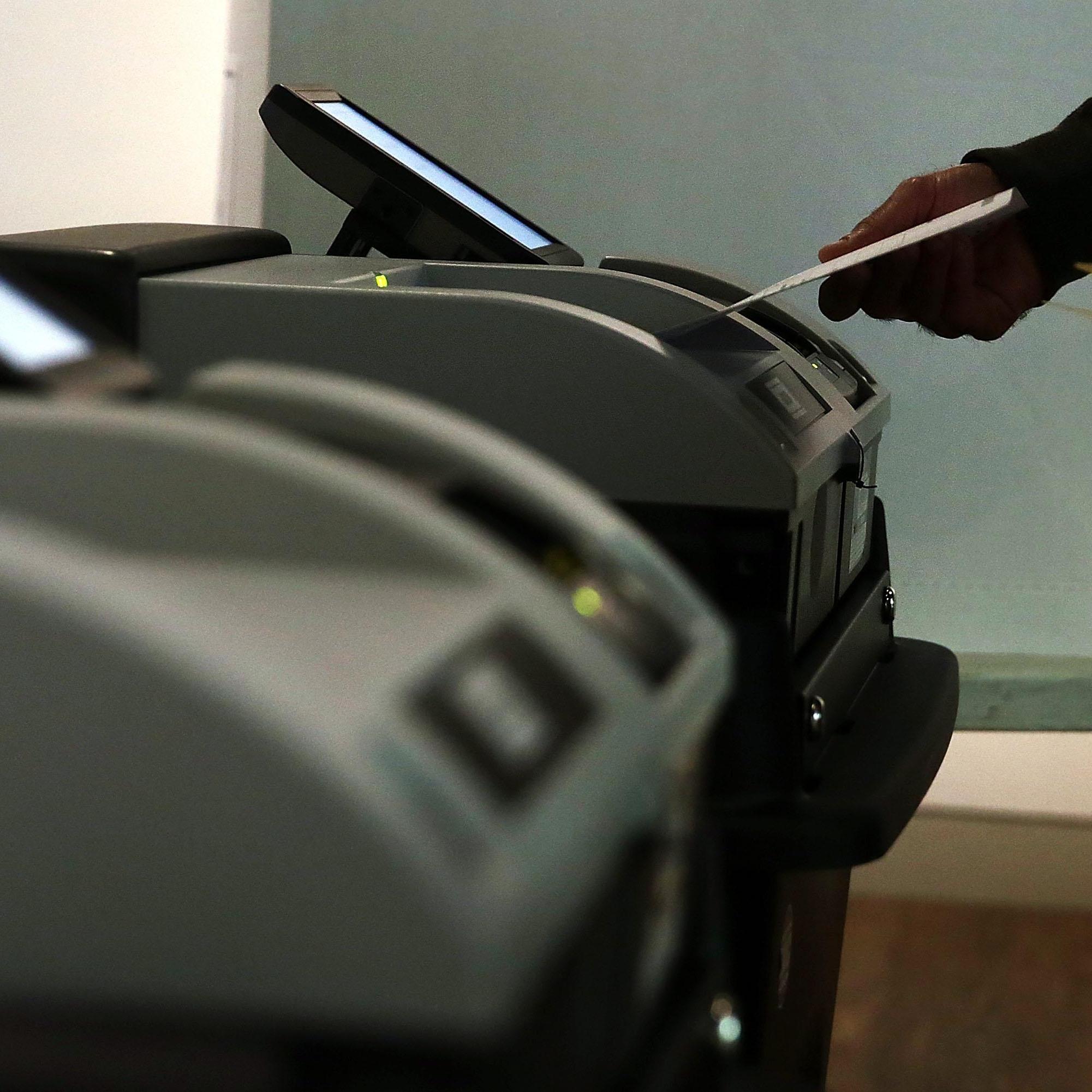
The most common type of automatic recount in Washington is a machine recount. This process is initiated for any candidate race or statewide ballot measure if the final results meet two specific criteria simultaneously. The margin between the top two candidates (or between 'yes' and 'no' on a measure) must be less than 2,000 votes and less than 0.5% (one-half of one percent) of the total votes cast for that race or measure. If both of these conditions are met after the official results are certified, the state automatically orders the ballots to be run through the tabulation machines a second time to verify the count. This initial step serves as a crucial check on the vast majority of close contests.
The Second, Stricter Trigger: A Manual Recount
When the margin is exceptionally thin, Washington's
laws demand a more granular approach: a manual, or hand, recount. This is triggered by a different, much tighter set of thresholds. For a statewide race (like for governor or a U.S. senator) or a statewide measure, a manual recount is required if the margin is less than 1,000 votes and less than 0.25% (one-quarter of one percent) of the total votes cast. For non-statewide races, such as for a county or city office, the trigger is even smaller: a margin of less than 150 votes and less than 0.25% of the vote. In these instances, teams of election workers physically examine each ballot to determine voter intent, providing the most detailed level of scrutiny possible.
Who Foots the Bill?
A key feature of Washington's automatic recount system is that the public bears the cost, reflecting the idea that election accuracy is a public good. If a mandatory recount is triggered for a statewide office, congressional or legislative seat, the state reimburses the counties for the expense. For mandatory recounts in local races, the county itself covers the cost. This is a significant distinction from a requested recount, where a candidate or group of voters can ask for a recount even if the automatic triggers aren't met. In those cases, the requester must put down a deposit—15 cents per ballot for a machine recount or 25 cents for a manual one—and is responsible for the full cost unless the recount reverses the election's outcome.
What Doesn't Trigger a Recount
Just as important as knowing what triggers a recount is knowing what doesn't. Washington state law is specific that there are no automatic recounts for local ballot measures; the rules only apply to candidate races and statewide measures. Additionally, there is no automatic recount to determine the margin between the first and second-place finishers in a primary election. In a primary, a recount can only be triggered if the margin between the second and third-place candidates is close enough to potentially change who advances to the general election. This ensures the system is focused on its primary purpose: confirming the final winner of a general election or the outcome of a statewide decision.