




The Head Start for Early and Mail-In Ballots
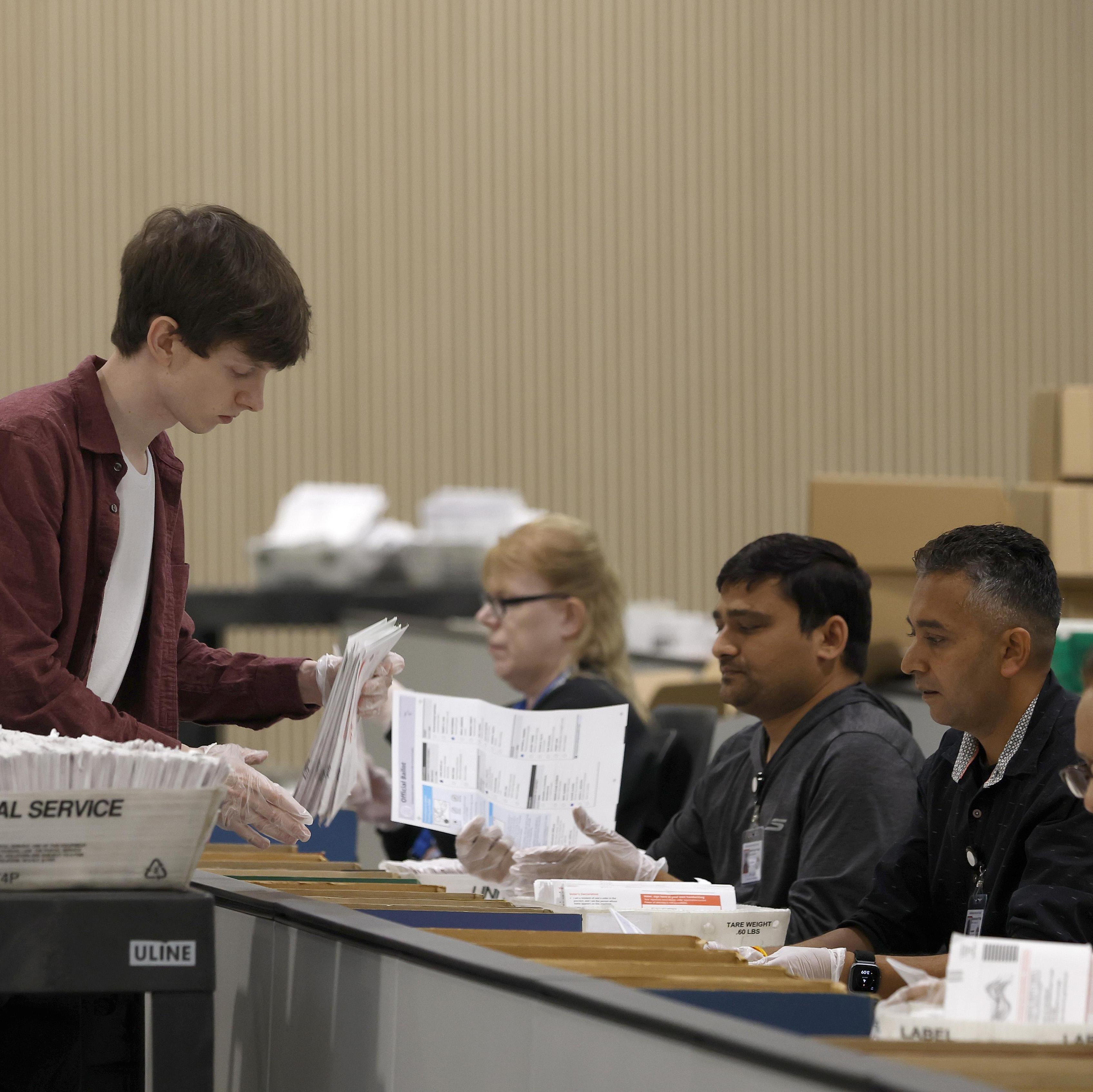
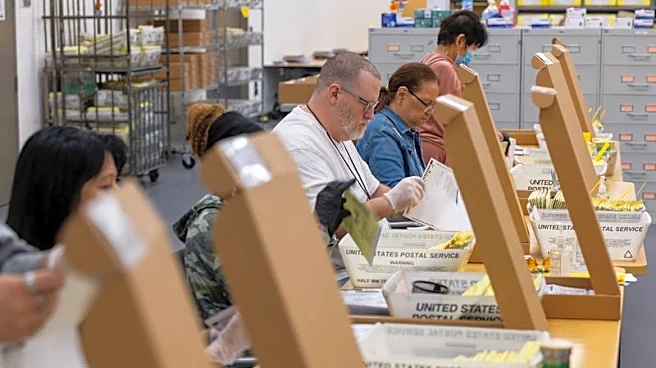
Long before the polls open on Election Day, Idaho's county clerks are already hard at work. State law allows election officials to begin processing absentee and early-voted ballots as they arrive. This 'pre-processing' includes crucial security steps like verifying voter signatures on the return envelopes and confirming their registration. In some counties, officials can even open the envelopes and scan the ballots up to seven days before the election, though the actual votes are not tabulated or revealed. This preparation gives these ballots a significant head start. Because of this, results from early voting and absentee ballots are typically the first to be reported by counties shortly after the polls close. Nearly all of Idaho's 44 counties tend
to release these results in their very first update of the night.
The Statewide Stagger and Poll Closing Times
One unique feature of Idaho's election night is its dual time zones. Most of the state is in the Mountain Time Zone, where polls close at 8 p.m. However, the northern panhandle of the state is in the Pacific Time Zone, meaning its polls close an hour later, at what is effectively 9 p.m. Mountain Time. Idaho law is clear: no election results can be publicly released until all polls in the entire state have closed. This rule ensures that voters in the panhandle are not influenced by early returns from the southern part of the state. As a result, the first batch of results from any county will not appear until after 9 p.m. Mountain Time, when the last voter has cast their ballot.
Counting the Election Day Votes
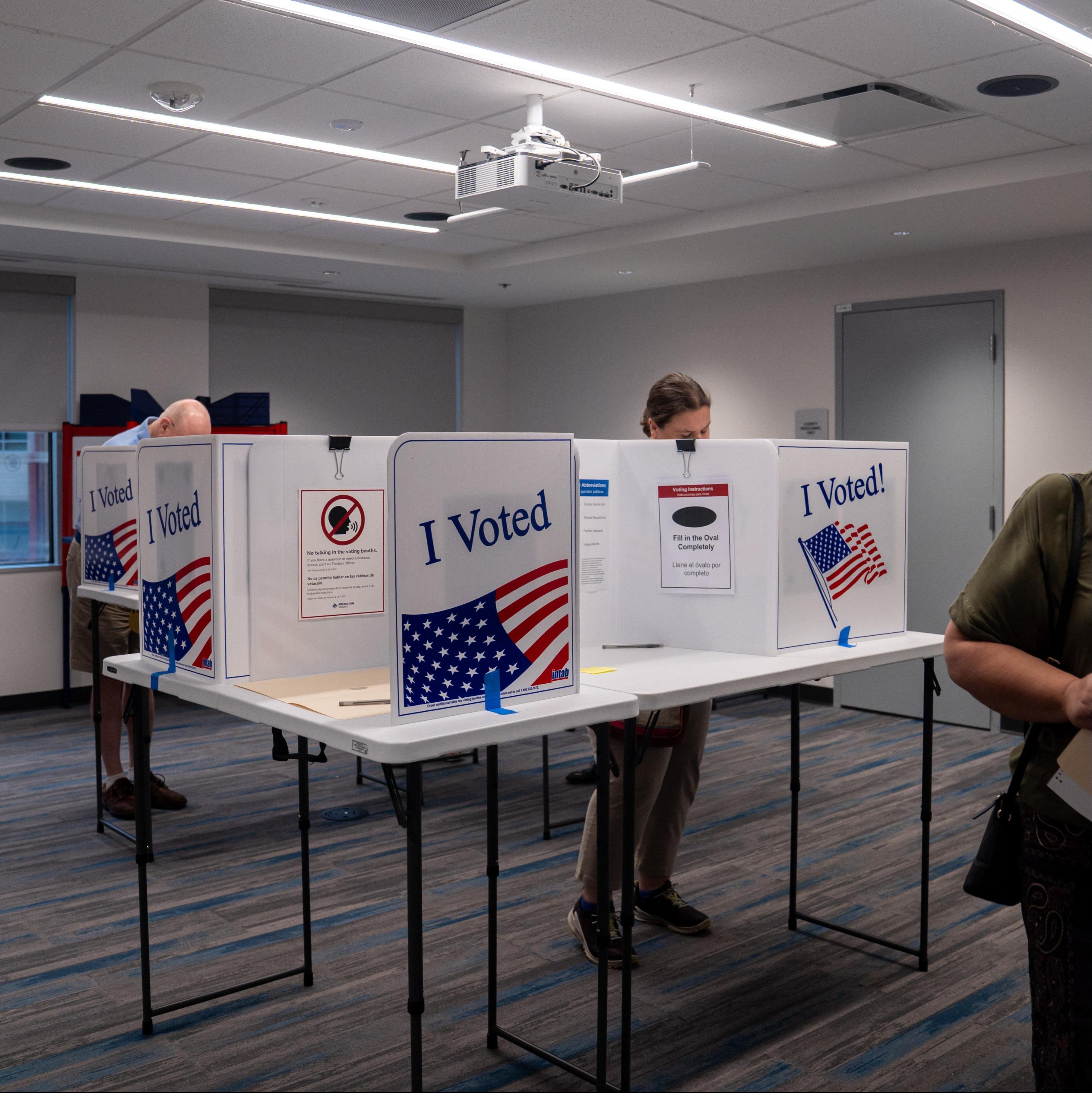
Once polls are officially closed statewide, the focus shifts to the ballots cast in person on Election Day. These ballots are collected from individual precincts and transported to central counting locations within each county. The method of counting can vary; some counties use high-speed tabulating machines, while others in more rural areas may conduct hand counts. As these precinct batches are counted, their totals are added to the early and absentee votes that were reported first. This is why you see vote totals climb throughout the night. The results arrive in waves, precinct by precinct, until all the in-person votes have been tallied and reported to the county clerk.
Why This Order Matters for Results
The sequence of the count can create predictable, but sometimes misinterpreted, patterns in the results. For example, if one political party's voters tend to favor mail-in and early voting, the initial results reported just after 9 p.m. might appear to lean heavily in their favor. Conversely, if another party's base prefers to vote in person on Election Day, the results may shift as those precinct-level votes are added to the totals later in the evening. This phenomenon, sometimes called a 'red mirage' or a 'blue shift' in other states, is not a sign of anything unusual. Instead, it’s a direct reflection of which types of ballots are counted and reported first. Understanding this flow is key to patiently interpreting the full story of an election as it unfolds.