
The Automatic Trigger: When a Recount is Mandatory
New York State doesn't leave the decision to chance in the closest races. State election law mandates a full manual recount under specific, clear conditions. An automatic recount is triggered if the margin
of victory between candidates is exceptionally narrow. This happens if the winner is ahead by 20 votes or less, or if the margin is 0.5% or less of the total votes cast in the contest. For major statewide races where over a million ballots are cast, the threshold is slightly different: a margin of less than 5,000 votes will also kick off an automatic recount. This process is not optional; it's a built-in safeguard designed to ensure the most accurate result when the stakes are highest and the margin is thinnest. This full manual recount is considered the gold standard, superseding the initial machine count.
What 'Manual Recount' Actually Means
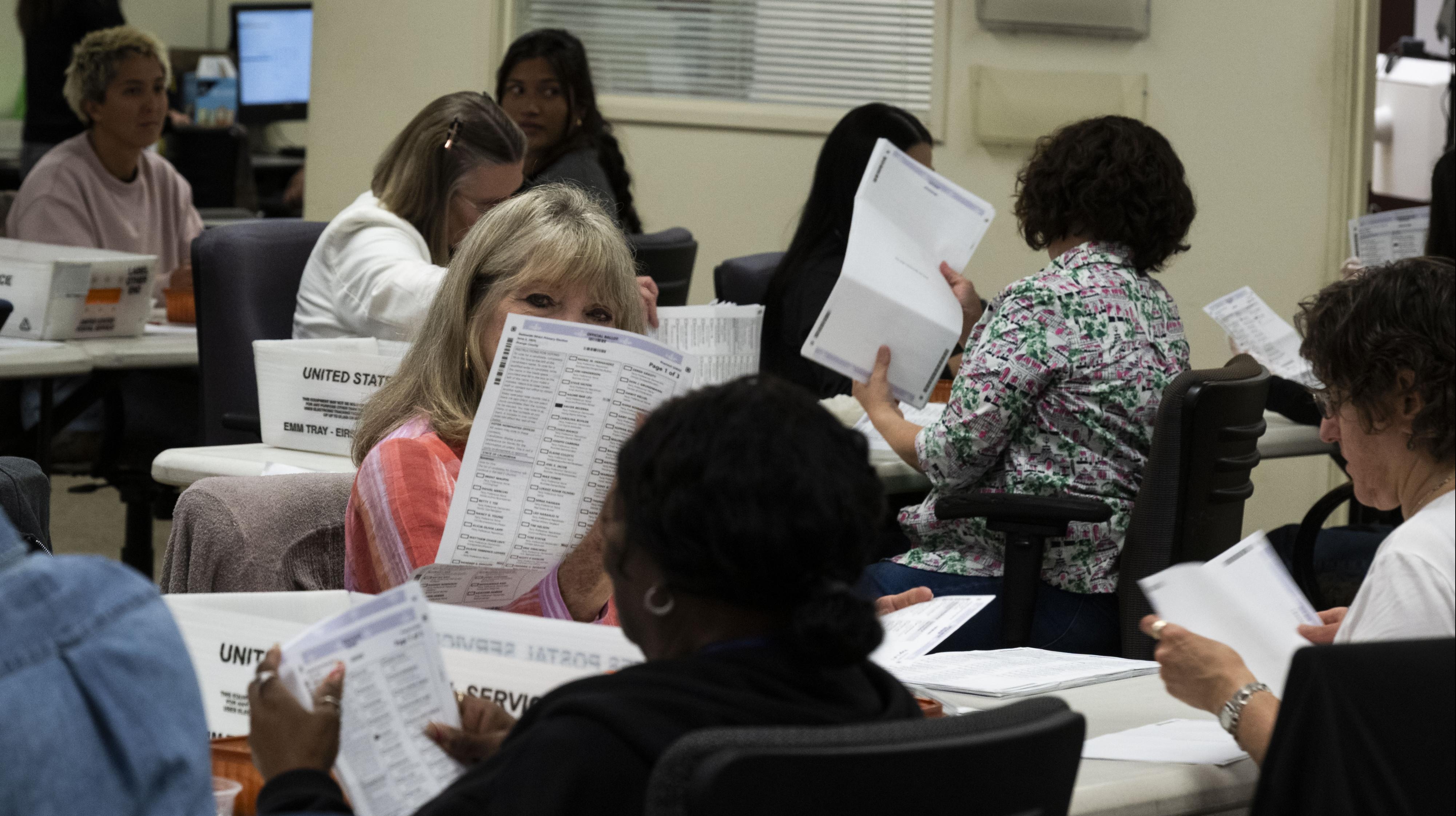
When a recount is initiated, it isn't just a simple do-over. In New York, for these close contests, the process is a full hand recount. This means bipartisan teams of election workers manually examine every single paper ballot. They don't just feed them back into the scanning machines. The goal is to determine voter intent on each ballot, which is especially important for ballots that may have been marked ambiguously and rejected by a scanner. For example, a voter might circle a name instead of filling in the bubble. During a machine scan, that vote might be missed, but during a hand count, election officials can often determine the voter's clear choice. Representatives from the campaigns are legally entitled to be present and observe this process, ensuring transparency and giving them the opportunity to challenge how a specific ballot is interpreted.
Beyond the Automatic: Requesting a Recount
What happens if a race is close, but not quite close enough to meet the automatic trigger? A candidate can't simply demand a recount because they are unhappy with the result. Unlike in some other states, voters themselves cannot initiate a recount in New York. The primary way to force a recount outside of the automatic process is through the courts. A candidate or voter can petition a judge, arguing that there were specific errors, discrepancies, or irregularities in the initial count that justify a new look at the ballots. This isn't a fishing expedition; the petitioner generally needs to present some evidence to support their claim. This can turn the process into a legal battle, with lawyers for each side arguing over stacks of disputed ballots in a courtroom. A judge ultimately decides whether a full or partial recount is warranted.
The Precursor: What is a Recanvass?
Before any full recount begins, New York law requires a 'recanvass' to be completed in every election. This is a standard part of the post-election certification process and happens within about two weeks of the election. A recanvass is not a full recount. Instead, election officials are primarily double-checking their own work. They compare the totals from the machine scanner tapes to the numbers they reported on election night to ensure there were no transcription errors. They also examine and count write-in votes and any paper ballots that were counted by hand on election night for other reasons. If this initial check reveals a discrepancy—for instance, if the number of voters who signed in doesn't match the number of ballots scanned—it can trigger a more thorough examination of the ballots in that specific district. A full manual recount only begins after this recanvass process is complete.