

The Short Answer: Yes, With a Catch
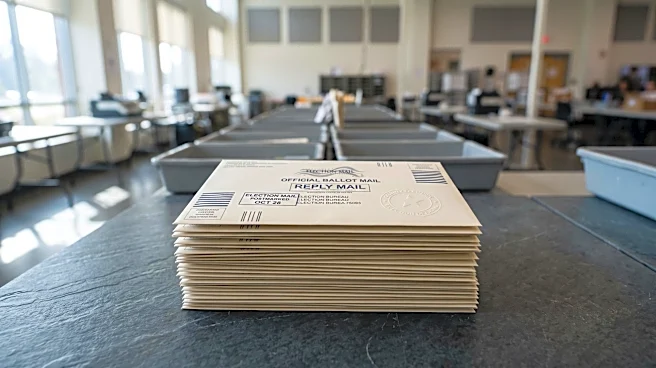
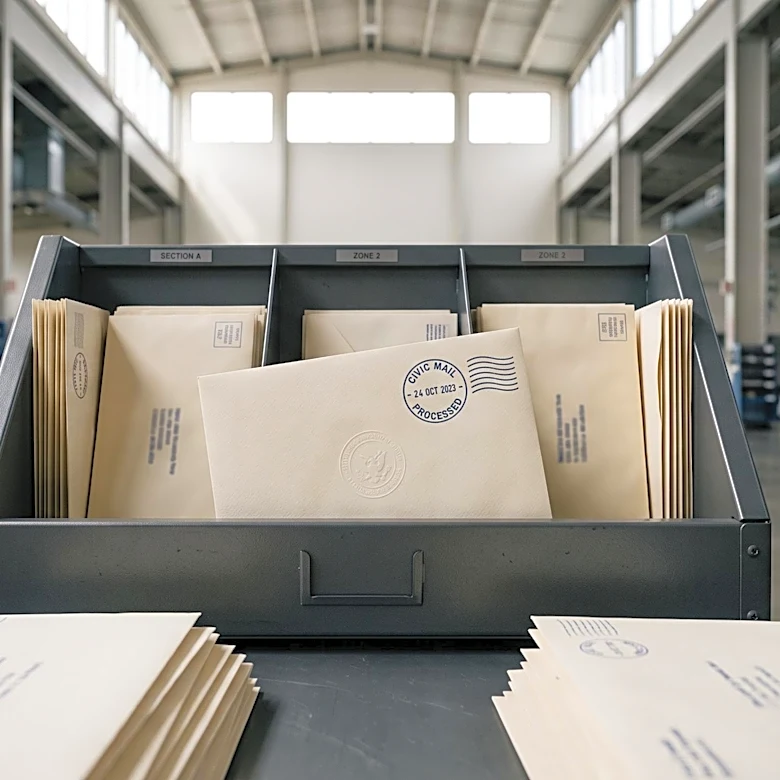
Yes, Maryland absolutely counts mail-in ballots that arrive after Election Day. There is, however, one critical condition: your ballot must be postmarked on or before Election Day itself. Think of the postmark as proof that you cast your vote on time, even if the U.S. Postal Service takes a few extra days to deliver it. If your ballot is postmarked by the deadline, it will be counted as long as it is received by election officials within a specific window. This practice ensures that voters who mail their ballots on Election Day are not disenfranchised due to postal delays. While ballots can also be returned in person to official drop boxes or polling places, those must be deposited by 8 p.m. on Election Day. The postmark rule applies specifically
to ballots sent through the mail.
From Postmark to Tally: The Deadlines That Matter
So, how long after Election Day does a ballot have to arrive? Under Maryland's rules, a properly postmarked mail-in ballot will be counted if it is received by the local board of elections by 10 a.m. on the 10th day following the election. This 10-day grace period is designed to accommodate any variability in mail service while still allowing for a timely and orderly vote count. It’s important for voters to understand that this is a receiving deadline for election officials, not a mailing deadline for citizens. To be safe, election officials consistently urge Marylanders to return their ballots as soon as possible rather than waiting until the last minute. Any registered voter in the state can request a mail-in ballot without needing to provide a reason, making it a popular and accessible option.
A Rule Forged in Legal Battles
While the rule about accepting late-arriving ballots is now settled, the process for when to count them has been a point of major contention. For years, Maryland law uniquely prohibited election officials from even opening mail-in ballot envelopes until the Wednesday after Election Day. When mail-in voting surged during the pandemic, this created enormous backlogs and significant delays in certifying election results. In 2022, the Maryland State Board of Elections filed an emergency petition to allow for earlier processing, or 'canvassing', of ballots to get a head start. This move was legally challenged by then-Republican gubernatorial candidate Dan Cox, who argued the courts had no authority to change the rules set by the legislature. The Maryland courts ultimately sided with the Board of Elections, and the U.S. Supreme Court later declined to hear the case, cementing the ability of election officials to begin processing mail-in ballots before Election Day to avoid delays.
The Supreme Court Affirms the Practice
The entire framework for accepting ballots after Election Day received a significant boost from the U.S. Supreme Court in June 2026. In a 5-4 decision concerning a similar law in another state, the Court ruled that federal law does not require mail-in ballots to be received by Election Day. The majority opinion clarified that as long as a ballot is cast and postmarked by the deadline, states are free to set their own rules for how long they have to arrive. The ruling was a major victory for voting rights advocates and affirmed the legality of the system used not only in Maryland but in more than a dozen other states. It effectively ended a line of legal challenges that sought to invalidate millions of votes based on mail delivery times, bringing a new level of certainty to the process for both voters and election administrators across the country.