



Where the Results Come From
First, it’s important to know there is no single, official, statewide system that reports Wisconsin's election results in real-time on election night. The process is highly decentralized. Elections are administered by clerks in each of Wisconsin's 1,850 municipalities. On election night, these municipal clerks are the first to tabulate votes. They then report their unofficial totals to their respective county clerk. The 72 county clerks then post these unofficial results on their own websites. Most of the numbers you see on TV or online come from news organizations like the Associated Press (AP), which has a long-established system of collecting these totals directly from each county clerk and aggregating them for public consumption.
The Timing of the Trickle-In
Wisconsin
polls close at 8 p.m. Central Time, but that doesn't mean a flood of results comes in at 8:01. Voters in line at 8 p.m. are still allowed to vote. After the last person has voted, poll workers begin the public process of closing the polls and counting ballots. Results from smaller, well-staffed municipalities might start appearing by 9 p.m. CT. However, there is no set schedule for updates. Municipal clerks are required to deliver their unofficial results to the county clerk within two hours of tabulation, and counties must post them online within two hours of receipt. This creates a staggered, rolling release of information that continues late into the night. It is common for final unofficial totals in close races not to be known until the early hours of the following morning.
The Absentee Ballot Factor
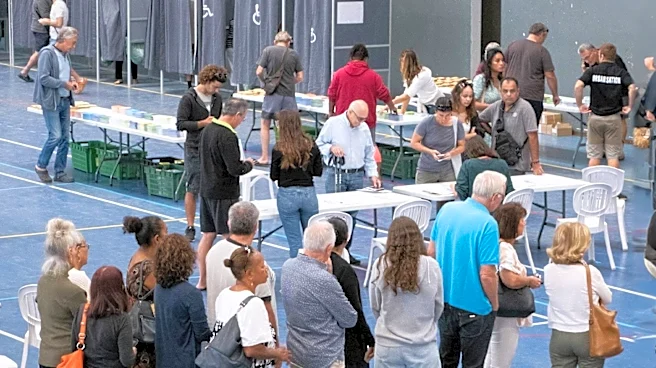
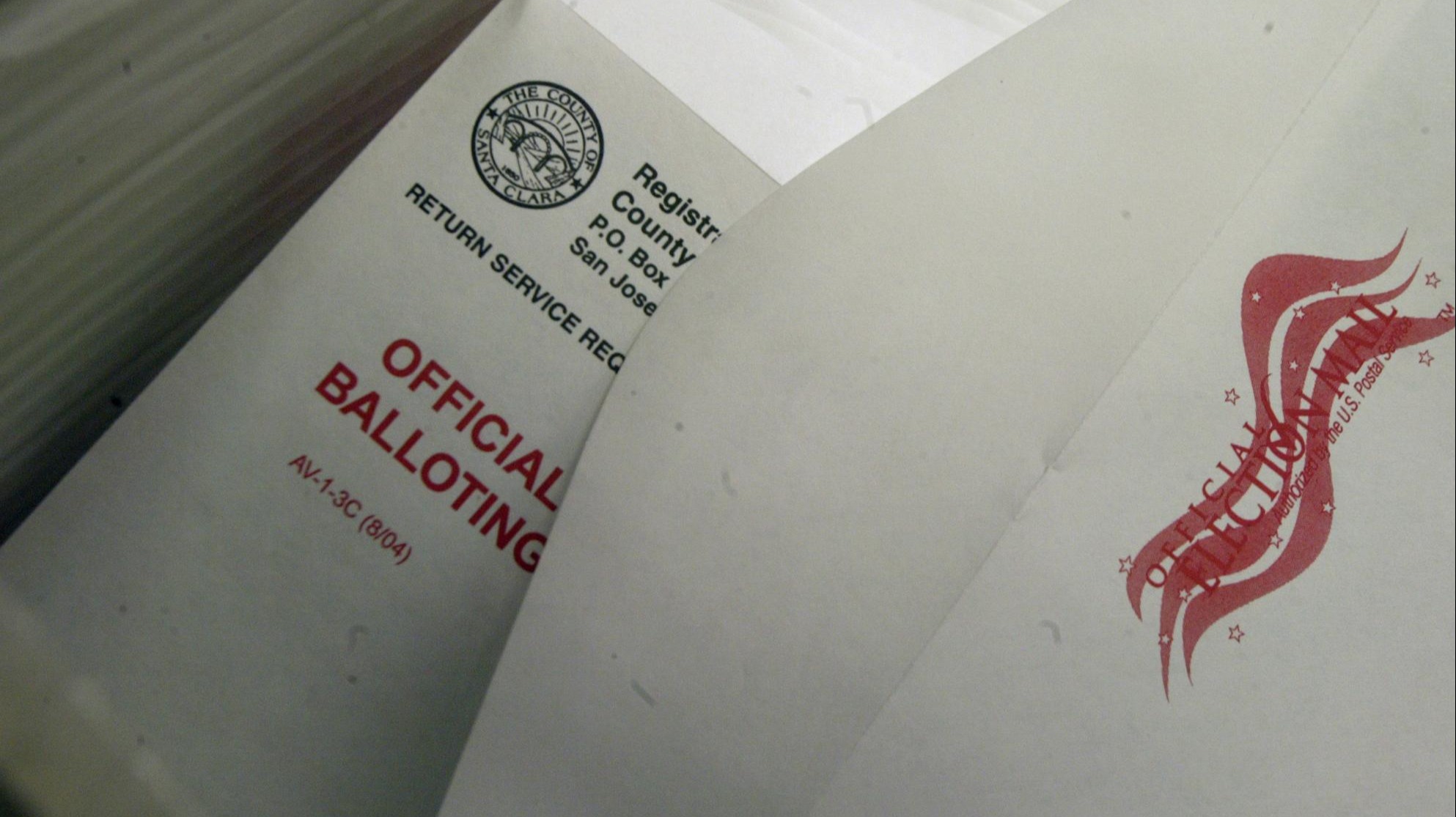
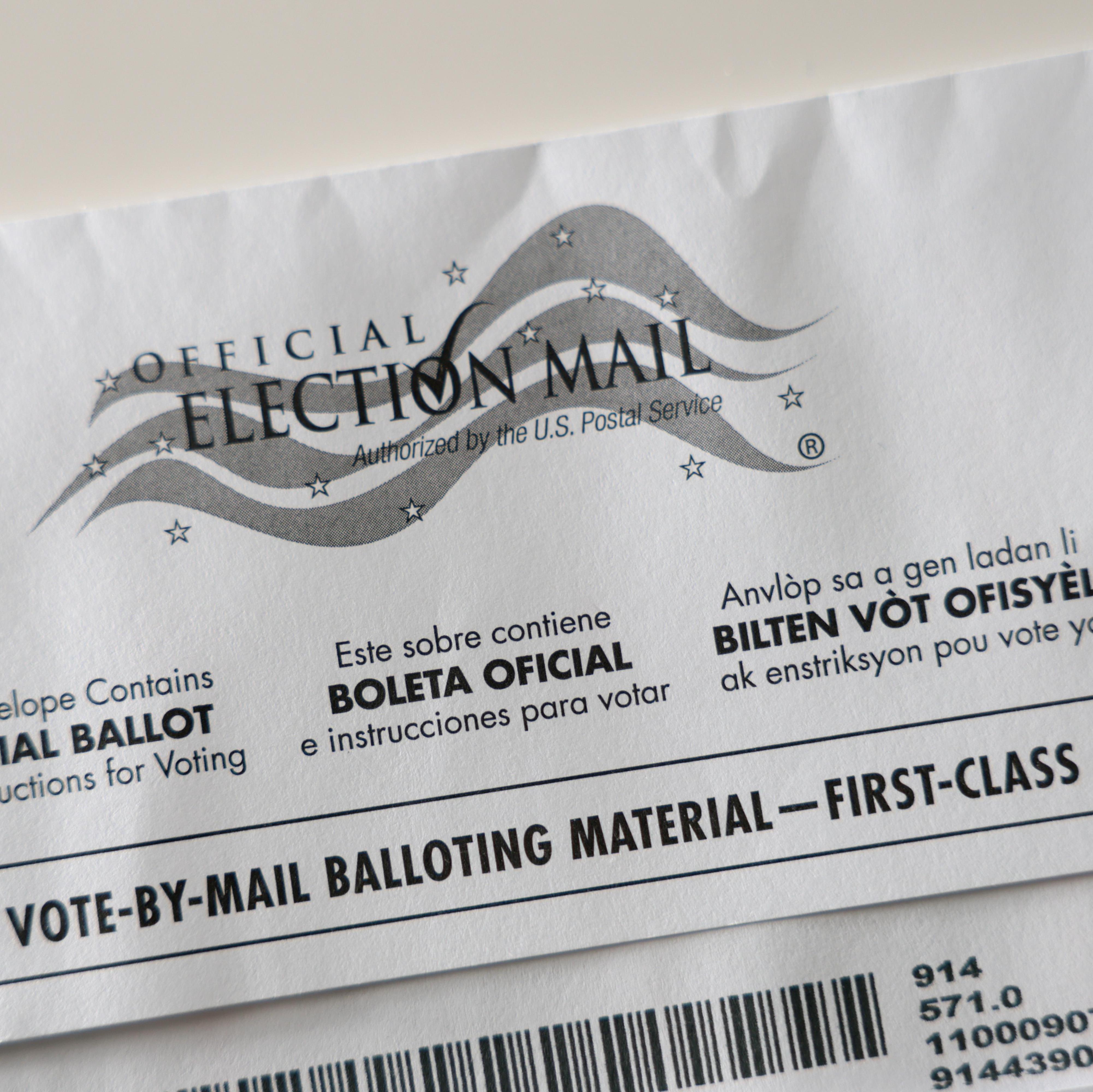
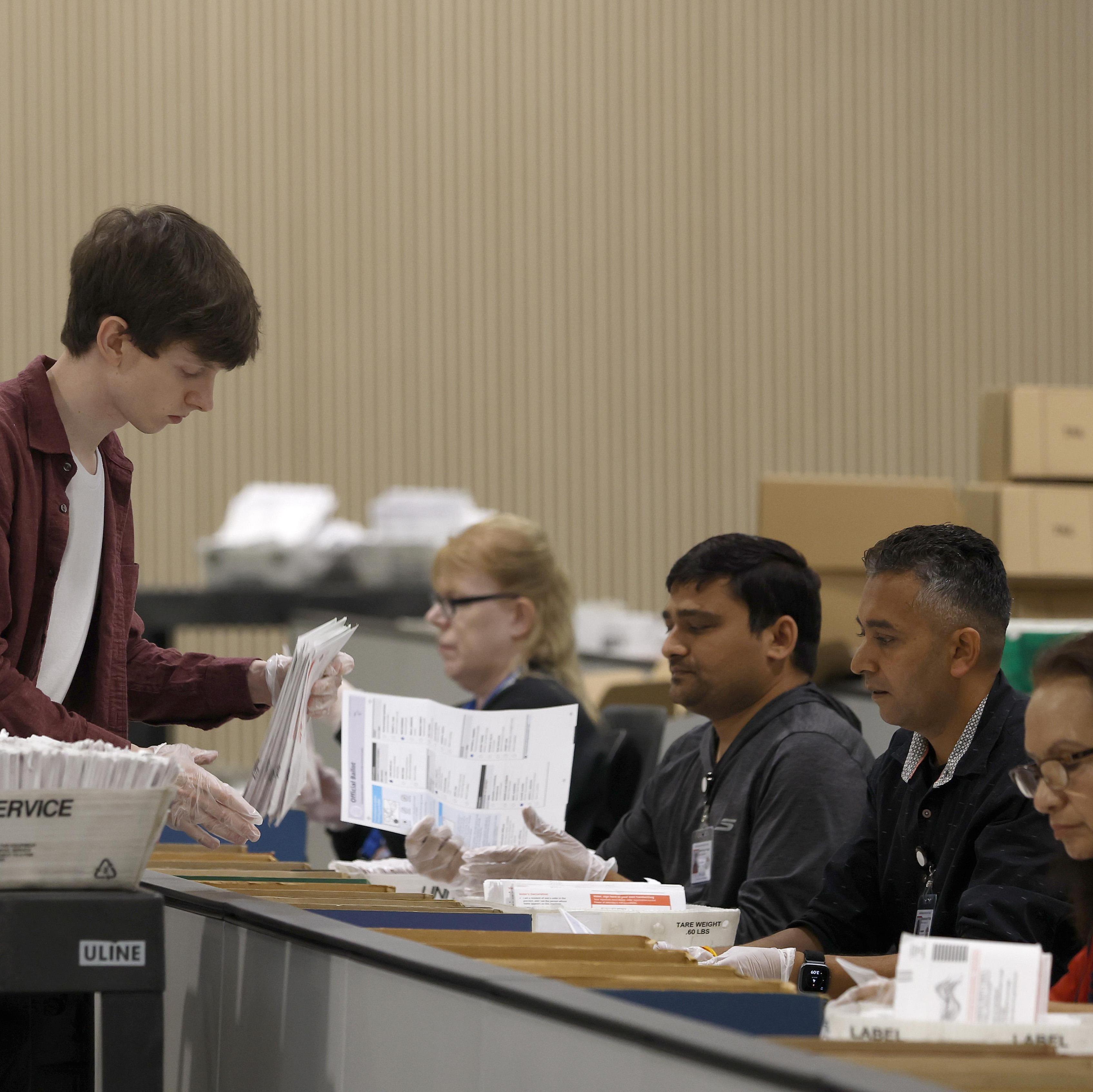
Understanding how absentee ballots are handled is the single most important key to interpreting Wisconsin's election night. State law prohibits election officials from processing or counting any absentee ballots before 7 a.m. on Election Day. Unlike states that get a head start, Wisconsin officials must do all the work—verifying signatures on envelopes, checking witness addresses, and then feeding ballots into tabulators—on election day itself. This is a labor-intensive process. Consequently, many jurisdictions, especially larger ones like Milwaukee and Madison, count their absentee ballots at a central facility and often report them in one large batch late at night. This can lead to dramatic, but entirely normal, shifts in vote totals as the night wears on.
What 'Calling a Race' Really Means
You will likely hear news organizations 'call' a race for a particular candidate long before 100% of the vote is counted. These projections are not official results. They are made by analysts who combine the votes already counted with demographic data and their knowledge of which areas have yet to report. While major outlets like the AP have a very high accuracy rate, it's crucial to remember the winner is not official until the results are certified by government officials weeks later. Election night totals are, and always have been, unofficial. The official process involves a series of checks, canvasses, and audits at the local and state level to ensure every valid vote is counted accurately before the final certification.