




The Short Answer: Yes, But By the Book
Nebraska law absolutely permits observers, often called 'poll watchers,' to be present during voting and the subsequent vote counting process. The system is built on the idea that transparency builds confidence in the electoral outcome. However, this access isn't a free-for-all. The state has specific, legally-defined procedures that dictate who can be a watcher, how they are appointed, and what they are allowed to do. These rules are designed to strike a crucial balance: ensuring a transparent process while simultaneously protecting voter privacy and preventing any form of intimidation or disruption that could compromise the election itself. Think of it as having a referee at a game—their job is to watch and ensure fair play, not to get on the field
and interfere with the players.
Who Gets to Be a Watcher?
Not just anyone can walk into a polling place and declare themselves an observer. Nebraska law, specifically statute § 32-961, outlines clear eligibility criteria. To be a poll watcher, an individual must generally be a registered voter in the state of Nebraska. They can be appointed by several different groups: a recognized political party, a non-affiliated (independent) candidate, a nonpartisan organization interested in the election process, or a group focused on a specific ballot question. Additionally, representatives from state-based, national, or international election monitoring organizations can also serve as observers. There is one key restriction: a candidate on the ballot, or their spouse, cannot serve as a poll watcher for that election. Organizations intending to appoint watchers must provide written notification to the county election commissioner or clerk ahead of the election.
The Ground Rules: What Watchers Can and Cannot Do
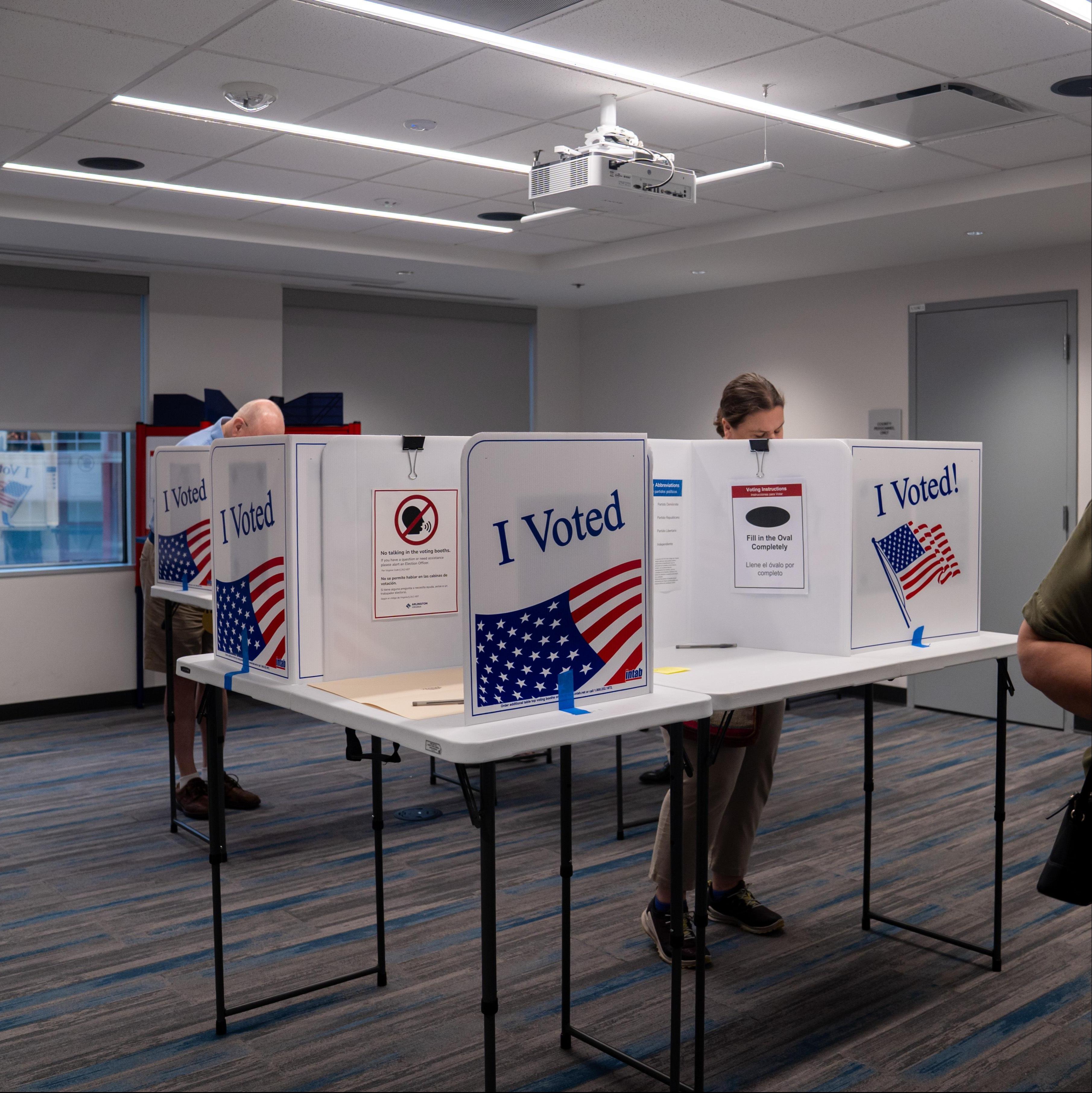
The role of a poll watcher is, as the name implies, to watch and observe. They can be present for all proceedings, from the opening of the polls to the testing of counting machines and the final tabulation of votes. Upon arrival, they must present their official credentials and sign a register. If a watcher believes they see an irregularity, their recourse is not to intervene directly. They cannot speak to election workers about the process, interact with voters, or interfere in any way. Instead, they are directed to present any protest or concern to the county election commissioner, county clerk, or the Nebraska Secretary of State for a ruling. The law also mandates physical distance; watchers must generally stay at least eight feet away from sign-in tables, voting booths, and ballots to prevent any appearance of interference or intimidation.
Observation at the Counting Center
Observation doesn't end when the polls close. Nebraska law also provides for watchers at the central counting locations where absentee and other ballots are tabulated. Each political party is entitled to have a watcher present at each counting location. Similar to polling places, these observers take an oath not to reveal results before they are officially released. The law is clear that watchers and other authorized observers cannot be excluded from the counting location. If physical space is an issue, the election commissioner must provide an unobstructed view through other means, such as closed-circuit television or a large window, ensuring they can 'plainly observe all actions taken during the counting of the ballots.' This ensures that the entire lifecycle of a ballot, from casting to counting, is subject to public oversight.