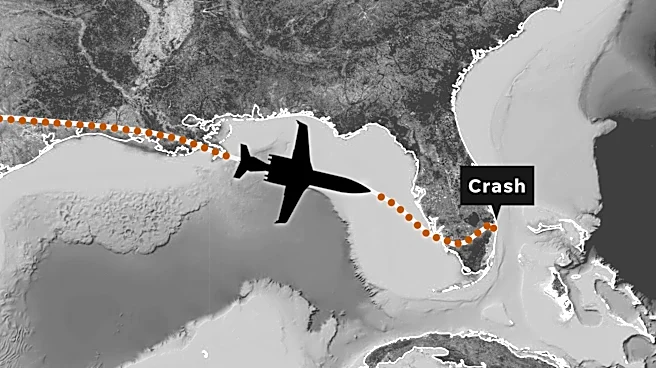







On the afternoon of Nov. 1, one of the pilots aboard a business jet flying over South Florida reported icing on the aircraft and "moderate turbulence." The plane was also encountering rainfall.
"We need to climb," one of the pilots told air traffic control. A few seconds later, a crew member issued an urgent mayday call as the plane plunged toward the Earth.
"We're descending 8,000 feet – mayday, mayday!" the crew member said, according to audio posted by LiveATC, a website that broadcasts air traffic control communications.
What occurred in those few seconds is among the central questions authorities are now working to answer as they investigate the deadly crash that killed nine people on board the jet en route to the Bahamas from Austin, Texas.
The crash, which occurred in Palm Beach County, Florida, is being investigated by the FAA and the National Transportation Safety Board. On Nov. 2, the NTSB said it's too soon to say how long the investigation will take or when it will release a report detailing the likely cause of the crash.
USA TODAY Network reporters spoke with aviation experts and meteorologists who reviewed air traffic control audio as well as videos and images of the crash. They pointed to a wide array of factors that may have contributed to the accident, including icing, turbulence and poor weather conditions. At the time of the incident, portions of Palm Beach County were under flood warnings and meteorologists reported high winds and low visibility.
A major focus for investigators will be what led the pilots to lose control of the plane before it smashed into the ground and erupted in a ball of fire. Several experts said the plane likely hurled toward the ground at terminal velocity, reaching up to 500 mph.
"There's some catastrophic thing that happened," Robert Joslin, a professor in the department of aerospace engineering at Embry-Riddle Aeronautical University, told USA TODAY. "And that's what investigators will try and figure out."
Investigators say weather conditions are 'major concern'
Ahead of the crash, the crew member noted an uptick in precipitation, as well as icing and turbulence.
At the time, a large storm system was dropping heavy rain over parts of Palm Beach County, triggering a rare flash flood warning.
One of the pilots soon asked to ascend in an attempt to find better flying conditions. An air traffic controller granted permission to climb to 37,000 feet. Less than a minute later, the crew member issued a mayday call and said the plane was falling at 20,000 feet per minute (about 227 mph).

"We're going to crash into the ground," the person said. About 35 seconds after the initial distress call, the last cockpit transmission was: "We're out of time."
At a news conference the day after the crash, NTSB member Thomas Chapman said investigators were working to determine if the storm contributed to the crash.
"The weather conditions are a major concern of the investigation," Chapman said.
When asked whether attempting to climb while encountering rain and turbulence was the right decision, Chapman told reporters it was one of several possible maneuvers the pilot could have taken.
Icing, turbulence and 'overspeed condition' to be probed
Aviation experts pointed to the icing and turbulence as possible factors that could have led the pilots to lose control of the plane.
"Icing can occur extremely quickly, leading to rapid changes in the aerodynamic behavior of the aircraft," said MyRadar Weather senior meteorologist Matthew Cappucci. Severe icing situations can hamper the ability to maneuver an aircraft.
Turbulence, meanwhile, can disrupt airflow into the engines and, in severe cases, cause structural damage, according to Joslin. He said it's possible an "external force" like a powerful draft may have pushed the plane's nose down toward the Earth.

No matter what caused the plane to begin falling, experts said it soon became impossible to stabilize.
"There was an extremely high rate of descent," Joslin said, highlighting one of the pilots' statement that the plane reached an "overspeed condition," which means the plane was traveling faster than its maximum operating speed. When this occurs, it can lead to a wide array of system failures and damages, Joslin said.
At the Nov. 2 news conference, Chapman said there's evidence the aircraft began breaking up before impact.
Plane fell out of the sky 'like a missile'
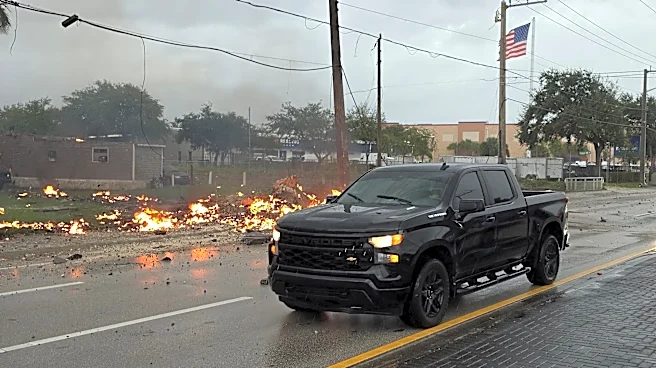
The plane was likely traveling at several hundred miles per hour when it smashed into a grassy area outside a mobile home community in Palm Beach County, experts said.
Joslin said the plane likely reached terminal velocity as it fell out of the sky at estimated speeds of 300 to 400 mph. Matthew “Whiz” Buckley, a retired U.S. Navy fighter pilot with 40 years of military and commercial flight experience, said he estimates the plane was traveling at about 500 mph when it hit the ground.
"It varies depending on the weight of the aircraft," Joslin said. "But that's the speeds you would end up with, especially after coming down from that high altitude."

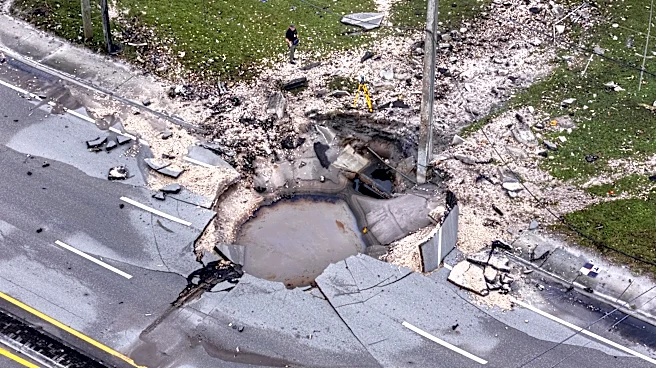
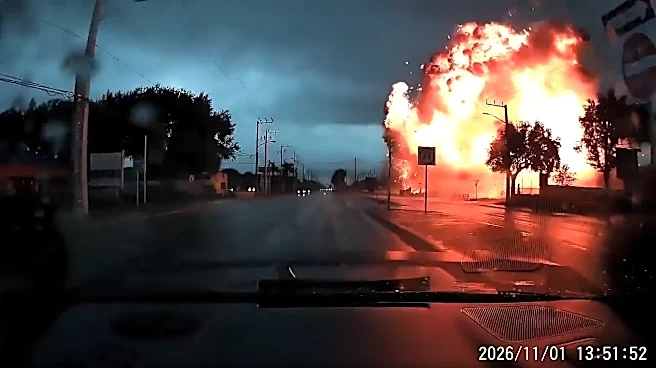
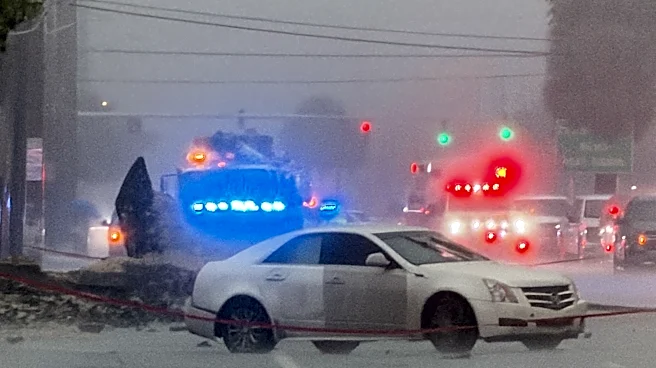
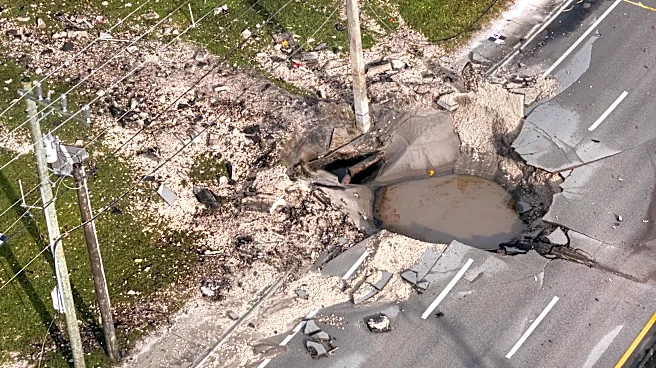
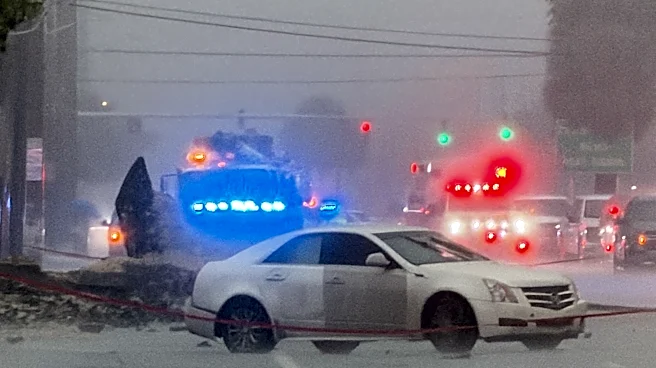
Videos show the plane nosedive into the ground and erupt into flames. The crash scattered debris across an area that is about half a mile by two-fifths of a mile, though there are conflicting reports about the size of the debris field, the NTSB said. The crash sparked multiple fires and forced around 600 people to evacuate their homes.
Florida Gov. Ron DeSantis compared the falling plane to a missile.
"It was a big-time tragedy that happened," DeSantis told reporters near the crash site in Lake Worth Beach. "When you see that video, it's a jarring thing. It was like a missile coming down, and a massive explosion, debris going everywhere."
Investigators hopeful they will recover black box recordings
Investigators are hoping to recover a black box from the flight that could contain voice recordings shedding light on the moments before the crash.
Despite the name, black box units are usually bright orange so searchers can find them in wreckage. Manufacturers build them to survive severe impact, fire and deep water.
“We’re very hopeful that we can recover it,” Chapman said.

Authorities said it was too early to say how long the investigation would take or how long a mobile home park near the crash site would remain closed.
Experts said investigators will pull maintenance records, survey the weather conditions, analyze videos of the crash and much more as part of their sweeping probe.
"There's still a lot of information to be gathered," Joslin said.
Contributing: Thao Nguyen, USA TODAY; Andrew Marram, Palm Beach Post; Reuters
Christopher Cann is a national correspondent for USA TODAY. Contact him by email at ccann@usatoday.com.
This article originally appeared on USA TODAY: Why did a jet crash in Florida? Early clues emerge