






California legislators approved a bill on Aug. 26 that could help reduce skyrocketing energy costs for residents by allowing them to install plug-in solar panels as an alternative, portable way to meet household energy needs.
The bill, Senate Bill 868, authored by Senator Scott Wiener (D-San Francisco), would establish safety standards for portable solar systems, also known as "balcony solar systems," which allow residents who may not be able to install a rooftop solar system to still take advantage of California's sunny climate.
With this system, residents can place a few small solar panels in their backyard or on their balcony to generate energy, then plug the system directly into their home’s standard 120‑volt outlet to prioritize drawing from
the solar panels rather than the electrical grid.
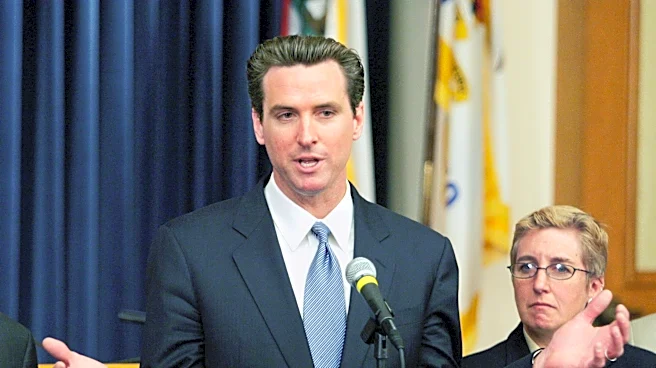
"This is a way that we can expand access to solar to a huge array of Californians who are not benefiting now, including renters, including people who own smaller, more modest homes," Wiener said when he introduced the bill to the California Senate Committee on Energy, Utilities and Communications, on March 17.
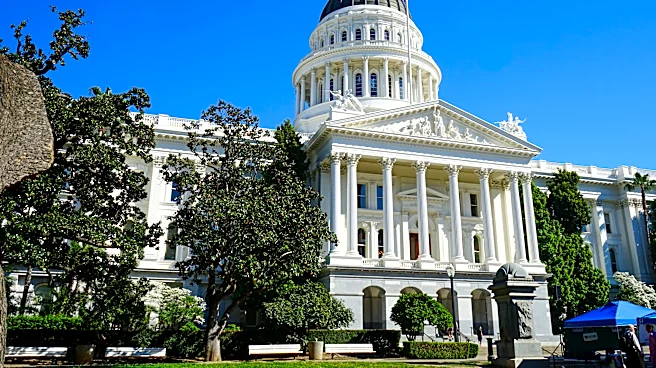
The bill is now heading to Gov. Gavin Newsom's desk, awaiting either his signature or a veto.
Although these portable solar systems are new to California, this emerging technology is being widely adopted in Europe; in Germany, over 1 million systems have been installed nationwide, according to the World Resources Institute.
This wide adoption is evident as it's become available at stores like IKEA, which offer affordable plug-in solar systems on their European websites, starting at about $570 as of August 2026.
Additionally, eight other states have already taken a leap of faith by approving plug-in solar legislation, with Utah becoming the first state to legalize the practice in 2025.
When it comes to energy costs, Californians experience some of the highest rates in the nation, stemming from state subsidies, infrastructure investments and companies increasing their rates over the last few years,
When Wiener introduced the bill, he noted that residents have been fighting the affordability crisis as rates continue to rise year over year. He specifically pointed attention to customers of companies like Pacific Gas and Electric Co., which have seen their electricity rates increase by "nearly 40% between 2022 and 2025."
Advocates for plug-in solar systems, such as Solar United Neighbors, argue that adopting this technology could help California residents save $400 to $800 annually.
"A typical plug-in system can cut your electricity bills by several hundred dollars per year. The average payback time for a system purchased today is about five years," the Solar United Neighbors website reads. "The cost for plug-in solar is forecast to drop from nearly $3/watt today to just under 60¢/watt within 2-3 years of enabling legislation in a critical mass of states."
Although the bill passed both the California Assembly and the Senate, organizations such as the California State Association of Electrical Workers expressed their disapproval of the new law and the technology as it made its way through the chambers.
The association was primarily concerned about the potential danger of allowing consumers to purchase and install plug-in solar systems without establishing installation, maintenance or inspection standards.
"This is a dangerous precedent, because adding additional current from a (Plug-In Photovoltaic) system that is not protected by an upstream panelboard branch circuit overcurrent protective device – rather than hard-wiring into a home’s main electrical panel – could overload conductors, increasing the risk of electric shock and fire," the CSAEW statement reads.
"It is a near certainty that, if PIPV solar generation is approved, an unsuspecting homeowner or renter will unknowingly create a hazardous situation, putting their home and/or loved ones at risk."
Although the bill does not require residents to hire a professional or seek approval from an "electric corporation or a local publicly owned electric utility" to install these plug-in systems, it does allow a company to require customers to notify and register their devices with the company.
Additionally, companies will not be allowed to pay any fees related to the device or to force residents to connect their devices to a building’s electrical system.
Noe Padilla is a Northern California Reporter for USA Today. Contact him at npadilla@usatodayco.com, follow him on X @1NoePadilla or on Bluesky @noepadilla.bsky.social. Sign up for the TODAY Californian newsletter or follow us on Facebook at TODAY Californian.
This article originally appeared on USA TODAY: California lawmakers pass plug-in solar bill, aimed at reducing costs