





Ever wondered what a doctor who specializes in obesity medicine eats?
Dr. Susan Wolver, director of the Virginia Commonwealth University Health Weight Loss Program, has been running her obesity center for 13 years − "way before we had fancy GLP-1 medications," she said − and often gets asked, "What is the best diet?"
Her response: "What a patient can stick to."
"The best diet is one that doesn't feel like a diet. If it feels like a diet, you're already doomed for failure," she said, adding it's all about making tweaks in what your preferences are, what your cultural traditions are and what your food sensitivities are.
For her personally, this means a diet lower in carbs.
"I don't do well with carbohydrates. I am definitely a sugar-aholic. There were
days before I started doing this for a living that I'd only eat sugar things all day long, and I felt terrible," she said. "But it's really hard to stop when you first start."
Her other food thoughts? "I don't fear fat," she said, explaining low- and no-fat diets were common in the 1980s, which often led to sugar being added in its place. "Did the health get better of our world? No, it got significantly, dramatically worse, where the rates of diabetes and obesity just skyrocketed."
Here's what her day of eating looks like.
What an obesity medicine specialist eats for every meal
- Breakfast. Plain, full-fat Greek yogurt, usually with protein powder added, flavored or unflavored – depending on preference that morning – topped with chia seeds, flaxseed and walnuts. "I really like the taste of a full-fat Greek yogurt. I think when people say plain yogurt, they're thinking more of a low fat, which is really bitter and tangy," she said. If she's looking for something different, she might opt instead for store-bought egg bites or eggs cooked at home with some vegetables like jalapeños, salsa or sliced avocado. Plus, she can't forget her coffee with heavy cream − a change-up from her past of coffee with artificial sweetener. "It took me about five years to have less and less of it," she said. "I don't like any sugar in my coffee now. It just really bothers me. It's interesting how your taste buds can change."
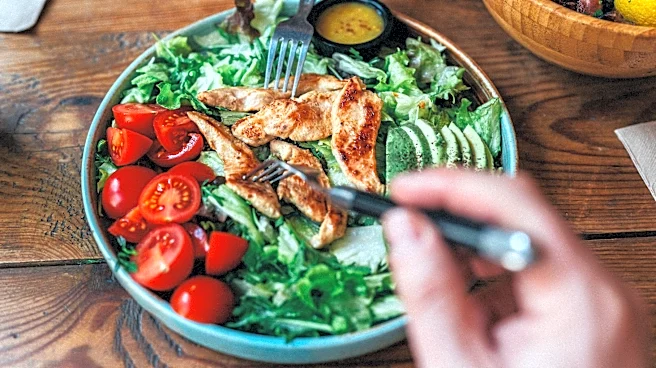
- Lunch. At the hospital, she opts for the cafeteria's salad bar with lettuce, "all the different salad fixings" and extra veg like brussels sprouts or cauliflower. To keep it protein forward, she also gets a scoop of chicken salad, tuna salad or both. She typically skips dressing unless she's making it at home. When at home, lunch is usually dinner leftovers.
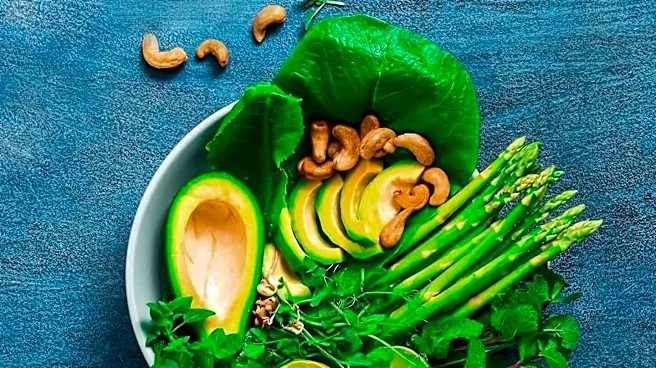
- Dinner. Wolver and her husband share dinner duties, which also lean low carb. "It's generally some protein and some vegetables on the side," she said. "I might have things like sweet potatoes, lots of vegetables − I love Brussels sprouts and asparagus and broccoli and cauliflower and artichokes." Sometimes she'll make homemade coleslaw with no sugar and homemade mayo. "I don't really love store-bought mayonnaise. I try and stay as unprocessed as possible," she said.
- Snack. Nuts, cheese or some yogurt if it wasn't for breakfast.
- Dessert: Cottage cheese with a drizzle of honey or mixed with chocolate protein powder makes a "really high protein, delicious dessert" that "really helps that after-dinner sweet tooth, and gets me a little bit more protein, especially if I'm low for the day," she explained. She'll also occasionally have dark chocolate. "Every once in a while, if I'm going to have sugar, it's going to be out of the house. Because if it comes in the house, then I have that food noise where it's always calling my name," she added.
'Be your own best detective'
When it comes to food choices, even if you think something is healthy, Wolver advises to "please turn that box around."
"You need to be your own best detective because they're trying to sell you a product, and most of the time, if it's in a box or a bag, it's not going to be the best product," she said.
And if what you're doing still isn't giving you the results you're hoping, either from a weight loss or health standpoint (like managing diabetes, high blood pressure, cholesterol or chronic pain), an obesity medicine specialist could be a great option, according to Wolver.
How a 'light bulb moment' changed her views on nutrition
While Wolver's background is as a primary care doctor in general internal medicine for nearly 40 years, she said she had a "light bulb moment" when she reached middle age and started gaining weight with the "exact same advice I had been giving my patients for decades."
"When I figured out my own way to change what I was doing, and I was successful, I started helping some of my patients," she explained, adding she was even able to get her diabetes patients off their insulin.
These successes made her turn her attention to obesity medicine full time.
For those struggling with their weight who come to see Wolver, "one of our biggest responsibilities is to make sure that they know this is not their fault," she said.
"They're not here because they've done something wrong... Obesity is not a disease of willpower, but a disease of biology," she explained.
This article originally appeared on USA TODAY: What an obesity medicine specialist eats in a day