



Zachary Mueller led a video call in mid-October for about 200 people seeking to learn how to monitor federal activity near polling places and mobilize if the Trump administration disputes the midterm election results.
Mueller is a senior strategist at States at the Core, one of dozens of nonpartisan and partisan groups organizing tens of thousands of grassroots activists to monitor the polls until Election Day. They are also preparing in case the Trump administration dispatches immigration officers or other federal officials to election sites.
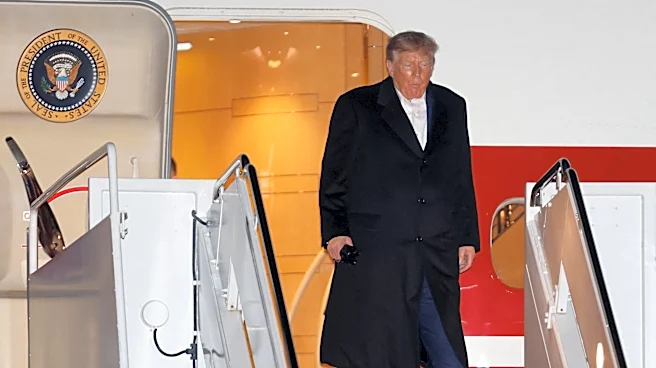
The training comes as President Donald Trump and his administration are threatening state and local election officials with criminal charges if noncitizens vote. Meanwhile, federal immigration authorities
are carrying out mass arrests that have swept up U.S. citizens.
"We are in this absurd timeline in which we've got to be here on a Wednesday night in October, thinking about how we are going to protect the basic backstop of American democracy," said Mueller, who added "our widely safe and effective and consistent election process" is being "undermined by people in positions of power."
White House spokeswoman Lauren Bis said Trump "has done more than any other President to ensure we have free and fair elections."
"While extreme Democrats and the media continue to dismiss concerns about voter fraud, the Trump administration is taking decisive action to protect our elections, including prosecuting election crimes, strengthening election infrastructure security, and protecting vulnerable voters from fraud and coercion. President Trump is making clear that anyone who illegally votes in our elections will be held accountable," Bis said.
The outcome of the elections will determine how much power Trump can wield during his final two years in office, how many of his priorities he can enact, and whether Congress investigates his administration's actions and tightens the purse strings. The Trump administration has not shut the door on having immigration officers or federal officials near or in polling locations on election nights.
States at the Core, which began teaching people how to document immigration enforcement activity about 18 months ago, expanded its trainings in May to include how communities can respond if federal officials appear at polling places or challenge election results. More than 50,000 people have completed the Immigration and Customs Enforcement or election trainings, Mueller said.
"They're telling us what they are going to do, and what they're going to do is challenge the election results," he told USA TODAY.
'Make sure that people's voices are heard'
The training urged community-level organizers to plan how they will respond Nov. 4 through Nov. 8, if local, state or federal officials challenge election results. In some places, that could mean protesting in the streets, presenters said, or holding news conferences to defend local counts and election officials.
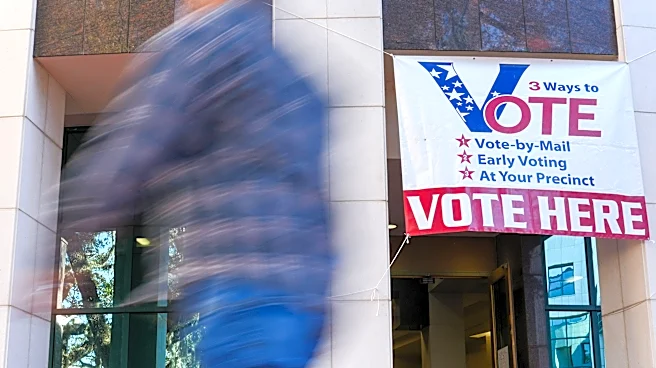
To help ensure all voters cast a ballot and have it counted, the nonpartisan Election Protection Coalition and other groups have ramped up their efforts, said Andrew Walchuk, policy director and counsel for Common Cause. The coalition, which includes Common Cause, State Voices, and the NAACP has organized thousands of trainings in 40 states for "poll guardians," as well as a nationwide hotline staffed with volunteers and legal staff.
It is still accepting volunteer poll watchers, Walchuk said.
"There is a huge community of folks ... who are fighting back and are pushing back to make sure that people's voices are heard," Walchuk said.
Local groups will likely focus on jurisdictions with past election issues and communities targeted by the administration, Walchuk said. Afterward, volunteers will stay on to watch ballot counting and local election certification, in case either is contested.
"We have faith in the people who are part of our communities and spend all year preparing to run effective elections. So, we want to have their backs. We want to be able to say, 'No, they were following the law,'" he said.
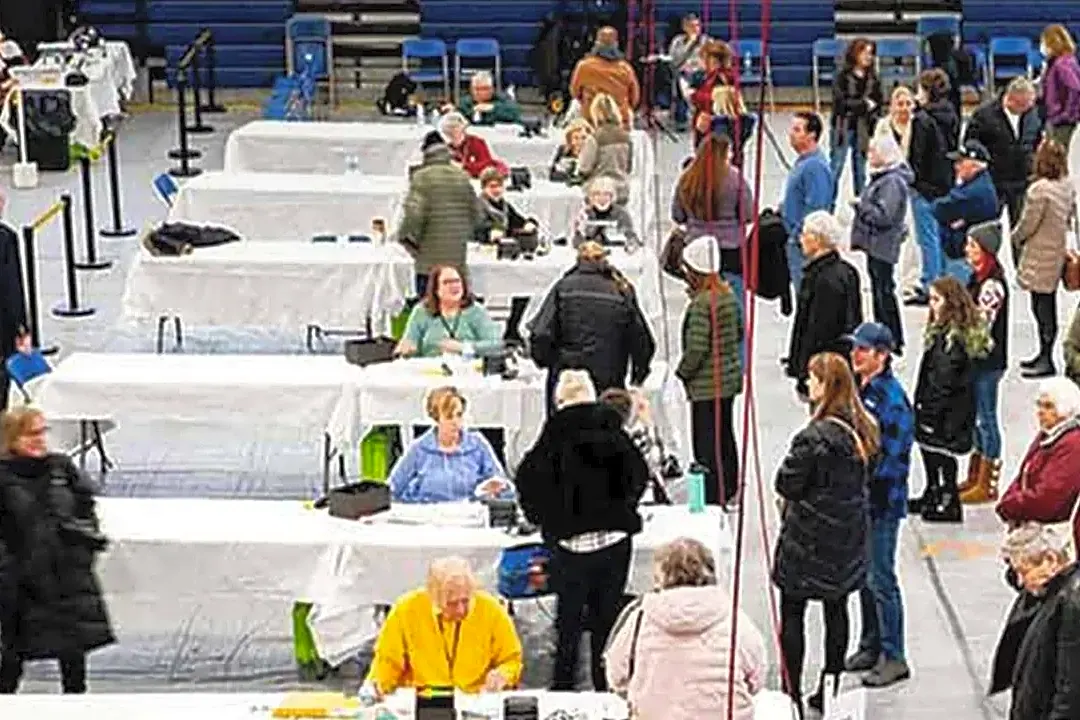
In many places, the organizers will be alongside official observers sent by political parties, the Department of Justice and Congress.
Last month, Harmeet Dhillon, the head of the Justice Department's Civil Rights Division, said her agency would send 1,000 observers nationwide, calling it DOJ's largest election-monitoring effort.
A record number of bipartisan congressional staff will also be present in up to 45 closely contested races, Rep. Joe Morelle, the top Democrat on the House Administration Committee, said.
"We want contemporaneous notes should there be a challenge or a contest for anyone," he said.

Grassroots organizing
Lili Baiman of Ohio Buen Vecino Network said her group has trained 2,500 people in recent months to document federal activity near polling places and to report it to hotlines or election officials. About 1,200 will serve as observers in Ohio's major cities. Others are focused on coordinating rides to the polls and childcare while people vote.
Baiman, a naturalized citizen, said the observers want to be an "extra layer of support" for anyone worried they might get picked up while voting legally.
"It is very challenging for someone like me to show up to a polling location. Even though I am a citizen, even though I've voted in all of these elections, I still am walking around on a day-to-day basis being like, 'I can still be detained,'" she said.
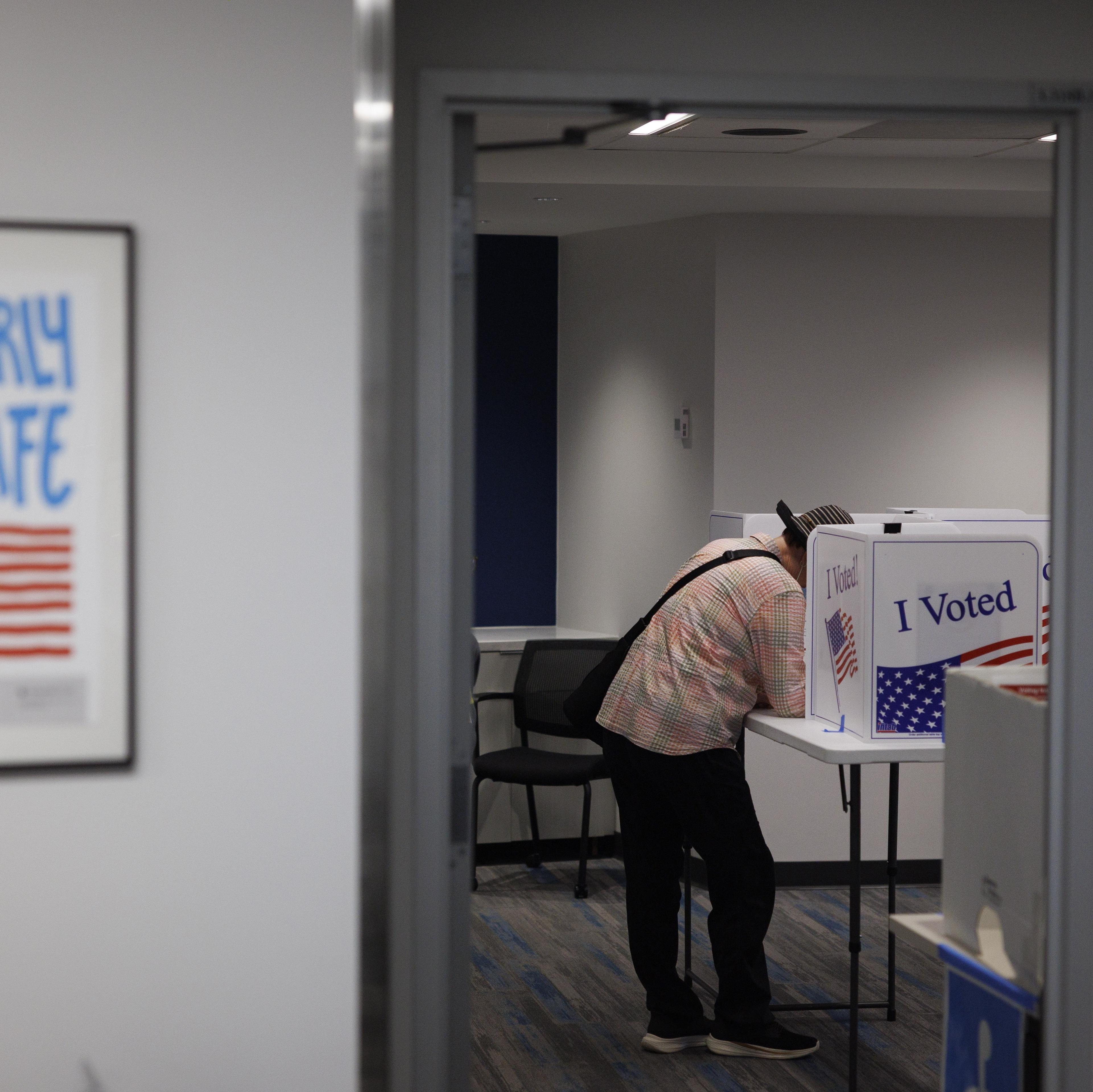
In Davidson County, Tennessee, poll observers are already stationed at 15 high-traffic early voting locations and will be at all 178 precincts on Election Day, said Jennifer Brinkman with Nashville Indivisible. Brinkman said volunteers are trained on election law and will document or report any activity they believe could intimidate voters.
"The goal is to make sure that every eligible voter that wants to vote is able to vote very safely without intimidation," she said. "We'll either have a big day of celebration, which is what I'm hoping for...or if there are some kind of weird shenanigans going on, I think we'll be prepared for that also."
Poll guardians
State Voices has seen an increase in people who want to be involved, said the organization's president, Alexis Anderson-Reed. More than 10,000 calls have already come into her group'svoter hotline.
"There's a palpable feeling that, no, we are responsible individually and collectively for our democracy," said Anderson-Reed, whose nonpartisan group advocates for democracy.
Local organizers in Nevada have trained observers in all 177 counties. In Michigan, they will be at 300 polling locations, while more than 1,000 trained volunteers will be at the polls in North Carolina. Some states will also have roving poll watchers at ballot drop boxes as well.
Like States at the Core, State Voices is preparing for potential post-election challenges. The Election Sabotage Response Network has lawyers on standby, while staff and volunteers expect to stay engaged through certification and congressional review of the results in January.
Trump's challenge to the 2020 election results changed how election protection groups operate, said Anderson-Reed.
"Things really have shifted post-2020 in the way we have to staff elections, the way we have to think about elections, the way that we have to ensure that we're moving through the process of the certification," she said.
This article originally appeared on USA TODAY: Volunteers training to monitor polls in case of federal intervention