



At least two people have died of measles in Pennsylvania, the state’s health department said, adding that both were unvaccinated.
The measles deaths were the first in Pennsylvania in 35 years, the state Department of Health said in a news release Aug. 25, and the first such deaths in the United States this year, according to Centers for Disease Control and Prevention data.
“Because measles was largely eliminated in the Commonwealth for more than three decades, people are not familiar with this disease and don’t fully understand the potential severity of the illness,” Pennsylvania Secretary of Health Dr. Debra Bogen said in a statement. “As a physician, I want to make sure that people understand that the MMR vaccine is safe and provides the best
protection we have against measles.”
Both patients lived in Lancaster County, the health department said, adding that it would not identify them to protect their and their families' privacy.
Authorities have confirmed 393 cases of measles in Pennsylvania in 2026, according to the news release.
What is measles, and how do you get it?
Measles is a highly contagious virus that can cause severe short- and long-term health problems, including pneumonia and brain swelling. Nearly 20% of people who contract measles end up in the hospital. Though measles-related deaths are rare, they are not uncommon, occurring in 1 to 3 patients per 1,000 cases, according to Pennsylvania health authorities.
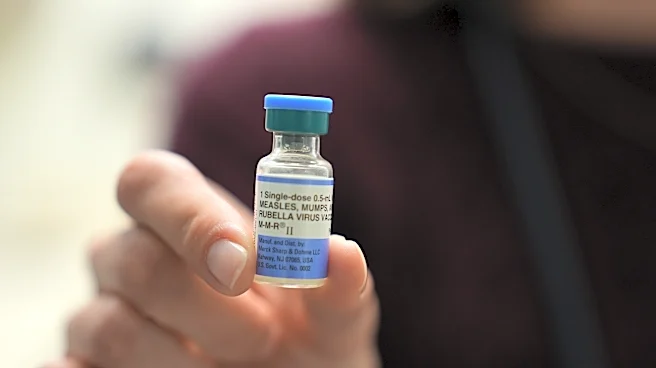
"The best protection against measles is getting fully vaccinated," the state health department said. "The MMR vaccine, administered over two doses, boosts a person’s immune system and provides 97% lifetime protection."
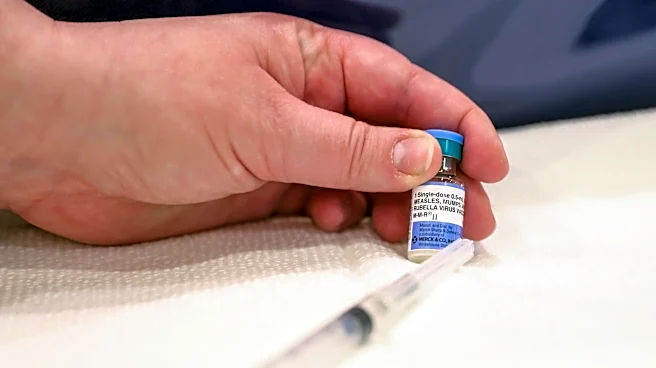
The measles, mumps and rubella vaccine is usually given in two doses around ages 1 to 5. The CDC also notes that adults and teens should also be up to date on MMR vaccinations.

Is the MMR vaccine safe?
Medical experts have long said the MMR vaccine is safe and effective. For decades, the vaccine has been administered to millions of children, helping prevent severe and life-threatening complications of measles, mumps and rubella. Serious side effects of the vaccine, including seizures, are rare.
The vaccine has been available in its current form since 1971, marking more than 50 years of safe and effective use. It also has been instrumental in curtailing the spread of measles, which, before the vaccine's introduction in 1963, sickened an estimated 3 million to 4 million people in the United States every year and causing 500 deaths and 48,000 hospitalizations.
Measles cases reach record high
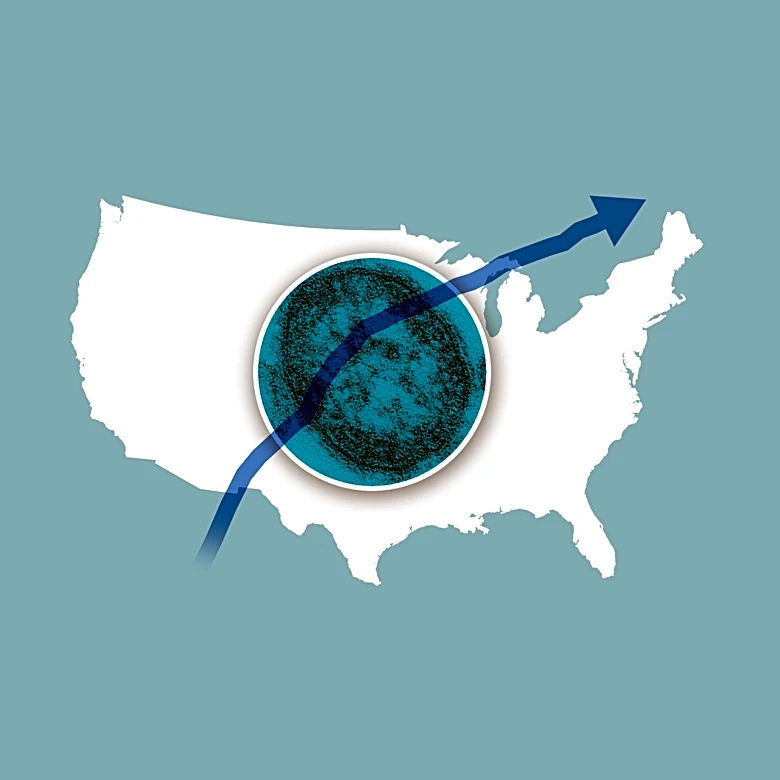
Measles cases in the United States have surpassed last year's total and are at their highest since the disease was eliminated from the country nearly three decades ago, according to CDC data. The majority, 93%, occurred in unvaccinated people, and nearly 69% of cases were in people ages 19 and younger.
Cases reached a 30-year high in 2025, with 2,289 confirmed infections across 43 states and the District of Columbia. Nearly 90% of cases were directly linked to 48 known outbreaks, and 93% of infections were contracted by unvaccinated people or those whose vaccination status was unknown. Three people, including two children, died as a result of the outbreaks, the first pediatric measles deaths in a decade.
Dr. Mehmet Oz contradicts Trump's claims on vaccine
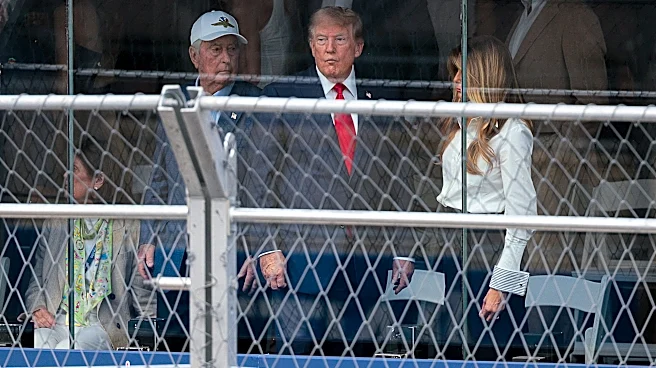
President Donald Trump, meanwhile, signed an executive order Aug. 10 calling for more vaccine “flexibility,” fewer childhood vaccinations and splitting the combined childhood measles, mumps and rubella vaccine into three shots at different times. The order also says all childhood vaccines should be spaced out, with each one administered in a separate doctor's visit "to the maximum extent feasible."
Announcing the order, Trump said the MMR vaccine could be “quite lethal.” Experts, however, say the vaccine is safe and effective, and research indicates dividing it into multiple shots has no health benefit.
Dr. Mehmet Oz, head of the Centers for Medicare and Medicaid Services, contradicted Trump’s statement about the MMR shot in an interview Aug. 23 on CBS’ "Face the Nation," saying it is “not a lethal vaccine.”
Contributing: Zac Anderson and Mary Walrath-Holdridge
Saman Shafiq is a trending news reporter for USA TODAY. Reach her at sshafiq@usatodayco.com and follow her on X and Instagram @saman_shafiq7.
This article originally appeared on USA TODAY: Two dead in Pennsylvania measles outbreak, first in US in 2026