





A tiger getting a CT scan seems like something out of an odd dream, or maybe a "Madagascar" movie, but that's actually just one job at the Denver Zoo Conservation Alliance.
And no, not every zoo is like this.
The Denver Zoo is one of the most comprehensive veterinary hospitals in the world accredited by the Association of Zoos and Aquariums. The zoo has a primary care clinic for the animals, which includes preventative measures like medicine and vaccines, and it also is an emergency clinic and a referral facility that can provide care like radiology and oncology.
For Jimmy Johnson, the Denver Zoo's head veterinarian, no two days are the same.
Johnson is the senior director of wildlife health and conservation, meaning he works with a team that does
just about everything from CT scans on an elephant to surgery on a tiger. With a the team of four clinical veterinarians, a veterinary pathologist, a director of veterinary operations and five registered veterinary technicians, there's a lot to do each day.
Their day starts out with morning rounds, where they go through appointments and procedures for about 3,000 animals at the Denver Zoo. Then, Johnson said the vets perform anesthetized procedures, which includes one of the zoo's biggest feature: diagnostic imaging.
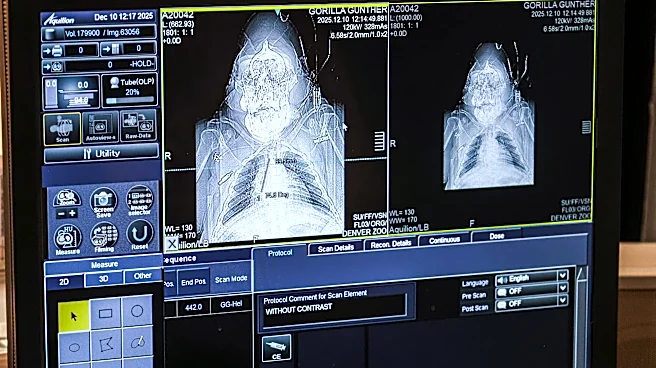
Picture it like any trip to the hospital, but instead of a patient, it's CT or CAT scans, X-rays, ultrasounds and endoscopies performed on tigers and bears.
The animals usually get preventative treatment, which includes a physical exam and CT scan. Johnson said most of the time, they can put the animals under anesthesia and transport them in a van. The animals are put on a table - which has a weight limit of about 700 pounds - to make sure they all look good. It's a fairly standard exam, that is, until they need to perform it on a bigger animal.
Animals like an elephant, rhino or a giraffe, can't fit in a CT scanner, or even a van, so vets bring the check up to them. While most of the animals are anesthetized, Johnson said they actually don't need to anesthetize bigger animals because they've built strong relationships with them.
"All of our elephants are trained to put their foot up for the X-ray, on the x-ray plate, and then we can shoot an X-ray beam through their foot to generate an image," Johnson said.
While the bigger animals are trained for the exam, Johnson said it's still a challenge. Even with the best medical imaging technology, Johnson said it still can't penetrate through bigger animals all the way. The team can collect blood work, perform ultrasounds and look for clinical signs, but they still have to piece together what's wrong sometimes.
When it comes to diagnosing an animal in general, Johnson said it usually starts by the wildlife care team monitoring their behavior and noticing when something is off. A vet will then come down and make a plan for diagnosing the animal. If needed, the animals will come into the clinic for more testing.
Whether it's diagnosing an animal or giving them a CT scan, Johnson's job is hardly boring.
"That's what drew me to this specialty is because no two days are the same," said Johnson.
This article originally appeared on USA TODAY: CT scans on tigers? Zoo animals' doctor's visits look a bit different