

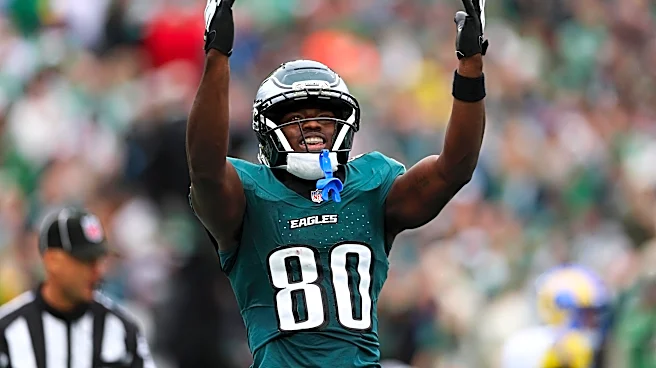
It's no surprise to see the Philadelphia Eagles get out in front of the NFL trade deadline action.
Howie Roseman has established himself as one of the most proactive general managers when it comes to engineering swaps. Typically, however, he has focused on acquiring proven veterans rather than sending them off.
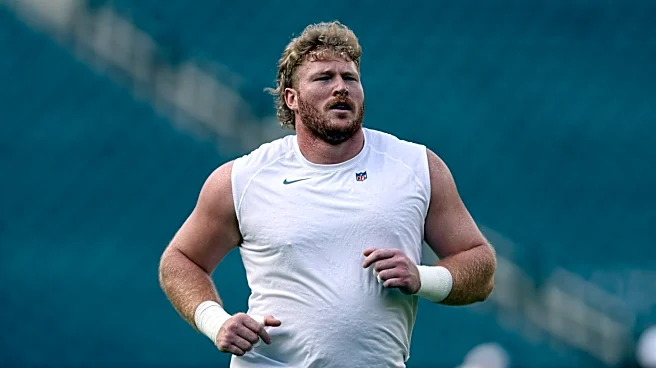
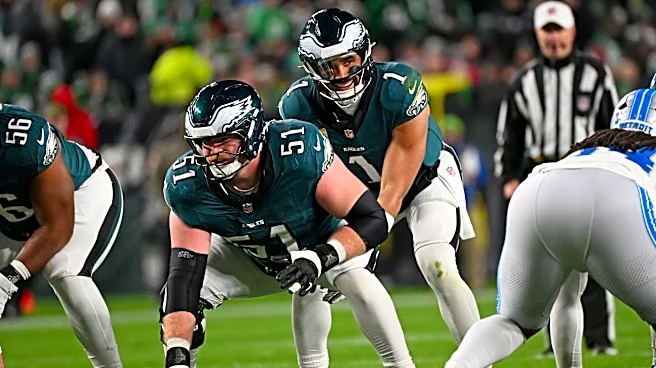
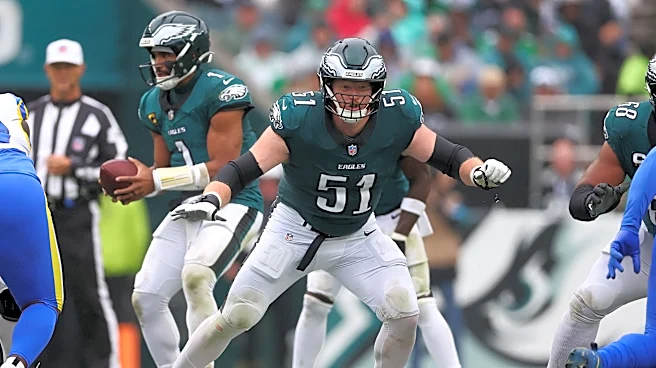
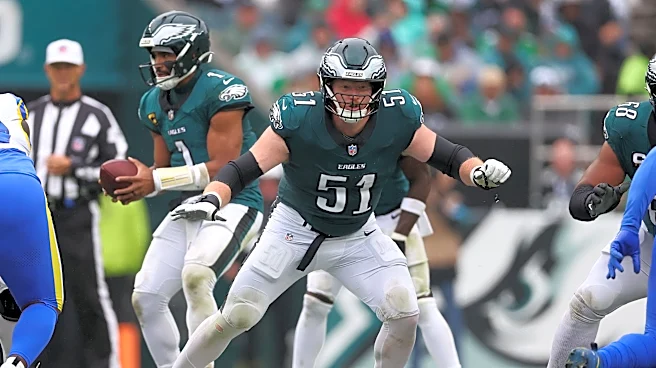
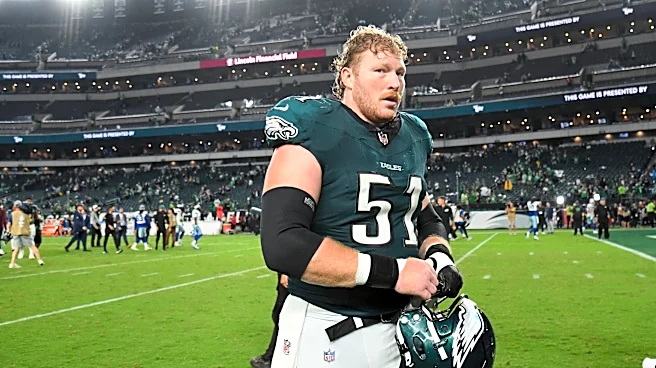
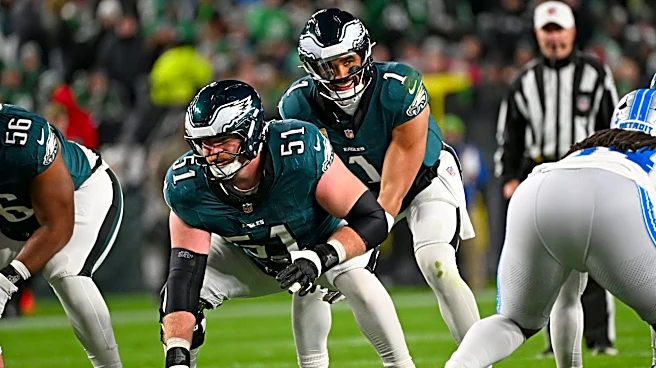
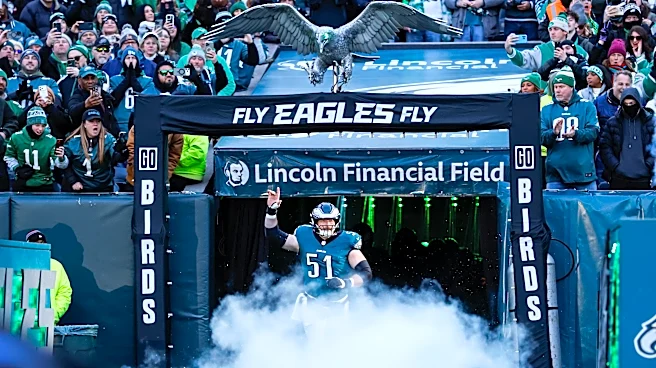
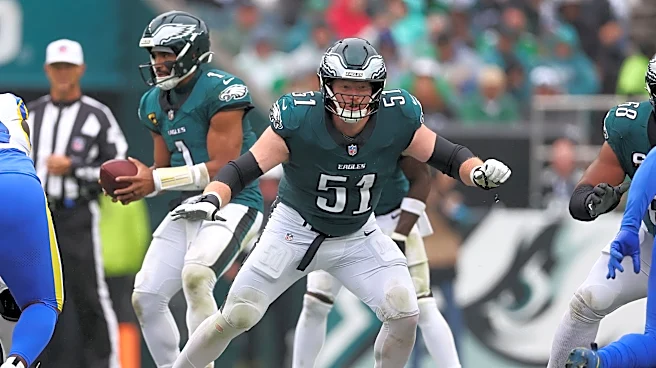
But on Wednesday, Oct. 7, the Eagles traded two-time Pro Bowl center Cam Jurgens and a 2027 seventh-round pick to the Baltimore Ravens in exchange for a 2027 fifth-round pick and a 2028 second-round pick.
More than a month away from the trade deadline, the move served as a recalibration of sorts for both teams and their offensive lines. For the Ravens, it addressed perhaps the most glaring problem facing an otherwise promising unit. The
Eagles, meanwhile, continue to look toward the near future as problems compound at the line of scrimmage for their languishing attack.
But who came out ahead in the deal? Here's how USA TODAY Sports graded the move for each team:
Ravens trade grade: C+
Some kind of move to address the interior seemed inevitable for Baltimore, which shifted to first-round rookie Vega Ioane to the pivot last week after long-term injuries to Danny Pinter, Jovaughn Gwyn and Ethan Pocic.
Still, the investment here is more sizable than many might have expected.
After allowing three-time Pro Bowl center Tyler Linderbaum to depart in free agency, Eric DeCosta circled back to the position with another big-ticket option. Yet the deal Baltimore is taking on is a far cry from the market-setting contract that Linderbaum inked, which carries an average annual value that exceeds Jurgens' rate by nearly $10 million per year.
Turns out that the Ravens are willing to be near the top of the center market, but not stratospherically higher than the competition.
Still, when considering the pay and draft capital involved, this is a fairly weighty move. And despite his Pro Bowl selection last year, Jurgens has yet to display his stellar early-career form after undergoing surgery in February 2025 to alleviate back pain.
But maybe a change of scenery and scheme will serve him well. Jurgens admirably filled in at left guard when the Eagles lost Landon Dickerson, but Sunday's loss to the Los Angeles Rams, in which he was credited with allowing five pressures, showed the folly of that arrangement. A fluid mover when healthy, Jurgens could thrive under offensive coordinator Declan Doyle and offensive line coach Dwanye Ledford, whose philosophies align well with the blocker's strengths.
Most importantly, his presence lets Baltimore keep Ioane at guard and stop playing whack-a-mole with interior issues.
Jurgens' deal allows for some flexibility, with no guaranteed money beyond 2027. Still, this is a rather high-risk, high-reward choice for a franchise that probably had some less volatile - albeit less promising - options.
Eagles trade grade: B
Speaking in the aftermath of six-time Pro Bowler Lane Johnson's surprising retirement announcement Tuesday, left tackle Jordan Mailata could feel the gravity of the change afoot for Philadelphia's front.
"Lane was the last of the old guard, and now he's gone," Mailata said on Sportsradio WIP on Tuesday. " ... To know that Lane was the last one and now it feels like that's gone, that's just a sad thing to think about."
Just one day later, Mailata's surroundings might look even less familiar.
With Jurgens gone, Mailata and Dickerson - who remains on injured reserve - are the only holdovers from the starting offensive line that paved the way for a title in Super Bowl 59. Now, Philadelphia is counting on the likes of third-round rookie Markel Bell at right tackle, 2025 fifth-round pick Drew Kendall at center and second-year undrafted free agent Willie Lampkin at left guard. And famed line coach Jeff Stoutland is no longer around to smooth out any rough patches for the front.
So, does Wednesday's trade mean Roseman is waving the white flag and preparing to sell off pieces?
Not necessarily.
Roseman insisted the move materializing was driven by the Ravens' desire to hand over significant assets rather than any desire by the Eagles to move on from Jurgens. While expressing his faith in Kendall, Roseman noted the flexibility the added draft capital would afford the franchise.
"You can't discount opportunities that you think give you a chance to compete at a high level for a long period of time," Roseman told reporters.
With Philadelphia now holding additional first- and second-round picks in 2028, Roseman has certainly afforded himself some leeway for a larger reboot down the road. Given how unsettled Jurgens seemed in the lineup since his surgery and ensuing extension, this was a reasonable exit ramp.
For now, however, the message for the Eagles might simply be that this group - from the coaching staff to the players - needs to save itself rather than depend on any outside help. Jurgens probably wasn't going to save a group that has allowed the third-highest pressure rate of any team so far this season, according to Next Gen Stats. And first-year offensive coordinator Sean Mannion has seen his new scheme beset by many of the same problems that have plagued Jalen Hurts and Co. in recent years.
With the Eagles' offense in a tailspin amid mounting injuries, coach Nick Sirianni has repeatedly emphasized a "next man up" philosophy. Now it's time to actually embody it.
This article originally appeared on USA TODAY: Are the Eagles now sellers? Grading Cam Jurgens trade with Ravens