






Investigators are focused on fresh produce as the potential cause of a spike in cyclospora infections in parts of the U.S., but what about swimming pools, splash pads and water parks?
The short answer is that it's possible to contract various different microscopic, diarrhea-causing parasites from water activities, including pools and splash pads, but cyclospora isn't one of the commonly detected ones. The most common is cryptosporidium, known as "crypto". Investigations into elevated cyclosporiasis cases in parts of the U.S. are focused on produce, not recreational swimming.
"Cyclosporiasis is not typically associated with recreational swimming exposures," Dr. Nick Staab, chief medical officer for the Maricopa County Department of Public Health
in Arizona, wrote in an email. "Oftentimes, Cryptosporidiosis and cyclosporiasis are confused, and I have seen multiple stories seeming to confuse the two."
Crypto is most often associated with pool exposures, and cyclo is most often due to contaminated produce, he wrote.
Brutal intestinal illnesses caused by the microscopic Cyclospora cayetanensis parasite have reached historic high levels in parts of the U.S., giving rise to a slew of advice from public health officials about how to avoid getting sick and multiple reports of ways that infections can happen, primarily from contaminated food and water.

While the public health advice is centered on fresh produce, the parasite is able to live in lakes, ponds and even swimming pools, splash pads and water parks, according to Dr. Suzanne Templer, an infectious disease physician with Scottsdale-based HonorHealth health system, adding that other germs live in those places, too.
"Chlorine does not kill this (cyclospora)," she said. "You'd have to swallow the water...We don't know exactly how much you would have to take in to cause an infection, but it doesn't seem like it's a lot."
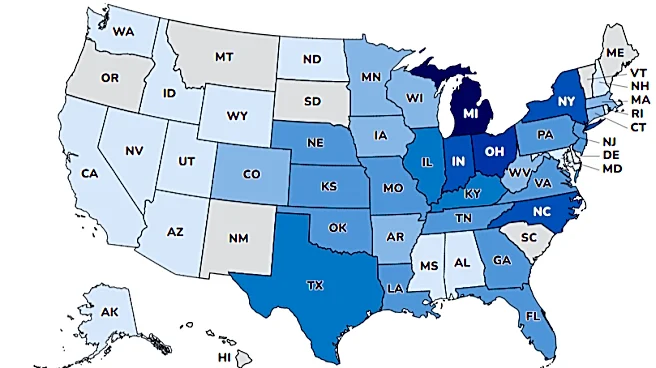
The U.S. Centers for Disease Control and Prevention is investigating an epidemiological link between cases in four states − Michigan, Ohio, West Virginia and Kentucky.
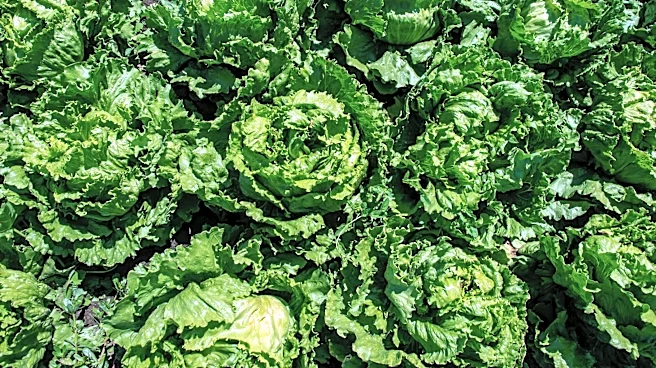
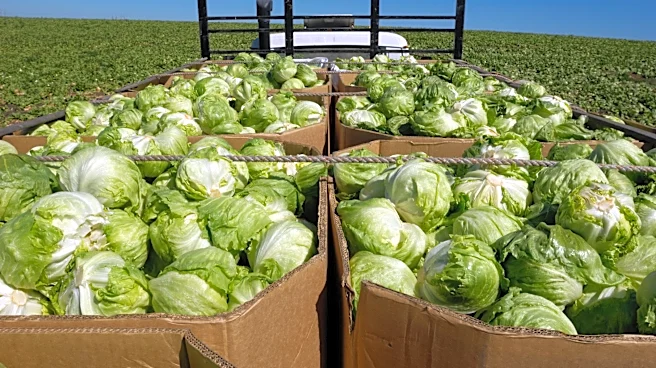
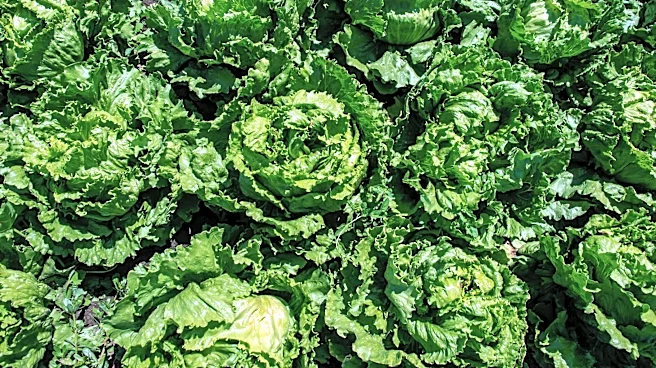
Investigators say that available information indicates that lettuce or salad greens may be a potential source of the outbreak. However, other food items cannot be completely ruled out, and no specific type of produce, grower or supplier has been identified as the source, according to the Michigan Department of Health and Human Services.
Cyclospora infections are known to cause extremely severe, debilitating "explosive" diarrhea. The parasite has not been known to cause any deaths in 2026, though it has been connected with multiple hospitalizations.
Here are five things to know about cyclosporiasis and water activities.
Its outbreak might be tied to lettuce but not to swimming
When heavy rainfall overwhelms sewage systems or septic tanks, raw or partially treated sewage mixes with floodwater, which then spreads to neighborhoods, fields, waterways and low-lying areas that can eventually filter into recreational areas of water, wells or reservoirs.
"It has to sit close to a week to be in the right form to be infectious," Templer said. "In developing countries where this was originally seen, a good proportion of the time it is related to the water source...It's only been more recent that it's been identified in the United States as a pathogen."
There is currently no evidence linking recreational water activities to the outbreak. While people should always avoid swallowing recreational water, foodborne exposure − particularly exposure to contaminated produce − remains the primary focus of the current outbreak investigation, Michigan health officials said.
You'd have to swallow the water
The cyclospora parasite is transmitted via the fecal-oral route, which means that poop containing the parasite has to be ingested for infection to occur. The most common way that happens in the U.S. is foodborne, which may actually originate from a water source, like irrigation. It could also happen if contaminated water is inadvertently swallowed, which has given rise to some news reports of risks existing in recreational swimming areas.
People may ingest water from recreational activities and contract cyclospora but never get counted in surveillance data, Templer said.
"Some people get it, and they are completely asymptomatic, so they have no symptoms at all," Templer said. "Eventually the diarrhea goes away for most people, though it can last a month, it will go away. The exceptions to that are if you are immunocompromised, so like you are on chemotherapy, or you on biologics that depress your immune system and then extremes of age, like little kids and elderly people."
'Crypto' not, cyclospora, is most common cause of outbreaks
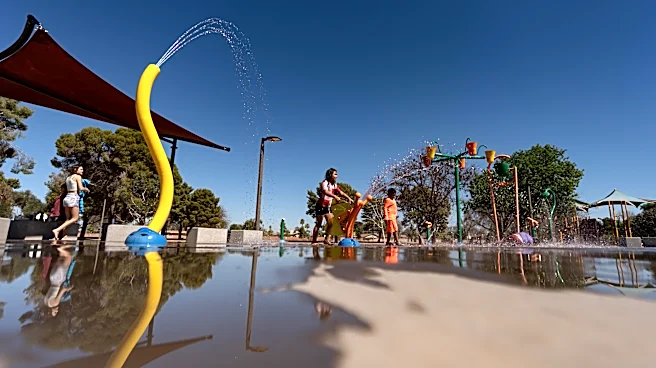
Cryptosporidium or "crypto" is the diarrhea-causing parasitic illness that families get warned about every year during pool season. The warnings apply to water parks and splash pads, too.
Crypto is more commonly detected, but less is known about cyclospora, Templer said. There's not much data on it, and the parasite is notoriously difficult to grow as a culture in laboratories, so it's challenging to study, investigate, detect and trace, she said.
Other germs that can be acquired from water activities include giardia, shigella, norovirus and E. coli.
"I've have never been to a water park and never plan to," said Templer. "I know all the things you can get from water parks. It's a professional hazard...I know too much."
Anyone with diarrhea should stay out of water activities
Parents should keep kids with diarrhea out of the water, and that applies to adults too. Anyone with loose stool or diarrhea could be at risk of infecting other people, even if they don't feel ill themselves, Templer said.
Templer advises that anyone going to another state check travel alerts in other states, and to also check warnings on beaches, which sometimes close due to contamination.
Most common cyclospora prevention advice relates to produce
While it's a good general precaution to avoid swallowing water while swimming, Arizona Department of Health Services spokesperson Magda Rodriguez wrote in a July 16 email that current outbreak investigations have not identified recreational water exposure as a source of illness, "and contaminated produce remains the primary focus of public health investigations."
The fecal-oral transmission mode for cyclospora means that someone who has cyclosporiasis has either not washed their hands and then they are preparing your food, or it could be that it's irrigation water used on vegetable and fruit crops. Some bacteria and parasites adhere better to foods than others, and cyclospora "happens to be one of those sticky ones," Templer said.
Health officials are advising the public to:
- Buy whole heads of lettuce rather than prewashed, bagged lettuce or premixed salad kits.
- Discard outer layers: Before preparation, remove and discard the outer two to three layers of leaves.
- Wash inner leaves: Thoroughly wash the remaining inner leaves under clean running water.
- Prioritize cooking: For greens that can be cooked, cooking to an internal temperature of at least 158 degrees Fahrenheit (70 degrees Celsius) is the safest option. The parasite is resistant to routine chemical disinfection, and washing alone cannot guarantee removal.
Reach health-care reporter Stephanie Innes at stephanie.innes@usatodayco.com or follow her on X: @stephanieinnes or on Bluesky: @stephanieinnes.bsky.social.
This article originally appeared on Arizona Republic: Cyclosporiasis outbreak raises swimming pool fears. Here's the real risk