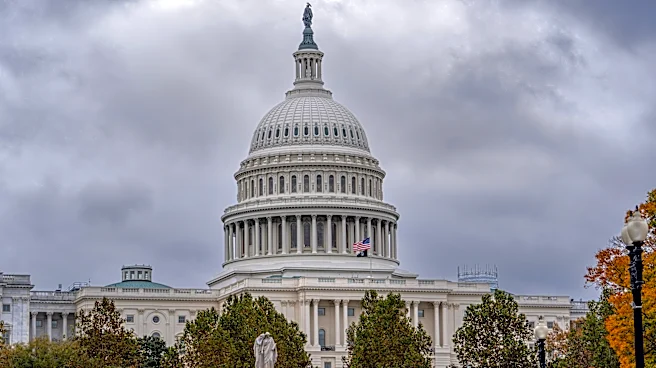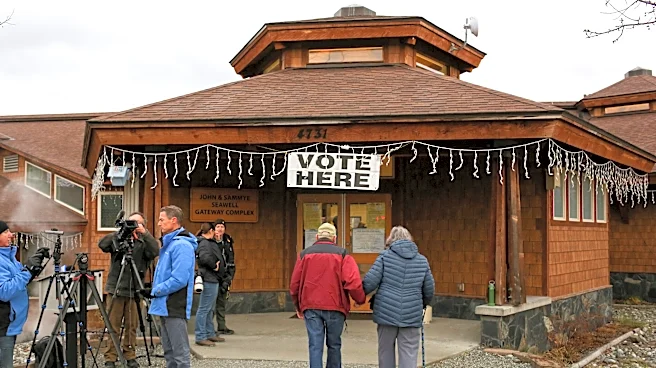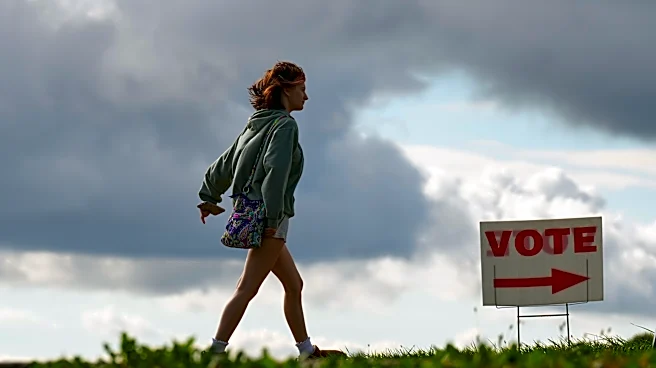


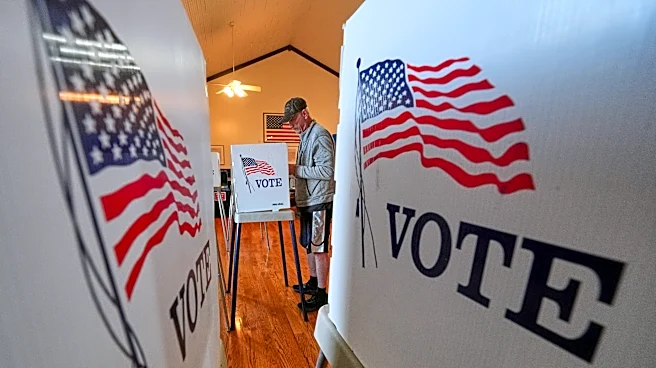

Nearly every major race of the midterms has been called. Not so in Mississippi and Alaska, where the ballots that will decide two Senate seats are still being sorted, scrutinized and, increasingly, litigated.
Neither will change who controls the chamber. Democrats claimed the Senate on election night — part of a wave that left them with 54 seats to Republicans’ 44. What remains to be settled is the size of that majority and how much margin Democrats will have in the final two years of President Donald Trump’s term.
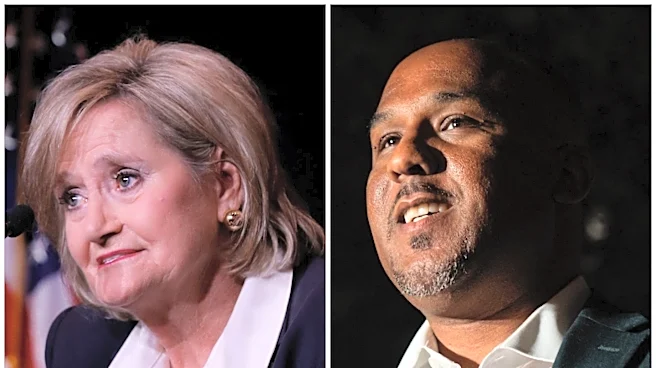
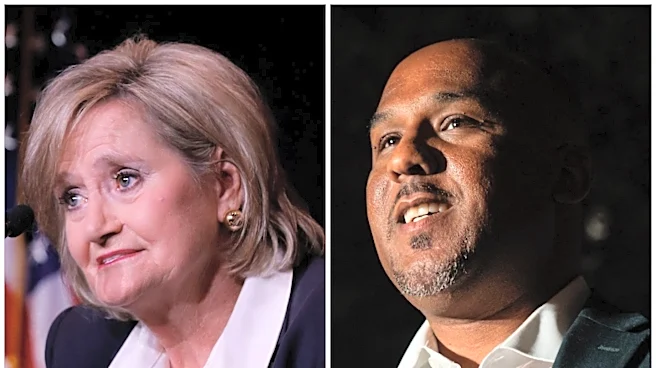
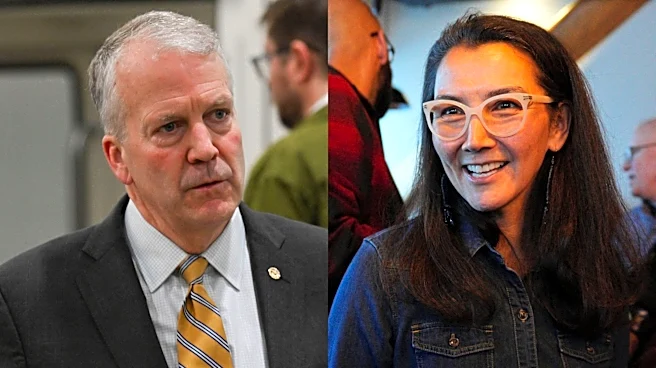
In Mississippi, Scott Colom, a district attorney, leads Sen. Cindy Hyde-Smith, the Republican incumbent, by some 2,500 votes — or less than a percentage point — according to the Associated Press, which has not called the race. A Democratic
win would be the party’s first Senate victory in Mississippi since 1982, and would make Colom the state’s first Black senator since Reconstruction.

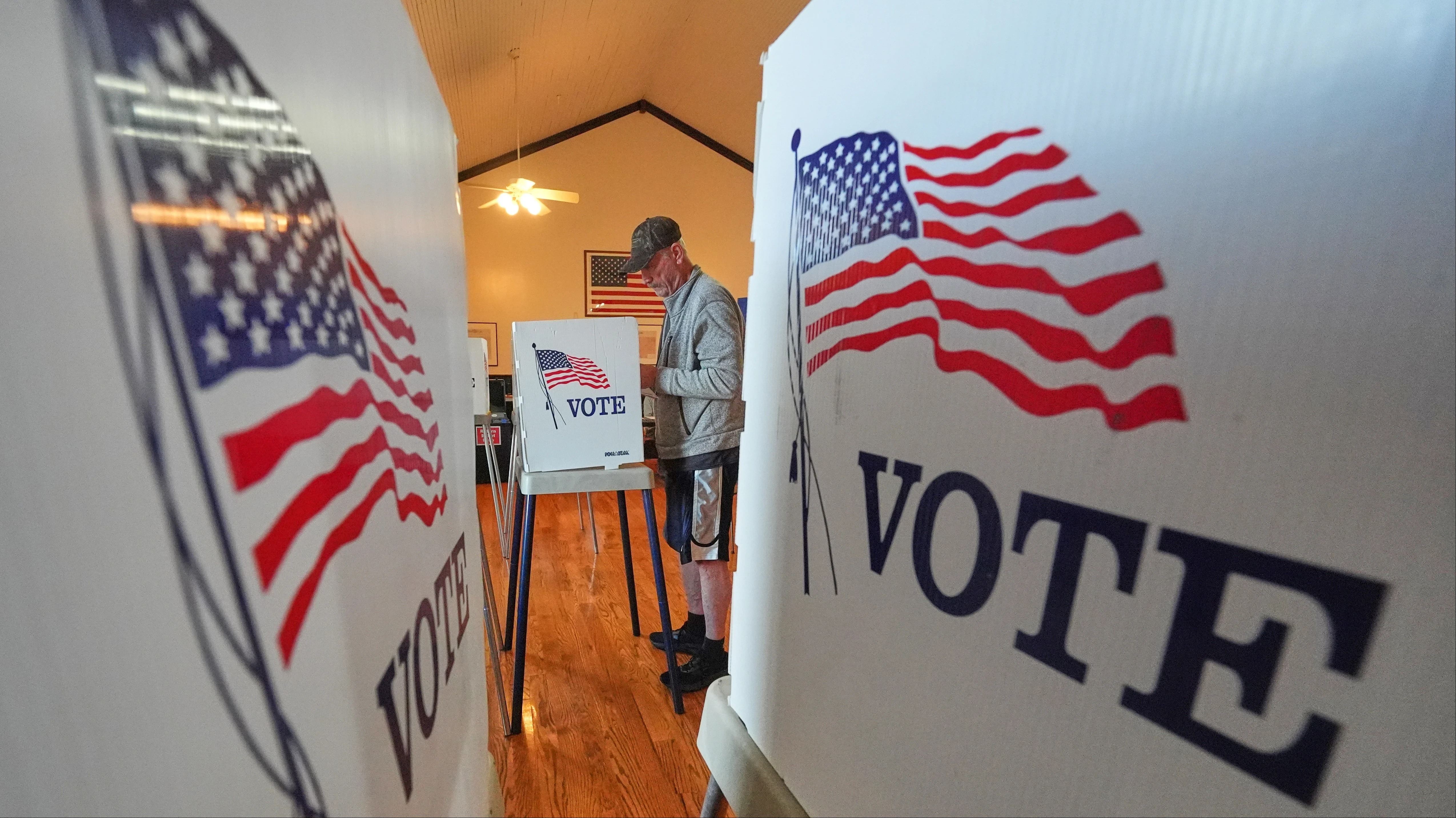
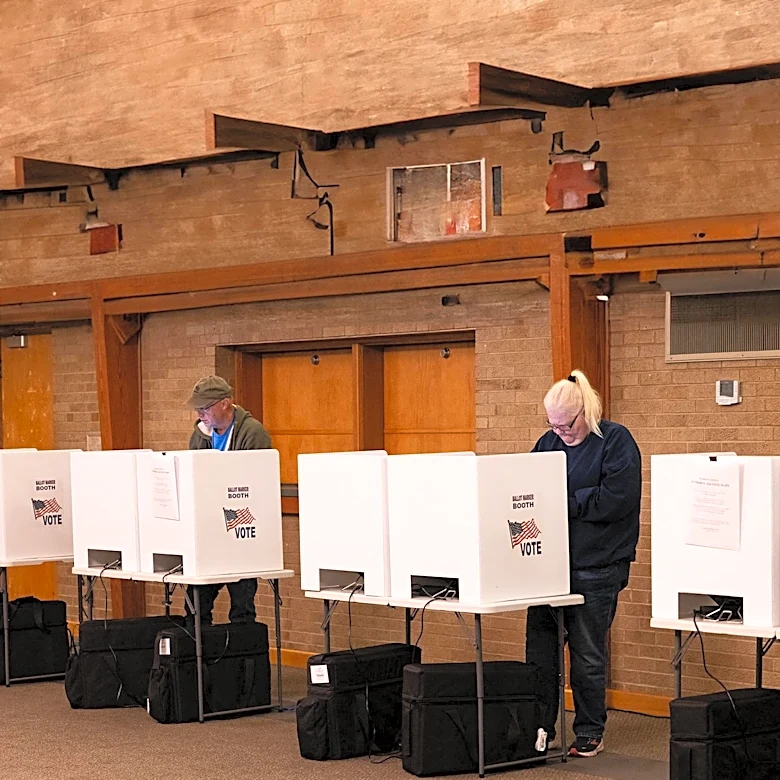
Much depends on ballots no one has fully tallied. Thousands of voters cast affidavit ballots, the state’s version of provisional ballots, because they lacked photo ID or were missing from their precinct’s rolls. Republicans estimate that roughly 20,000 ballots remain outstanding, and voters have until Nov. 10 to resolve problems with theirs.
So far, Colom has overperfomed among affidavit votes, even in counties Hyde-Smith carried with ease, according to a Mississippi Free Press analysis of the few counties that have finished counting them. But Republicans are bracing to contest them.
Hyde-Smith’s campaign and the National Republican Senatorial Committee have asked officials in all 82 counties to set the affidavit ballots aside and preserve them, the customary prelude to a court fight.
In a news conference, Mississippi Republican Party Chair Michael Hurst said the party had dispatched more than 50 volunteer lawyers and observers to counting sites and vowed to "fight like hell" to ensure the law was followed, while stressing that "there’s no election denying going on here."
Colom’s campaign has urged counties to refuse, with its lawyer arguing that pulling aside ballots already processed would itself violate state law. And because Mississippi permits challenges only county by county, any legal battle could scatter across dozens of courthouses.
Legal battles loom in Alaska
In Alaska, the legal skirmishing began long before anyone voted.
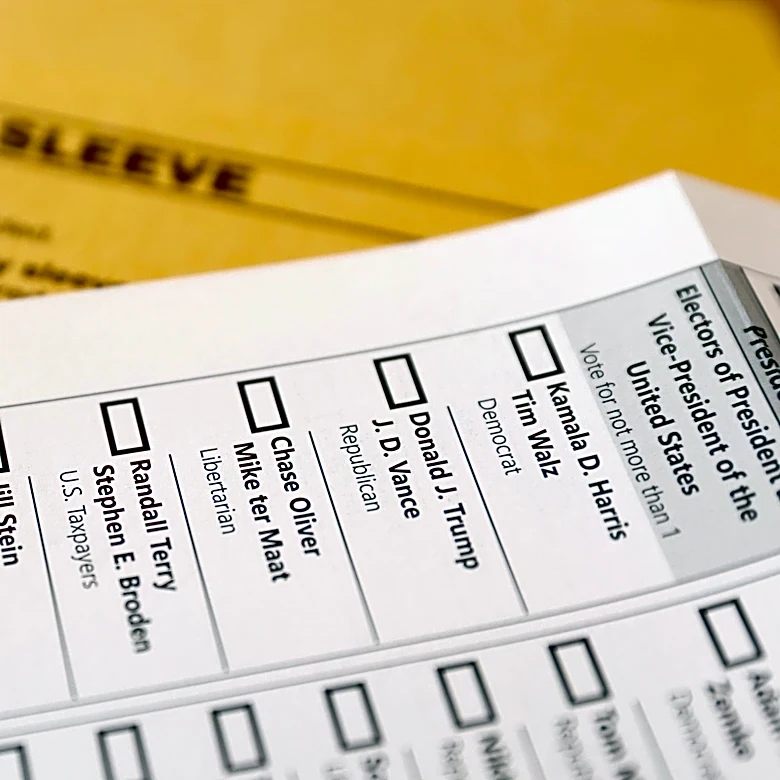
Mary Peltola, a Democrat and former congresswoman, led Sen. Dan Sullivan, the Republican incumbent, by 637 votes with roughly three-quarters of ballots counted, according to the AP’s latest tally. Hanging over the race for months has been a fourth candidate, a retired teacher who is also named Dan Sullivan. Republicans warned his name would confuse voters, but the Alaska Supreme Court declined to remove him.

The Justice Department then sued to block certification should the incumbent lose. A federal judge dismissed the case two days before the Nov. 3 election, though the department has vowed to appeal.
On Nov. 6, Peltola’s campaign opened a front of its own. The main group supporting her sued the state Division of Elections for the names of voters whose absentee ballots have so far been rejected, saying it wants to keep her supporters from being wrongly disenfranchised.
The state has refused, arguing that the records are preliminary and long kept confidential, and that releasing them now could slow the count. "The Division has protected this information for years and will ask the court to protect it too,” the state Department of Law said in a statement, according to Reuters.
Alaska’s final answer is still more than a week away. Absentee ballots can arrive through Nov. 18, the same day the state expects to run its ranked-choice tabulation, since no candidate has cleared 50%. That count will redistribute the votes of trailing candidates, including the other Dan Sullivan.
This article originally appeared on USA TODAY: Mississippi, Alaska Senate races still undecided as legal fights loom