







In the hours leading up to his children's deaths, Patrick Clancy said, things seemed to finally be getting better.
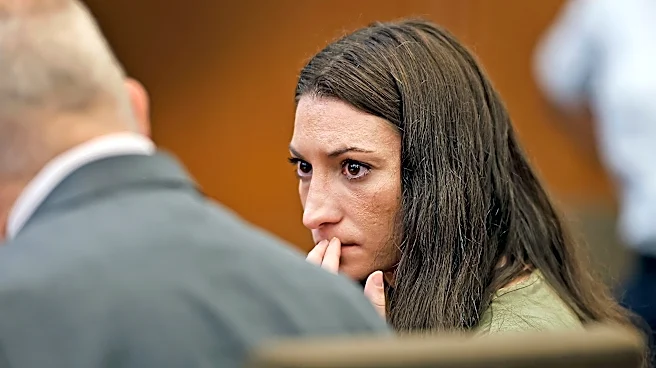
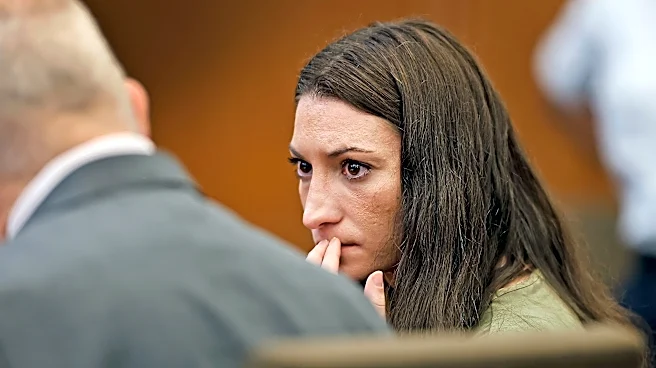
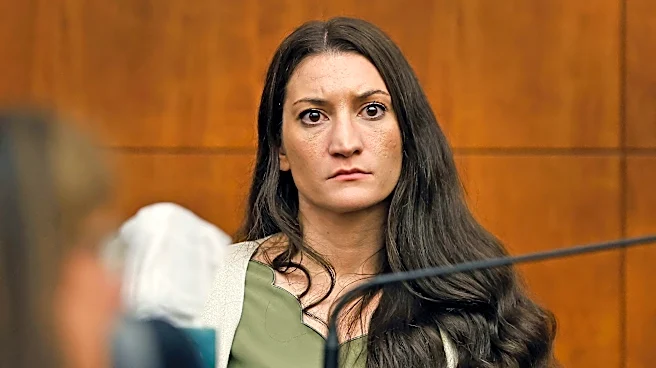
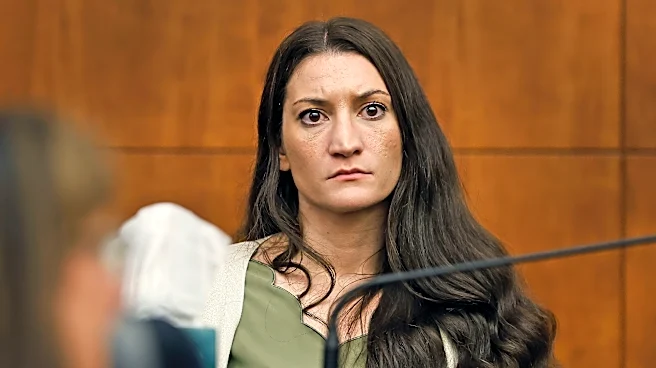
Taking the stand at the trial of his ex-wife Lindsay Clancy, Patrick described how Lindsay had been having "one of her best days" before she allegedly killed their three children − Cora, 5; Dawson, 3; and Callan, 8 months − in January 2023. Lindsay, 35, is facing murder charges in their strangulation deaths and has pleaded not guilty to all three counts.
While testifying in a Massachusetts courtroom on July 27, Patrick recounted the months, days and hours leading up to the children's deaths. He described how Lindsay's mental health began to deteriorate roughly four months after giving birth to Callan.
But, the morning of that fateful
day in January, he said, she seemed to be doing better.
"She seemed happy," Patrick said of Lindsay's mood. "She was having one of her best days."
Prosecutors allege Lindsay methodically planned the murders. The defense argues she lacks criminal responsibility – also known as an insanity defense – due to postpartum depression and psychosis.
The Clancy case sparked a national conversation about postpartum mental health, and Patrick's testimony speaks to the unpredictable nature of some mental health issues in general, according to mental health experts.
People's moods and states of mind can change on a dime, particularly when they have a serious condition, and symptoms may not always present in a linear fashion, experts say.
"Waxing and waning of symptoms is very common if you're having a psychotic episode," says Latisha O'Connor, a licensed clinical social worker and certified perinatal mental health provider. "Some days you're like, 'Oh, OK, this is OK. This is manageable.' And other times it feels insurmountable, and you feel completely alarmed and unsafe."
Lindsay Clancy, Patrick's testimony and when life takes a horrific turn
In September 2022, Lindsay sought care for anxiety, ultimately getting prescribed an antidepressant, Patrick testified. But her anxiety was not improving, he added, so her prescriber told Lindsay to double the dose.
"Over that period of time, she just kept getting worse and worse," Patrick said.
Lindsay's symptoms did not improve, so she went on additional medications, he said. She also was admitted to a facility for suicidal thoughts and to a psychiatric hospital after confiding in Patrick that she had "intrusive thoughts" about harming the children or something bad happening to them, he said.
The day of their kids' deaths, Patrick worked from his basement office while Lindsay played outside with the children, building a snowman in their yard. That evening, Lindsay texted Patrick asking if he wanted to get takeout for dinner. He texted her his order, which she called in. To him, he said, all seemed well.
Then, the unthinkable happened.
Life can change in an instant, and someone in a precarious mental state may seem to be improving before taking a sharp turn for the worse. Depression, for example, is not linear − someone can have good days before a catastrophically bad day. The same can be true of a postpartum mental health issue, whether it be postpartum depression, anxiety or even psychosis.
"If a person has postpartum psychosis, that's a mental health crisis, and they need to see somebody immediately," says psychotherapist Stephanie Sarkis.
What is postpartum psychosis?
Most people are familiar with terms like the "baby blues" or postpartum depression. However, few talk about postpartum psychosis, a more severe illness occurring in approximately 1 to 2 in 1,000 mothers after giving birth.
The symptoms, according to experts, include:
- Delusions.
- Hallucinations.
- Extreme depression or flat affect.
- Decreased need for or inability to sleep.
- Paranoia and/or extreme suspiciousness.
- Rapid mood swings.
While postpartum psychosis can include signs of depression, obsessive-compulsive disorder or anxiety, the main difference is "the severity in symptoms," Jessica MacNair, a licensed professional counselor specializing in postpartum and perinatal mood disorders, previously told USA TODAY.
"Postpartum psychosis is always considered an emergency needing immediate care and attention, whereas postpartum depression, OCD and anxiety may be able to be treated in an outpatient setting," she added.
The case has prompted some mothers to share their own stories on social media of hallucinations, paranoia and suicidal thoughts after childbirth. Some recalled feeling out of touch with reality and battling intrusive thoughts. Within the plethora of personal anecdotes, there is one thing these stories have in common: Stigma kept the moms from seeking help.
What happened in Duxbury, Massachusetts − if indeed postpartum psychosis played a role − is rare, Abbie Goldberg, a professor of psychology at Clark University, previously told USA TODAY. Postpartum Support International states that 4% of postpartum psychosis sufferers commit infanticide, and 5% die by suicide.
The conversation around the case, however, does highlight the lack of "mental health support for new parents (because) the emphasis is on the health of the child," she added.
"Women who have no history of such thoughts may experience alarmingly intrusive ones of self-harming or harming their child," Goldberg added.
Contributing: Jenna Ryu, Melina Khan
This article originally appeared on USA TODAY: Lindsay Clancy was having 'one of her best days,' ex-husband says. Then everything changed.