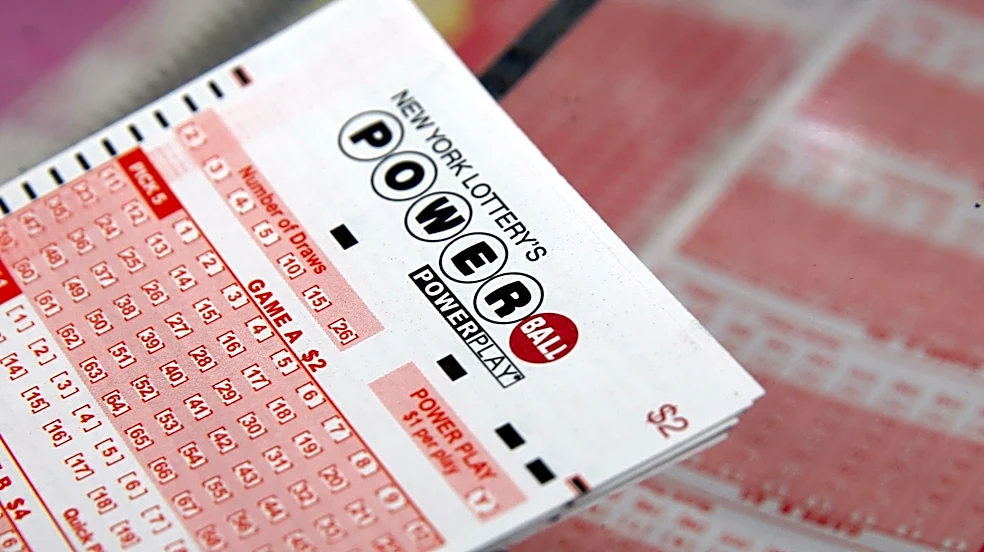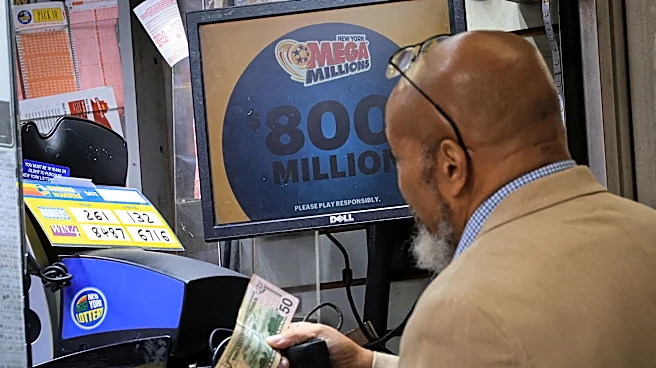








Nationwide lottery spending continues to rise as billion-dollar jackpots increasingly become the norm, according to LendingTree.
Americans spent an average of $323 on lottery tickets in 2024, the most recent year with available government data, the lending comparison site said. That's up 4.5% in two years. Total spend was $110.4 billion, up from $109.0 billion in 2023 and $103.3 billion in 2022.
The increase comes as Americans more often hear about billion-dollar prizes. A U.S. lottery jackpot has reached or surpassed the $1 billion mark 15 times in history, with the first time recorded in January 2016. Of those 15, all but two have occurred within the last five years, according to MegaMillions and Powerball, the two largest multi-state U.S. lottery games.
"Ticket sales increase over three times as much if the jackpot expected value increases by $1 than if the price decreases by $1," wrote Wharton economics professor Benjamin Lockwood in a co-authored study last year.
In other words, lottery players see the cost of a ticket as a small price to pay for a dream of winning a giant jackpot.
If Americans feel life's unaffordable, why are they spending on lotto?
Not all Americans are buying into or can afford to entertain the lottery dream. Lottery spending actually fell in 28 states in 2024, a dozen more than saw increases, LendingTree data showed. The largest decreases were in Wyoming (8.0%) and Oklahoma (7.9%). Four other states saw declines of at least 5.0%, LendingTree said.
Although far more states saw per-capita spending decreases, per-capita spending rose slightly nationally because increases in the states where spending rose were generally larger than declines in the states where spending fell, it said.
Four states had double-digit percentage growth. North Carolina led the way, with residents’ lottery spending rising 20.3% to $506 in 2024 from $421 in 2023. That increase propelled North Carolina to the fourth-highest per-capita lottery spending in 2024, up from 12th in 2023, LendingTree said.
The jump in North Carolina was likely because of the introduction of digital instant-lottery games in November 2023, LendingTree said. The instant-win games, played on the lottery’s website or via the official NC Lottery mobile app, generated more than $1.3 billion in sales in fiscal year 2024, which ran from July 2023 through June 2024.
Virginia showed the second-biggest jump (18.3%), followed by Arizona with 13.2% growth and Kentucky with 13.1%.

Who are the biggest spenders on lotto tickets?
All the top 10-per capita lottery spenders live east of the Mississippi River, with Massachusetts residents leading the pack, LendingTree said.
Massachusetts residents spend an average of $904, or 43.5% more than the average in Virginia and Rhode Island, the next highest states. Virginians spent an average of $630 per resident, up 18.3% in 2024 from the prior year, and the Ocean State spent $567 per resident.
Those in the Bay State may spend more because the lottery is more ingrained in the state's history, said LendingTree chief consumer finance analyst Matt Schulz.
"Massachusetts had the first state-run instant-lottery ticket in the U.S., which debuted back in 1974," he said. "The 50th anniversary of that innovation was celebrated in 2024, the year of the data in our report, so that extra visibility could have contributed to extra sales, too."
Who spends the least playing the lottery?
Americans west of the Mississippi River are much less enamored by the jackpot dream, data show.
North Dakota residents spent the least on the lottery, only $51 on average, LendingTree said.
Per-capita lottery spending was below $100 in just four other states: Wyoming at $69, Montana at $76, New Mexico at $84 and Oklahoma at $85, it said.
Should people buy lottery tickets?
Since odds of winning the jackpot are so low, generally around 1 in 300 milliion, financial advisers warn against spending too much money on lotteries.
“It's pretty remarkable that Americans are spending more than $110 billion a year on lottery tickets," Schulz said. "That's a massive amount of money, especially when you consider how many people are struggling with everyday expenses....There's nothing wrong with buying a lottery ticket now and then for a little fun. However, when those purchases become a regular habit, the costs can add up a whole lot faster than people realize.”
But if you're going to be a regular, "think of lottery tickets as entertainment rather than an investment," Schulz said. "Put a specific dollar amount for them in your monthly budget, and only use money that’s left after essentials, debt payments, savings, and other financial goals are covered...You might even win a little back every once in a while. However, if you’re seeing the lottery as anything more than just an occasional entertainment expense, you’re setting yourself up for trouble."
Medora Lee is a money, markets and personal finance reporter at USA TODAY. You can reach her at mjlee@usatoday.com and subscribe to our free Daily Money newsletter for personal finance tips and business news every Monday through Friday morning.
This article originally appeared on USA TODAY: Lottery spending keeps rising nationwide. See who's feeling luckiest