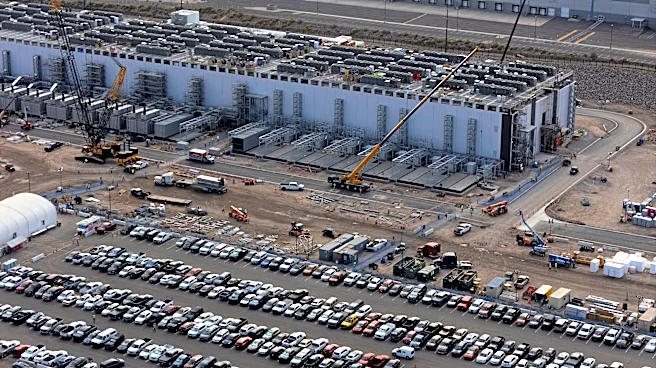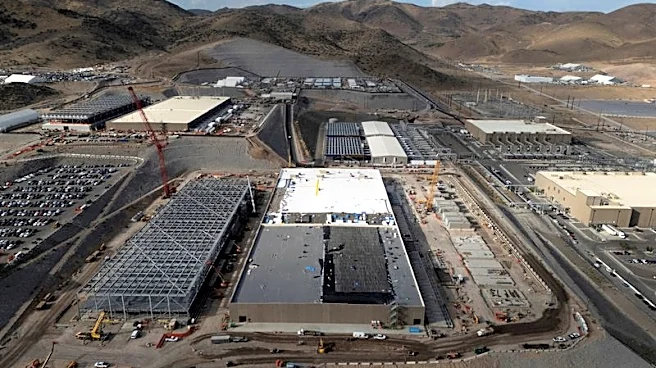



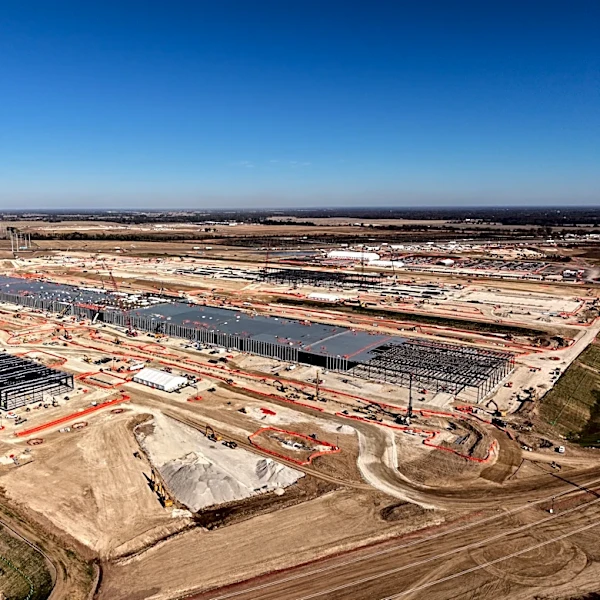



WASHINGTON — The U.S. Senate on Nov. 19 passed a massive bill to speed up energy project development, weakening environmental rules, while ensuring data centers pay their own way for the electricity they require.
The Bipartisan American Affordability and Jobs Act, which locked senators on both sides of the aisle in painstaking negotiations over the past few months, passed on a 62-33 vote. The bill, which also bolsters clean energy sources like wind and solar, marked the most significant piece of permitting reform legislation that Congress has passed in years.
Still, it faces an uncertain future in the House of Representatives and a shrinking legislative window to fully pass on Capitol Hill. If not adopted by both chambers, the legislation would
have to be reintroduced when the 120th Congress takes over in January.
While supporters of the bill hailed it as a victory for American manufacturing and infrastructure, critics such as Sen. Jeff Merkley, D-Oregon, said it would "put the pedal to the floor" on data center development while running roughshod over the sovereignty of Native American tribes.
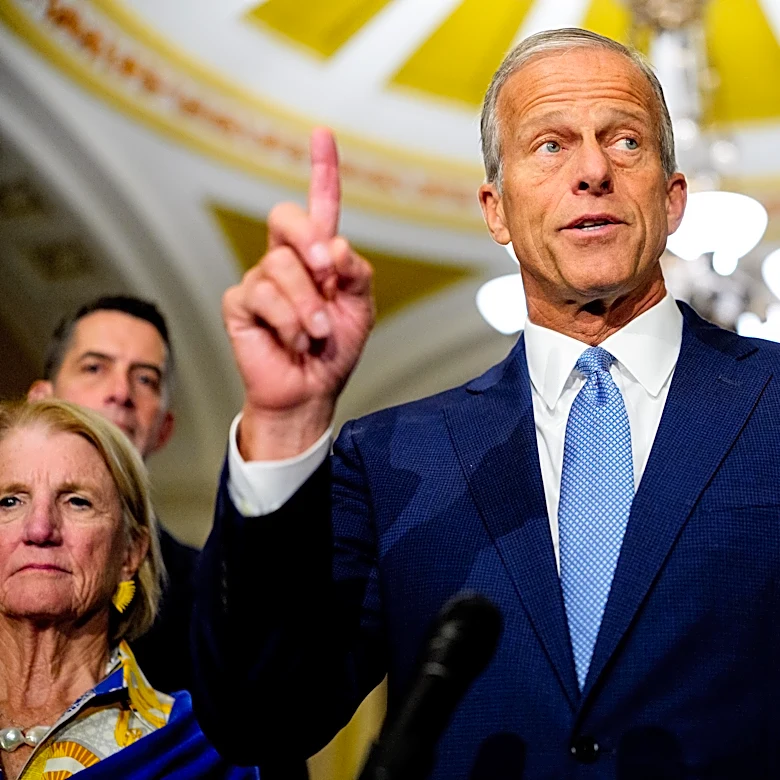
Senate Majority Leader John Thune said the legislation "cuts through decades of red tape that has made it unnecessarily difficult and costly to build things in America." He promised the bipartisan measure would create better roads and more jobs.
"The slow pace of our current permitting process has had an impact on everything from drinking water to bridge and road repairs. And those delays have consequences for the American people," he said on the Senate floor. "It’s estimated that this bill will save the average household hundreds of dollars each year."

The bill, however, has garnered scrutiny from tribal groups, who said it could infringe upon their treaty rights and endanger sacred sites. Despite last-minute efforts to address those concerns, many opponents in Indigenous communities ultimately weren't assuaged.
"This bill ran right over the top of them," Merkley said. "They are profoundly insulted."
What does the bill do?
The bipartisan bill, first introduced in September, would speed up federal environmental reviews of energy projects and make it easier for developers to get the power they need to run data centers. However, a provision outlined in the text would also charge extra for access to the electric grid, meaning the developer would have to pay more for power.
Proponents of the bill make up an unlikely coalition, including the oil and gas industry and the White House, as well as clean energy developers and global warming activists.
Backers assert the bill is tough but fair on developers, forcing them to pay the full cost of any upgrades while smoothing permits required for projects to move forward. The bill also aims to improve energy affordability, reduce emissions and strengthen the electric grid.
"BAAJA is a big step forward in our fight against climate change," Sen. Sheldon Whitehouse, D-Rhode Island, wrote in a post on X, citing the 1.5 gigatons of emissions it would lower through 2040. "That's the same as taking nearly 35 million gas-powered cars off the road."
The bill has seen opposition from anti-data center groups, environmentalists and Indigenous groups, who argue that it would strip away environmental laws to accelerate the development of data centers powered by natural gas, accelerating the buildout of the artificial intelligence industry.
Environmental advocacy nonprofit Oil Change International called the legislation a "fossil fuel giveaway" and 17 Democratic state attorneys general wrote a letter seeking revisions to protect laws they say the bill could weaken, like the National Environment Policy Act and Clean Water Act.
Data centers were widely rebuked in the November midterms as dozens of local data center moratoriums passed at the county and city level across the United States.
This article originally appeared on USA TODAY: Senate OKs bill to speed energy projects, make data centers pay their way