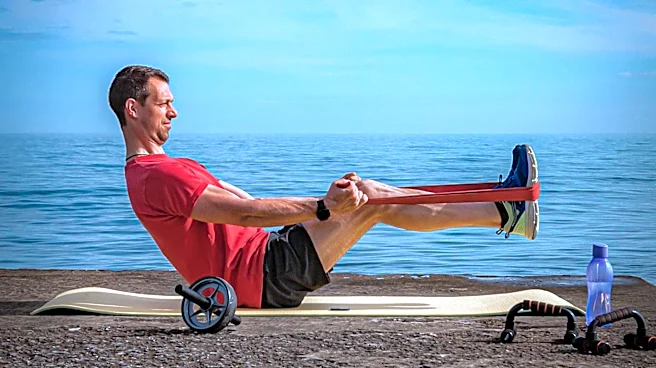



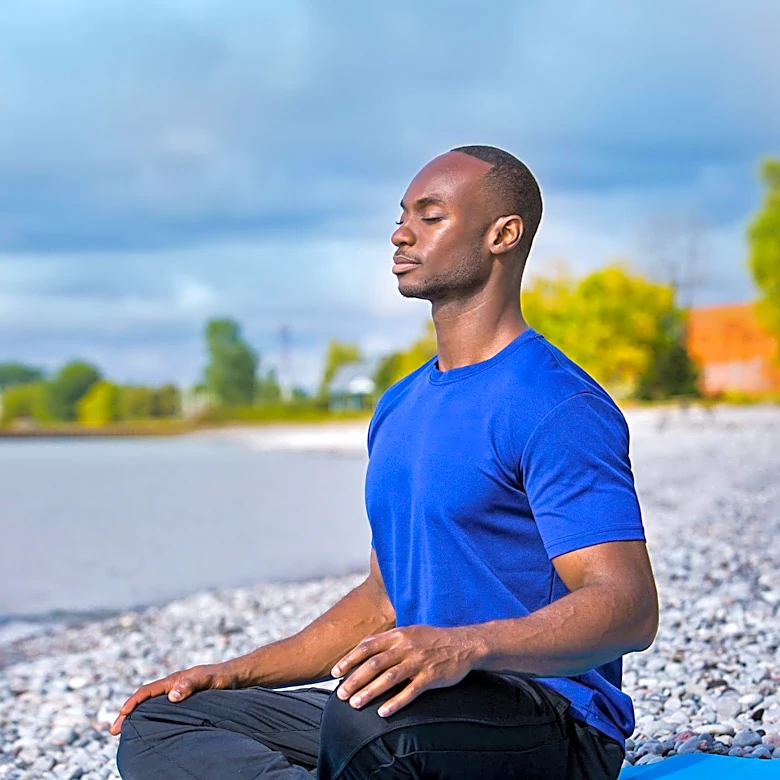




Despite being a 5,000-year-old practice, millions of people are still unrolling yoga mats today in living rooms, neighborhood studios, parks and gyms while they explore styles ranging from Vinyasa and Hatha to Yin, restorative yoga, yoga nidra and hot yoga.
But traditional yoga isn't accessible or comfortable for everyone. Kneeling, balancing or putting weight on aching joints can be difficult for older adults, people recovering from injuries or anyone living with arthritis or chronic pain.
That's one reason aquatic yoga is making waves. By moving familiar poses into the buoyant support of a pool, this gentler variation offers many of yoga's physical and mental benefits while also placing less stress on the body.
Here's what to know about this
increasingly popular practice and who may benefit most from trying it.
What is aquatic yoga?
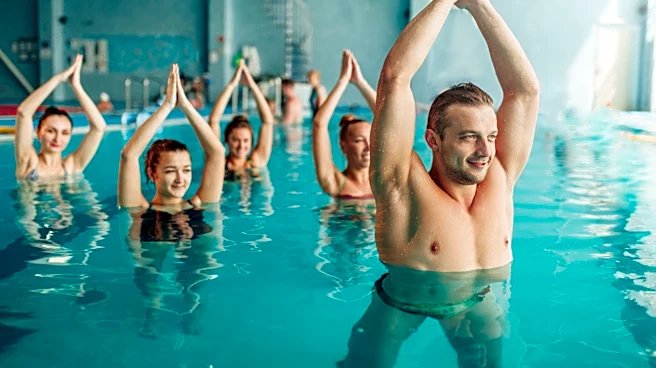
Aquatic yoga – also known as water yoga or aqua yoga – is exactly what it sounds like: "yoga practiced in chest- or waist-deep water in a pool environment," says Brett Larkin, a certified instructor and founder of Uplifted Yoga.
She says participants perform familiar yoga poses, stretches, breathing exercises and relaxation techniques while the water supports much of their body weight and provides gentle resistance in every direction. "Depending on the class, you might practice standing poses in shallow water, gentle flowing movements, breathwork, meditation and even floating relaxation using the support of the water itself," says Larkin.
A typical class begins with breathwork and simply noticing how the water supports your body, she explains. "From there, you might move through gentle twists, the standing poses, mindful walking, flowing sequences and balance work, often finishing with floating meditation or deep relaxation," she says.
One of the beautiful things about practicing in the water, she says, is that it changes your relationship to traditional yoga movement. "With the water offering constant support and sensory feedback, many people discover they move with more confidence, curiosity and ease than they do on land," Larkin explains.
Why is aquatic yoga good for you?
Many of aquatic yoga's benefits begin with yoga itself. Dr. Loren Fishman, a physician, yoga practitioner and professor of physical medicine and rehabilitation at Columbia University explains that regular yoga can improve flexibility, muscle strength, balance, mobility and overall physical function while helping reduce stress, anxiety and symptoms of depression.
Studies have also linked consistent yoga practice with lower blood pressure, better heart health, improved sleep and a higher overall quality of life.
The water may enhance some of those benefits. Because buoyancy supports a significant portion of your body weight, "it reduces stress on the joints while providing gentle resistance in every direction, allowing people to build strength and improve mobility with less discomfort," Larkin says.
The water also creates a safer environment for practicing balance because participants can challenge their stability with less fear of falling. Hydrostatic pressure – the force water naturally exerts against the body – may also help reduce mild swelling in the legs and support healthy circulation during exercise. And many aquatic yoga programs are held in warm-water pools, which Fishman says can further relax muscles, ease stiffness and make stretching feel more comfortable.
"Many people also simply find being in water incredibly calming, which creates an ideal environment for slowing down and becoming present, important tenets of any form of yoga," says Larkin.
Who is aquatic yoga best for and how to get started?
Aquatic yoga can benefit almost anyone, but it's especially well-suited "for older adults, people recovering from injury, individuals living with chronic joint pain or anyone who feels intimidated by traditional exercise," says Larkin. It may also be a good option for people with obesity, osteoporosis, balance challenges or those recovering from surgery after receiving medical clearance.
Aquatic yoga is also "a terrific option for someone with arthritis because it is non-violent and without jerky, possibly harmful movements," says Fishman.
To get started, Larkin recommends looking for a class taught by an instructor trained in both yoga and aquatic exercise. She also suggests practicing in a warm-water therapeutic pool, wearing comfortable swimwear and staying well hydrated. "Move slowly, pay attention to your breath and allow yourself to enjoy the experience," she adds.
People with uncontrolled heart conditions, open wounds, certain infections or severe balance or seizure disorders should check with their health care provider before participating, Fishman cautions.
"My biggest piece of advice is to let go of the idea that yoga is about achieving the perfect pose," adds Larkin. "Whether you're practicing on a mat or in a pool, yoga is really about developing a better relationship with your body."
This article originally appeared on USA TODAY: Why this low-impact yoga workout is gentler on your joints