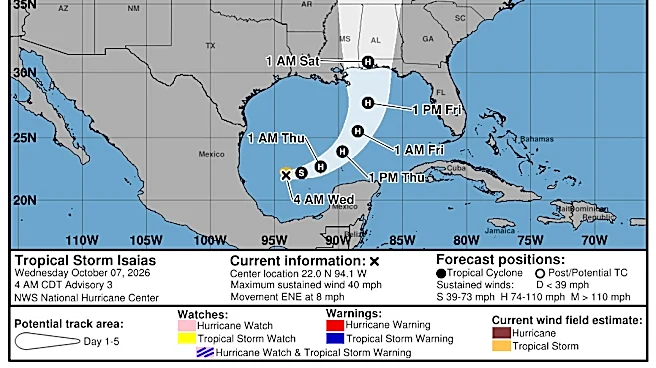




Storms such as Hurricane Isaias, which is expected to make landfall late Friday, can devastate your car, rendering it completely immobile due to water damage. You may not always be able to protect your vehicle depending on the severity of a storm, but there are some actions you can take to safeguard some of its major mechanical components.
I test new vehicles for a living and regularly prepare my household's vehicles for major storms and flooding.
Ahead of Isaias' landfall, here are five things I would do to protect my vehicles if a hurricane or massive storm was coming to my neighborhood.
1. Fill your gas tank or recharge your EV
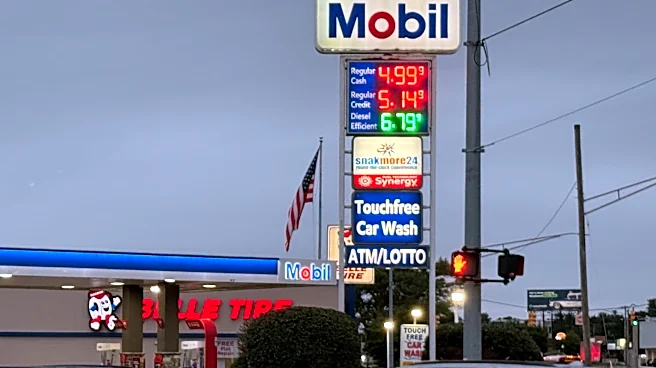
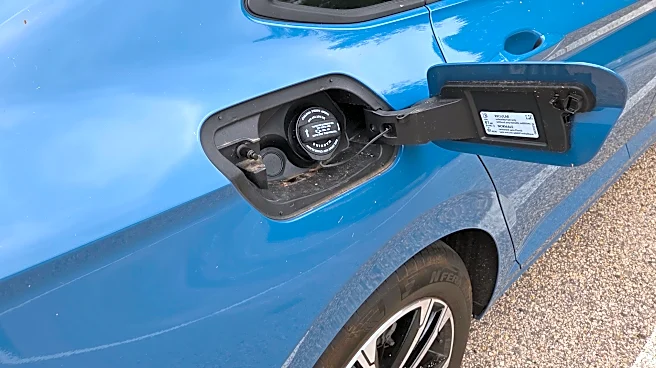
As an automotive enthusiast and car reviewer, the first thing I do if I know a major storm or hurricane is approaching my area is fill my gas tank. Gas stations
may be out of service depending on the severity of a storm or hurricane, so preemptively filling your tank is a good way to avoid having to drive to a gas station in hazardous conditions after a storm.

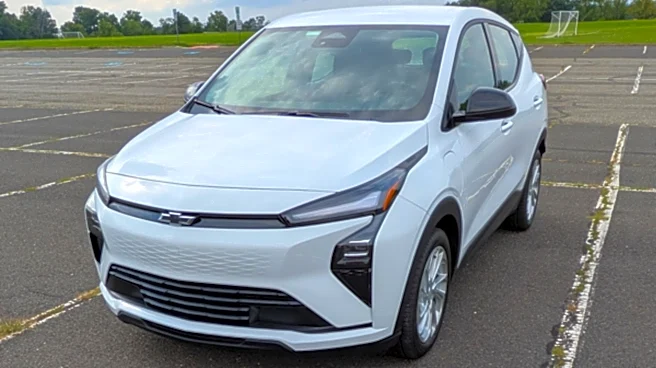
This is especially important for electric vehicle owners who rely on public charging stations, because EV charging stations aren't as plentiful as gas stations. Additionally, hazardous road conditions could make these stations inaccessible. Charging your EV's battery before a big storm can help you avoid an urgent charging session in unsafe or uncomfortable weather.
2. Review your car insurance coverage
Thanks to smartphone apps, drivers can review their auto insurance policies without ever having to call their providers. If documentation in your car insurance app doesn't answer your questions, you can always reach out via an in-app chat to understand the limitations of your coverage.
Knowing the type of damage that is covered by your car insurance can change how you prepare for big storms or hurricanes, since all drivers aren't automatically covered for storm-related damages.
3. Document your car's condition before a storm
Before a major storm or hurricane hits, documenting your vehicle's appearance can help you understand how it may have been damaged because of weather. Taking clear photos of your vehicle before a storm can make insurance claims easier if you have comprehensive coverage.

Drivers with comprehensive coverage can get repairs completely paid for or vehicles replaced if damage is a result of flying debris, falling tree limbs, wind or flooding. Taking pictures and videos of your vehicle can also help you notice damage that may not be immediately apparent once the storm clears.
4. Check doors, windows and headlights, and protect your battery
It can be easy to neglect your car when preparing for a major weather event. One of the easiest ways to kill a vehicle's battery is to accidentally leave a door or trunk open a few inches. Accidentally leaving your headlights on can also kill your car's battery because it isn't being recharged by the alternator when the engine is off.

Checking all your doors before a major storm can save you from having to jumpstart your car once the weather clears up. Furthermore, ensuring that windows are completely up can protect your vehicle's cabin from serious water damage that would devastate its materials and potentially some of its electrical components.
5. Get your vehicle to high ground if you have the option
I have the luxury of owning a home with a sloped driveway. Even when the road floods, my personal vehicles and test cars are never in danger because they are on high ground. If you have the opportunity to move your car to a location on higher ground, you should take this step to protect your vehicle.

If you can't think of a higher location that's accessible and need to prepare your car for a serious hurricane or weather event, consider a structural garage or the home of a friend or family member with a sloped driveway.
This extra step may seem tedious or overcautious, but flood damage can destroy your car.
AAA's tips for drivers who expect bad weather

We reached out to AAA to get expert advice on what drivers should do and should avoid when faced with rough weather.
"Only go out if necessary. Even if you can drive well in bad weather, it’s better to avoid taking unnecessary risks by venturing out. If bad weather is expected at any point, if possible, delay your trip until conditions improve." –AAA
A representative for AAA also suggested that drivers "check tread depth and check each tire’s pressure, including the spare, when the tires are cold" before hitting the road after a storm and when driving on wet roads. The representative recommended that drivers avoid cruise control in wet conditions and avoid relying on vehicle safety systems during or following a major hurricane or storm.
Charles Singh is an Autos Connect Reporter for The Tennessean, part of the USA TODAY Network. Contact him at CSingh@Gannett.com.
This article originally appeared on USA TODAY: Car owners in the path of Hurricane Isaias should take these steps now