


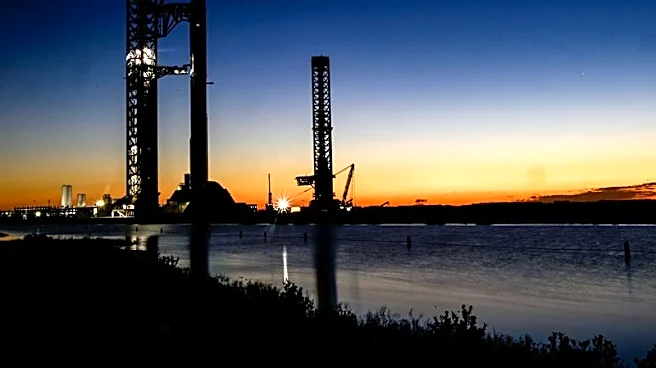
Perhaps you've heard, but SpaceX pulled off a major feat over the weekend that has spaceflight and rocket launch fans abuzz.
For more than three years, SpaceX has been developing its massive rocket known as Starship with a series of test flights in South Texas. And for more than three years, the upper section of the 400-foot rocket designed to fly in space has ended its flights either in unplanned explosions or planned water landings in the ocean.
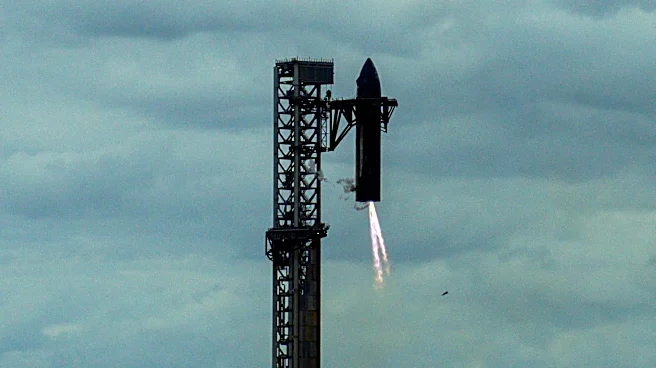
But SpaceX made history on Saturday, Nov. 14, by returning that vehicle back to the launch site, where a giant tower used mechanical arms to nab it out of the air. The accomplishment followed a flight test that lasted nearly a full day as Starship zoomed high enough in the air to be in orbit – itself
a milestone SpaceX only just reached for the first time on a previous flight in September.
So, what makes the feat such a major one? Well, it marks a crucial step toward SpaceX's goal of developing a rocket that is fully reusable, meaning both its lower and upper stages can be recovered and reused, rather than be expended.
Here's what to know about – and a look at – the moment SpaceX caught a returning Starship upper stage for the first time ever.
What is Starship?
SpaceX, which tech mogul Elon Musk founded in 2002, is developing Starship to be a fully reusable transportation system, meaning both the rocket and vehicle can return to the ground for additional missions.
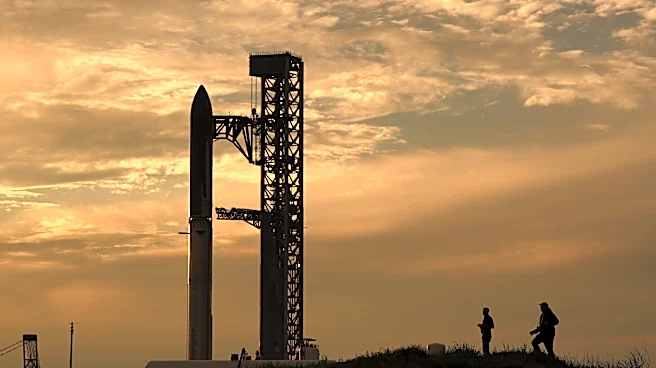
Reaching 407 feet tall when fully stacked, Starship is regarded as the largest and most powerful launch vehicle ever developed. The rocket is composed of both the 236-foot lower stage booster known as Super Heavy that provides the initial burst of thrust at liftoff, and a 171-foot upper stage that flies in orbit.
The third and latest prototype of Starship, known as Version 3 (V3) is still undergoing test flights as SpaceX races to have it ready for NASA's Artemis lunar landings and Musk's own dreams of crewed trips to Mars. Starship is also central to SpaceX's plans of expanding its Starlink satellite internet business.
SpaceX catches Starship upper stage on historic flight 15
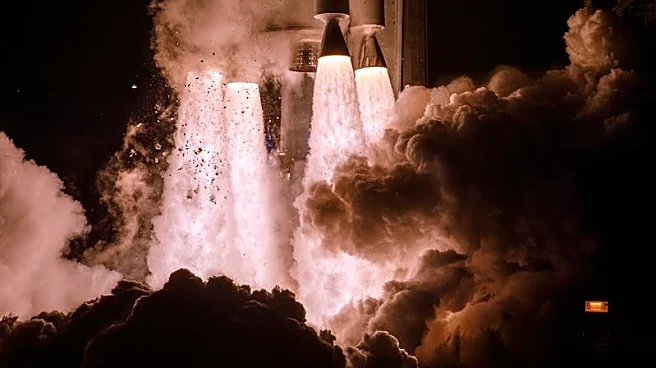
SpaceX got its Starship rocket off the ground Friday, Nov. 13, at SpaceX's Starbase company town and headquarters in Texas near the U.S.-Mexico border. Because the mission marked Starship's 15th flight test since April 2023, SpaceX refers to it as "flight 15."
During the mission, which lasted nearly an entire day, SpaceX hit almost all of its major objectives for Starship.
Not only did the upper stage vehicle of the rocket, dubbed Ship 42, reach orbit for the second time, but it also once again deployed 26 operational Starlink satellites that will reside closer to Earth's atmosphere and serve customers.
Mechazilla catches Starship! Congratulations to the entire SpaceX team on this incredible achievement! pic.twitter.com/YJzmGUZb2B
— SpaceX (@SpaceX) November 14, 2026
On its way back to Earth more than 20 hours later, Ship 42 then hit a historic milestone: successfully returning to the launch site in Texas, where SpaceX managed to catch the vehicle Saturday, Nov. 14, at the launch site. Video SpaceX shared on social media site X shows the vehicle blazing through Earth's atmosphere upon reentry, using its thrusters to maneuver itself to a vertical position and making a controlled approach toward a giant tower known as "mechazilla," which caught it with mechanical arms known as "chopsticks."
The feat marked a major landmark in the rocket's development, and could allow SpaceX to reuse it on a future flight test.
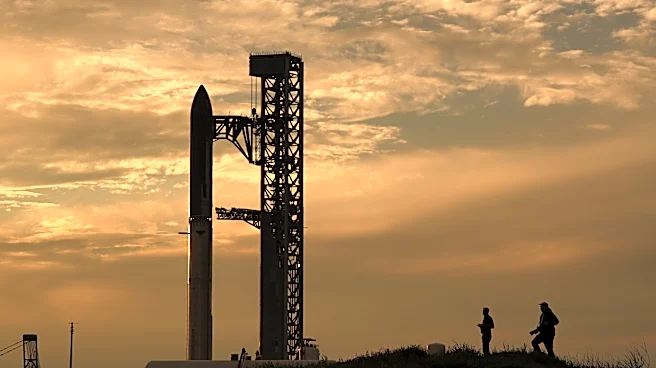
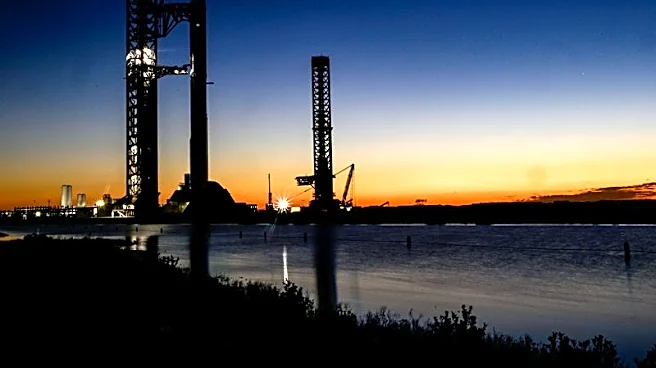
Photos show Starship launch, catch in Texas
SpaceX calls off Super Heavy booster catch
SpaceX also intended to catch the Super Heavy booster much earlier in the flight test after it separated from the rest of Starship to make its way back to Starbase. The maneuver is one SpaceX has pulled off on three previous flight tests between October 2024 and March 2025.
But the return was called off when an issue prompted the booster to trigger an automated abort. Instead, Super Heavy made a water landing about seven minutes after liftoff in the Gulf of Mexico, renamed by executive order in the United States as the Gulf of America.
Landing burn and splashdown for Super Heavy Booster 22 pic.twitter.com/zJXpCJHuXa
— SpaceX (@SpaceX) November 14, 2026
SpaceX said on its website it is investigating "the root cause," which appeared to be because it was unexpectedly running low on fuel.
Eric Lagatta is the Space Connect reporter for the USA TODAY Network. Reach him at elagatta@usatodayco.com
This article originally appeared on USA TODAY: Watch the moment SpaceX catches Starship after historic launch