


Editor's note: This column is part of Changing Minds, a USA TODAY Opinion series. Ahead of the November midterm elections, we talked with people who changed their political beliefs after years of seeing things a certain way. We'll publish their stories over the next few days.
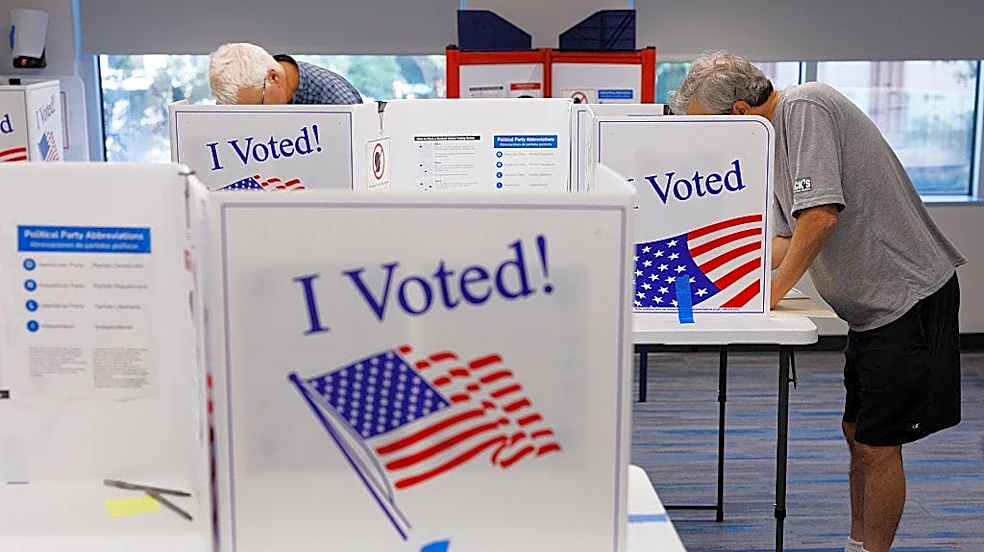
This year's midterm elections narrative casts those contests as a tug-of-war across the political spectrum, pitting enthusiasm-driven Democrats against Republicans eager to retain control of Congress.
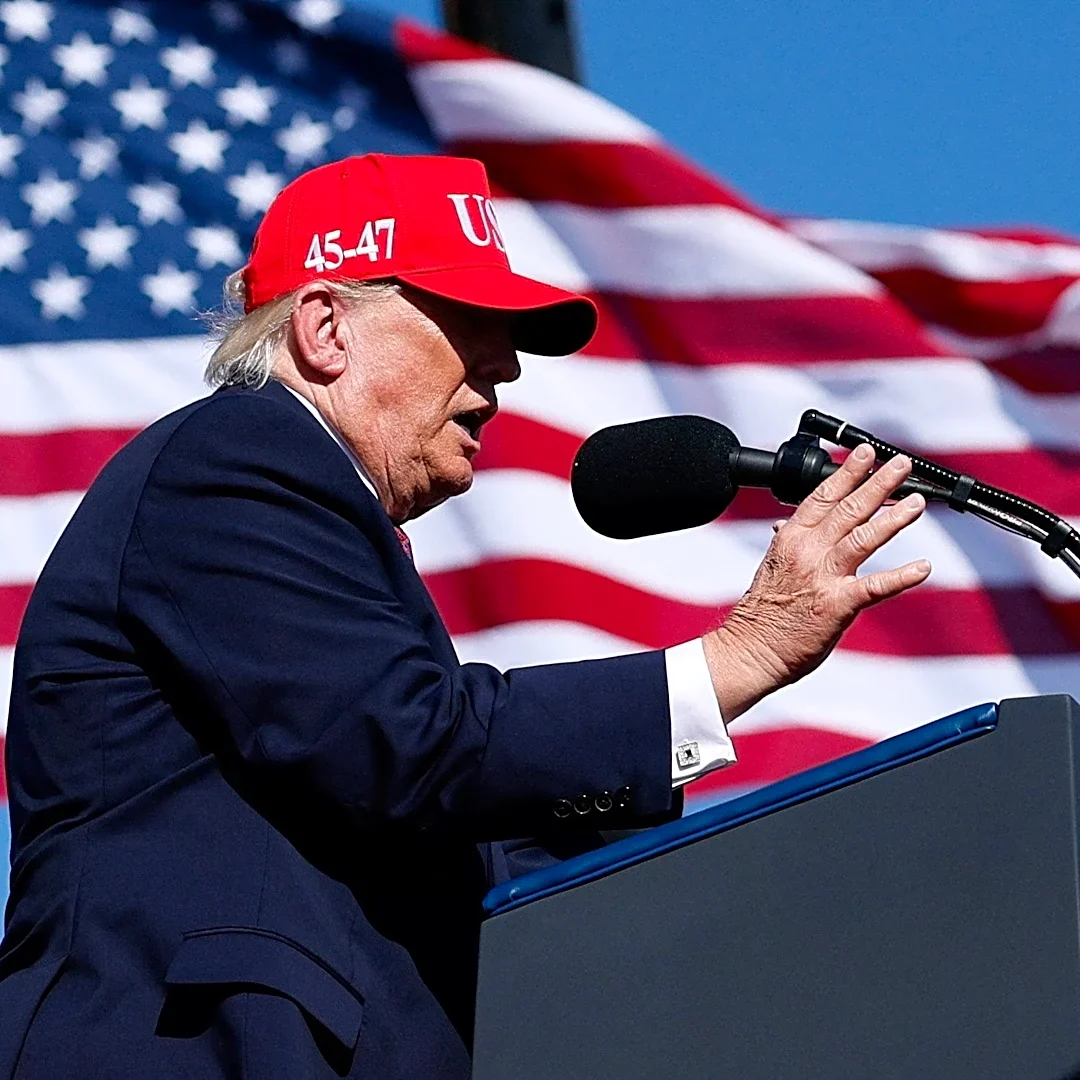
But one large and growing block of voters goes overlooked in that telling, probably because they make far less political noise than democratic socialists on the left and President Donald Trump's MAGA base on the right.
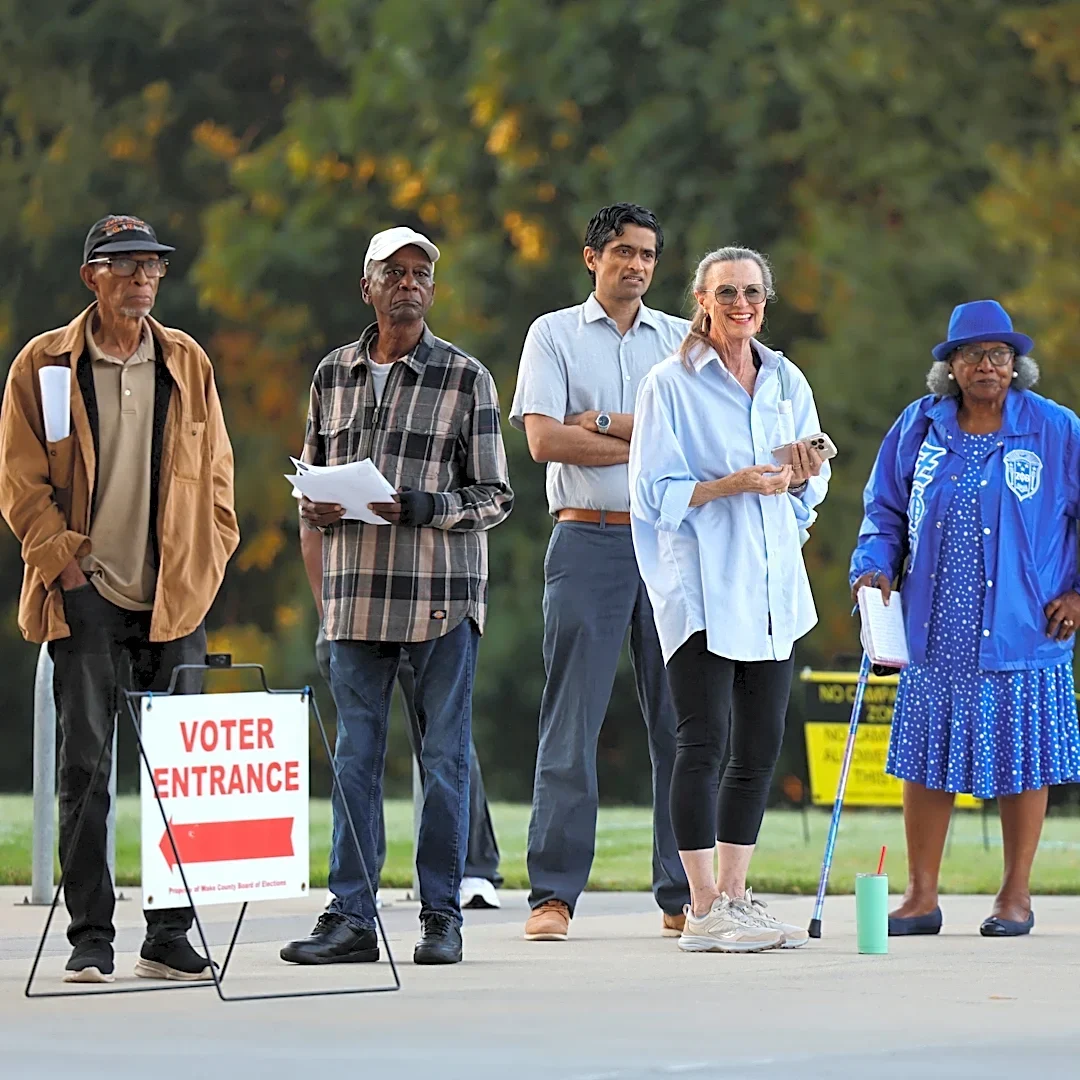
Independent voters will decide the midterms. They usually
do.
Independents can be challenging to define, as they have never been one homogeneous, like-minded group and come to their place on the voter rolls from different paths. So who are they?
Independent voters are the hardest voting block to understand

Joshua Dyck, a professor of political science at The University of Massachusetts Lowell, told me that independent voters break into two groups when questioned with a seven-point party identification scale, which measures attachment to a political party.
Two-thirds of independent voters actually lean toward the Democratic Party or the Republican Party as reliable partisan voters 80-85% of the time, Dyck said.
The rest – the professor called them "pure independents" – dislike politics and don't engage with the process. They cast their ballots based on "lived experience" in their personal lives, not partisan rhetoric. And he said pure independents can be three times more likely to not vote in elections.
The American National Elections Studies, a collaboration of four universities and funded by the National Science Foundation, set the number of "pure independents" or "independent independents" at just 6.7% of the electorate during the 2024 presidential election, based on the seven-point party identification scale.
Gallup's quarterly survey of party affiliation found that in the third quarter of 2026, 45% of Americans identified as independents while 30% called themselves Democrats and 25% identified as Republicans.
Ken Goldstein, a professor of politics at the University of San Francisco, told me that "there is probably no more profoundly confusing group than independents, because you're really putting lots of sorts of people in there." And, Goldstein said, it can be challenging to compare independent voting trends from election to election "because people will go in and out of that group."
What impact have independents had on federal elections?

Independent voters have tilted toward Democratic candidates in four of the past five federal election cycles for president and Congress from 2016 to 2024. And Trump appears to be a factor in which way they swing.
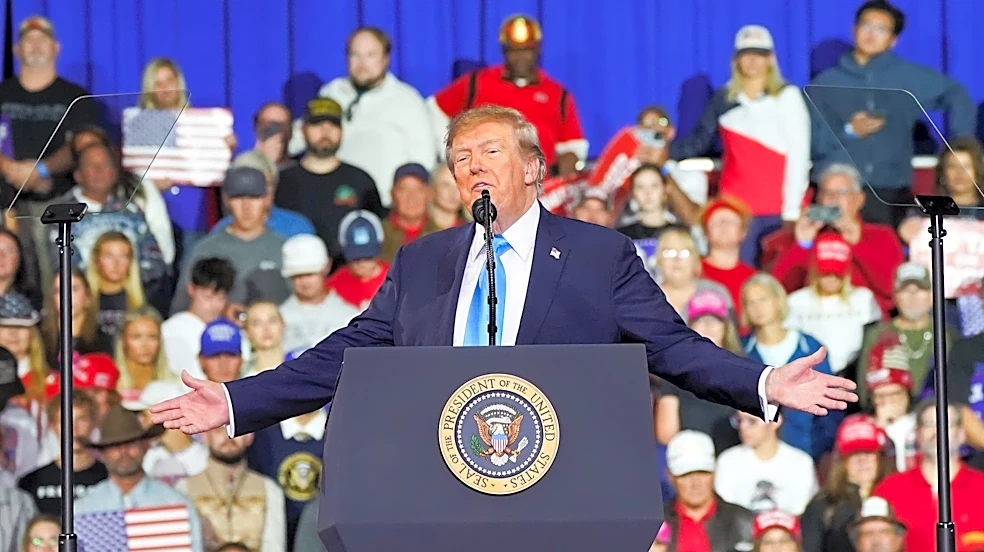
Independents helped Trump edge Hillary Clinton in the 2016 presidential election, leaning his way by 4 percentage points. That marked the beginning of the end for Trump and independents, who swung toward Democrats running for Congress by a margin of 54% to 42% over Republicans, in the middle of his first term.
Democrats picked up 41 House seats in 2018, thanks in part to voter concerns about economic issues and Trump.
Independents helped defeat Trump in the 2020 presidential election, with 54% supporting Joe Biden to 41% for Trump. The margins were much closer in the middle of Biden's term, with independents favoring Democrats in congressional races by just 2 percentage points.
The backing of independents was not enough to help Kamala Harris head off Trump's return to office in the 2024 election, when they favored her over him by 3 points.
Experts say independents won't help Republicans in midterms

The trend of independents backing Democrats looks likely to continue when Election Day arrives on Nov. 3. A New York Times/Sienna Poll released Sept. 14 asked independent voters if they lean toward a political party: 57% said they favor Democrats, while 33% said Republicans and 10% did not know or would not say.
Larry Sabato, director of the University of Virginia's Center for Politics, told me he has seen projections that independent voters this year lean as hard as 70% to Democrats, compared with 30% to Republicans. He added that those numbers "realistically" will be closer to 60-40% on Election Day.
Democrats, Sabato told me in an email, "are enthusiastic and angry," while Republicans are mostly sticking with Trump, and he expects turnout for those voters to be down on Election Day. And independents?
"Independents seem to have had their fill of Trump, and the Iran war, and high gas/diesel prices, and grocery costs, and corruption," Sabato said. "It’s one of the reasons Republicans are not going to do terribly well in the end."
A Sept. 15 Economist/YouGov poll showed that 54% of self-identified independent voters would support a Democratic candidate for Congress in a generic ballot survey, while just 27% leaned Republican and 19% were not sure.
A midterm ballot tracker compiled by Morning Consult shows Democrats up 15 percentage points with independent voters, a 12-point shift since Trump started his second term in January 2025.
Goldstein noted that so many elections are being decided by narrow margins because there are "vanishingly few number of people who changed their minds from election to election." That makes motivating independents, especially those who have swung Republican in the past, so important.
"If I'm a Democrat and I get a Democrat out to vote, that's plus one," Goldstein said. "If I'm a Republican and I get a Republican out to vote, that's plus one. If I get someone to vote for me who voted for the other side the last time, that's plus two. Because it's minus one from the other side and plus one for me."
Dyck told me that midterms are about motivated voters, and that independent voters who lean Democrat are "energized" while independents who lean Republican are not.
"I think we're going to see a big turnout surge among independents who lean towards the Democratic Party," Dyck said. "Leaning Republicans are not as energized ... because they control the reins of government right now. When you govern, it also gives you more things to be angry at your party about, especially if you're ... just weakly attached."
All signs point to voters being angry. Democrats will benefit from that
The notion of voter anger kept coming up as I did interviews for this column.
Chad Peace, legal adviser for the Independent Voter Project, a nonprofit that advocates for allowing independent voters to cast ballots in primary elections, said Trump capitalized on voter anger in 2016 and 2024. He called Trump "the bull in the China shop" at a time when voters felt their elected officials had failed them.
"And now there's some people going, you know what, I don't like this administration either," Peace said. "The shoe is on the other foot because the administration that was the rebels, so to speak, is now the institution. People are starting to wake up to the reality that we didn't end up with better representation."
Independent voters, Peace added, will end up in the midterms "where their vote is going to send the biggest message that they're unsatisfied."
Democrats are enthusiastic and angry. Republicans seem demoralized and wary. Independents, known for moving around on the political spectrum, seem headed steadfastly in one direction this year – toward Democratic candidates.
The polling and the experts I spoke to are in sync – independent voters will bring to the midterm ballot a serious sense of dissatisfaction that will swing the midterms away from Trump and the Republicans.
Follow USA TODAY columnist Chris Brennan on Bluesky, @bychrisbrennan.bsky.social, and on X, @ByChrisBrennan. Sign up for his weekly newsletter, Translating Politics, here.
This article originally appeared on USA TODAY: Independent voters will decide the midterms. Who are they? | Opinion