







Seasonal temperature changes every autumn lead to resource scarcity which forces mice, rats and other small animals to seek out more comfortable accommodation.

The warmth, food and shelter offered by the typical house or garage make them a prime target for these furry pests. Luckily, signs of infestation are easy to spot.
It’s always better to prevent this from starting by keeping wildlife out of your home in the first place, which is a major benefit of OrkinShield installation. Here, we’ve outlined how to tell if your home is at risk and the benefits of calling an Orkin Pro to look at your house.
Why cooler temperatures drive rodents indoors
For any animal in nature, resources like food and shelter are always front-of-mind. Both are available in abundance in warmer months, as summer means
grass, herbs, seeds and more are easy to come by. More growth on plants and trees also equals easier-to-find shelter for rats and mice. Combined, these make survival easier.
We tapped Dr. Shannon Sked, the National Technical Director at Orkin, for his expertise on the matter. He had this to say, “As temperatures drop in the fall, places like homes, garages and sheds become attractive because they can offer stable temperatures and dependable resources.”
However, this is only half of the reason for elevated rodent presence in your home once the leaves change, “Additionally, food resources for predators become [more scarce] in the winter months, making rodents more attractive to those predators,” Sked added.

OrkinShield
A package of rodent control measures around the exterior of your home, OrkinShield aims to prevent entry rather than eliminate existing infestations.
Get a free home inspection + $100 off OrkinShield
Commons signs of rodent activity
There are several telltale signs that your home has some new fuzzy inhabitants. Some of these may be obvious to those who live in colder climates. They include:
- Droppings: This is often the first sign homeowners spot. Brown, rice-grain-shaped droppings, often clustered in a corner or along a baseboard, can indicate rat or mouse presence.
- Gnaw marks: Aside from a telltale hole in your baseboard, chewing or bite marks along lower drywall or wood can clue you in to a potential issue. Rats and mice also tend to bite wiring, which presents a fire hazard.
- Odors, including ammonia: Smelling a musty or sharp ammonia scent given off by urine can easily give away a rodent’s nesting location.
- Loose nesting materials: Houses are full of the insulating items rodents love. These include natural fibers, cardboard or paper, fiberglass insulation and fabric, aside from leaves or grass brought in from outdoors.
- Rustling or grinding noises: Especially at night, rustling in your cabinets or walls or chewing sounds can resonate and be audible.
Contacting an Orkin Pro is always a good call if you’re suspicious of rodent activity in your walls. In the meantime, Dr. Sked gave even more advice on determining a rodent infestation’s epicenter, “Evidence concentrated along walls, near food sources or in quiet, undisturbed spaces can help narrow down where rodents are traveling or nesting.”
Common rodent entry points around the home
Rodents can squeeze through cracks and holes that are far smaller than you might think. A ¼-inch hole is enough for some mice to make it into your home, while a ½-inch gap is enough of an entry point for a rat.
Mice, rats, chipmunks and similar animals typically take advantage of seams around your home’s exterior. Small gaps between your foundation and siding, basement window seals, vent outlets and rooflines can all be exploited for entry.
How Orkin Pros identify hidden vulnerabilities
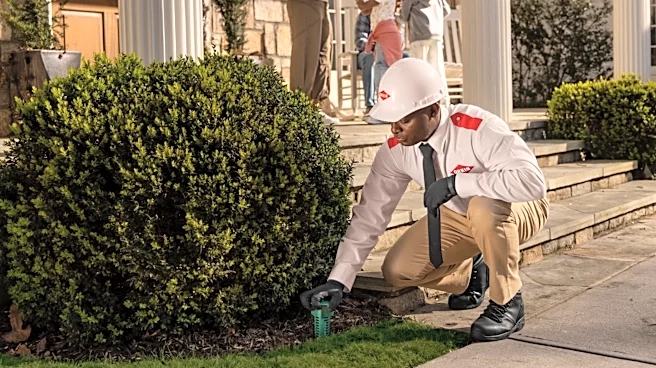
Orkin Pros are trained to spot and remediate major signs of rodent entry into your home. Whether you’ve noticed gaps in your foundation or siding or have a large mouse presence around your house, booking your own consultation is free, and is a worthwhile step to take.
Finding entry points homeowners may miss
All OrkinShield processes begin with a free inspection. For this an Orkin Pro will assess all exterior areas immediately around your house to locate potential gaps. Dr. Sked once again lent his expertise, stating:
“We often find access around plumbing and utility lines, beneath garage doors, along foundations or in places where different building materials meet. Crawlspaces, especially those that are unfinished or unsealed, are often the primary access.”
Assessing signs of current or past rodent activity
Your Orkin Pro will inspect all the above entry points to determine if there is an active rodent infestation. This inspection will mainly focus on the lower levels of your home. Your foundation, exterior siding and first floor windows will all get close assessments to check for gnawing or bite marks or any gaps that could accommodate mice or rats.
Inside your home, you can supplement this by checking higher-moisture areas, darker locations or any place with easily accessible food sources. Rodent droppings can spread disease, aside from being unsanitary.
After this inspection, your Orkin Pro will be able to draw up a more concrete plan for OrkinShield exclusionary measures.
How OrkinShield helps prevent rodent entry
Rather than relying on chemical treatments, OrkinShield offers a physical solution to potentially damaging future pest entry into your home. Once you’ve received a quote, you’ll schedule a service date.
This package’s primary preventive measure involves installing a metal barrier around all gaps where rodents can enter your home. These services focus on the gap between your foundation and siding, and the “builder’s gap” between your fascia and roofline under your gutters.
Why exclusion is a proactive approach
Rodent removal can be an extremely expensive and time-consuming process. Once they’ve entered your home and established nests, breeding pairs can quickly turn a small issue into an all-encompassing problem. Mice can produce between five and 10 litters per year, of five to six pups each.
Dr. Sked states, “Identifying activity, limiting access to food and shelter, and closing off potential entry points can reduce the conditions that allow a small rodent problem to become an established infestation.” If you suspect rodent presence in your home, you should contact Orkin for an inspection today.
Fall prevention steps homeowners can take today
Before you get to the point of needing professional assistance, you can take a few steps to prevent rodent entry into your home. Many of these are simple and straightforward:
- Seal gaps in your windows and siding: You may need to call a window or siding pro to fully address this, but spotting gaps around your home will only require some time and attention. Avoid using expanding foam or caulk as a long-term solution to these, as some mice or rats can still make their way through this material.
- Check windows and doorways: Applying weather sealing in windows and in door thresholds is typically a DIY task that requires little in the way of tools or expertise.
- Place screens on vents: Dryer or bathroom vents and chimneys are easy points of entry into your home. Fine mesh screens for vents or a chimney cap will prevent rodents from accessing your home if well-secured.
- Maintain your yard: Trimming growth, especially near your foundation, can eliminate many shelter points for mice or rats immediately around your home.
- Properly store your food: Once rodents make it inside your home, they will immediately begin to search for a food source. Plastic, metal or ceramic containers for perishables can make it difficult to find sustenance and reproduce once rodents are inside.
Get a free inspection + $100 off OrkinShield
Frequently asked questions
What are the first signs of rodents in a house?
Telltale signs of rodent infestation include droppings (especially near food sources), bites taken out of low-positioned wood fixtures, tufts of fur and nesting material and late-night noises in your walls.
How do mice get into a home?
Mice can enter a home through any number of gaps of just ¼ inch or more. The most common of these are gaps in window seals, rotten plank ends in exterior side walls, siding imperfections and other similar flaws in weatherized components around your house.
Can rodents climb onto roofs?
Yes, rodents can make it to your roof. This is why a standard inspection from an Orkin Pro will include your roof and attic areas. Squirrels and chipmunks can easily make it to the upper levels of your home and do damage to your insulation, weather siding and insulation, so it’s important to take preventive measures.
What is rodent exclusion?
Rodent exclusion is the act of effectively “rodent-proofing” your home. Whether you already have rodents in your home or not, this involves blocking all exterior means of entry. With OrkinShield, this involves installing a metal barrier around your home that encloses any gaps between siding and your foundation.
USA TODAY Shopping will be covering all the best deals and drops, so be sure to check us out on Flipboard, follow us on TikTok, sign up for our newsletter and follow us on Instagram to stay updated!
This article originally appeared on USA TODAY: Help keep rodents outdoors and out of your home this winter
Our editors independently choose our recommendations. Some content is produced with paid support from a third party, however our editorial decisions remain independent. If you buy through our links, the USA TODAY Network may earn a commission. Prices and availability may change.