






Pizza is one of those rare foods that seems to work for almost any occasion. Whether it's a wood-fired pie at a favorite restaurant, a quick slice grabbed for an on-the-go lunch, a delivery box opened in front of the big game or an easy dinner when nobody feels like cooking, we eat a remarkable amount of it. With more than 61,000 pizzerias across the U.S., Americans eat an estimated 350 slices of pizza every second, or about 23 pounds per person each year.
But is all that pizza good or bad for us? And when a few slices inevitably end up in the refrigerator, what’s the best way to reheat them? Here's what to know.
Is pizza good for you?
Pizza can provide a surprising number of important nutrients, though its nutritional value varies considerably depending on how it's
made and what it's topped with.
Tomato-based pizza sauce is a staple on most pizzas, for instance, and contains lycopene, "an antioxidant that’s been linked to reduced inflammation and heart health benefits," says Alex Larson, a registered dietitian, endurance athlete nutritionist and founder of Alex Larson Nutrition. Tomato sauce also provides potassium, which helps support healthy blood pressure and normal muscle and nerve function, plus vitamins A and C, which are important for immune function, vision and tissue health.
Cheese is another common ingredient, "which adds protein and calcium," notes Larson, nutrients that help maintain muscle and support stronger bones and teeth.
Toppings can make pizza even more nutritionally diverse, as "adding one or two vegetable toppings adds flavor, fiber and many more nutrients," says Abbie Gellman, a registered dietitian and New York City-based chef. Fiber is essential for digestive health and can help with feelings of fullness.
And vegetable and fruit toppings like tomatoes, bell peppers, spinach, mushrooms, pineapples, olives, onions and broccoli, can contribute nutrients such as vitamins A, C and K. They also include potassium and folate, which support functions ranging from immune and cardiovascular health to healthy blood cells.
"I also often recommend adding more protein through some leaner meat toppings such as prosciutto or tiny meatballs," Gellman says. She explains that protein is important for maintaining and repairing muscle and other tissues and can help make meals more satisfying.
Even the crust can contribute useful nutrients. Larson notes that whole-wheat or whole-grain crust generally provides more fiber and micronutrients such as magnesium than crust made primarily from refined white flour.
How often can you eat pizza?
Such nutritional advantages – and pizza's ability to combine so many food groups in one dish – don't mean it's something to eat without limits. "Portion size is what matters quite a bit here, and moderation is key," says Gellman.
One big consideration is calories. For instance, one slice of pepperoni pizza can pack 338 calories, meaning three slices can add up to more than 1,000 calories – more than half your daily calorie intake, if you're following a 2,000-calorie diet.
Gellman also notes that saturated fat is another thing "to look out for." Cheese and fatty meat toppings can make some pizzas particularly high in saturated fat, and the American Heart Association recommends limiting saturated fat because consuming too much can raise LDL, or "bad," cholesterol, which increases the risk of heart disease and stroke.
Commonly used processed meat toppings such as pepperoni and sausage are another consideration, as the World Health Organization's International Agency for Research on Cancer classifies processed meat as carcinogenic to humans based on evidence that consuming it increases colorectal cancer risk.
Larson also warns about sodium content. "A couple of slices from a large delivery pizza can easily push you toward your daily sodium limit before you've had anything else," she says. This matters because consistently consuming too much sodium can raise blood pressure, a major risk factor for heart disease and stroke.
How to reheat pizza
Such considerations don't mean "pizza should be inherently off limits though," says Larson. And no matter what kind of pizza you prefer, leftovers are often part of the experience. But she stresses that food safety comes first as pizza should be refrigerated within two hours rather than be left sitting out. U.S. Department of Agriculture guidance also recommends eating pizza within three to four days of being placed in the refrigerator.
When taking out of the refrigerator to reheat one or two slices, a skillet is a popular way to revive leftover pizza. To do so, place the slices in a nonstick or lightly oiled skillet over low to medium-low heat and cover the pan. The direct heat helps re-crisp the bottom of the crust, while the lid traps heat, so the cheese and toppings warm through without the crust becoming excessively dry.
For several slices, an oven or toaster oven is more convenient. "Reheating pizza in the oven helps pizza not get soggy and retains a good texture in the crust, cheese and toppings," advises Gellman. An air fryer can also work well for a small number of slices, similarly producing a crisp crust relatively quickly.
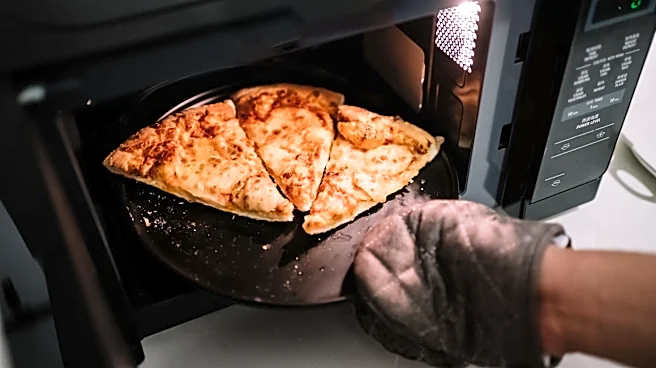
And while many people opt for the microwave because it's the fastest option, Gellman points out that there is a trade-off, since microwaving tends to leave the crust softer or chewier rather than crisp.
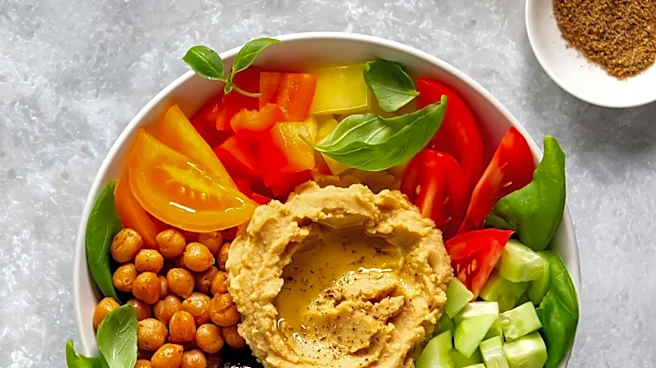
Whether you enjoy pizza right out of the box or prefer to heat up leftovers though, there are simple ways to improve its nutritional profile. "Choosing thinner crusts, loading up on vegetable toppings and pairing with healthy side dishes," says Larson, "can all make a meaningful difference."
This article originally appeared on USA TODAY: Love pizza? Here's the best way to reheat it