







By this point, most people interested in their health and wellness know the effects of stress reach far beyond our minds.
Stress invades our bodies at the cellular level. But they might not know about oxidative stress, which is an imbalance of two types of molecules, free radicals and antioxidants, Cleveland Clinic says. This type of stress causes free radicals to harm your body from the inside, damaging lipids and proteins, and has been linked to the onset of a wide variety of serious diseases from cancer to dementia.
Fixing oxidative stress isn’t as simple as taking in more antioxidants, though that can help. Here’s what to know about oxidative stress, and how to prevent it from contributing to future illnesses.
Causes of oxidative stress
Before it can be solved, it can be prevented.
Cleveland Clinic shares that regular stress, alcohol, sun, smoking and environmental toxins are often the culprits. You might not know you have this, and might not have any symptoms. Over time, it can build up and cause damage, from skin damage from the sun to cardiovascular disease and more.
Rebalancing cells to reduce oxidative stress
To minimize this, you can control what you eat, as adding antioxidants to your diet can help rebalance cells. Lauren Manaker, registered dietitian at Nutrition Now Counseling, says diagnosing this issue isn’t as simple as a single test, and that most clinicians help people find out they have it based on risk factors, symptoms, health measures and conditions associated with its damage.
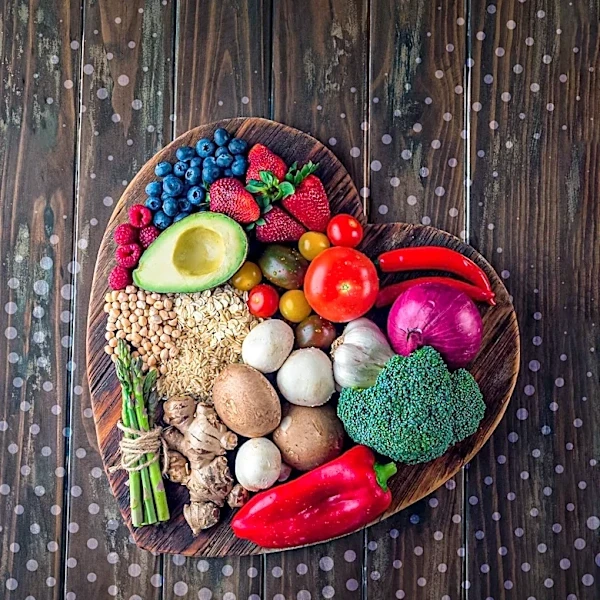
"Diet can have a meaningful effect. A pattern built around whole, minimally processed foods tends to support the body’s antioxidant defenses and reduce chronic inflammation," she says. "Foods people may want to eat more often include berries, leafy greens, cruciferous vegetables, beans, lentils, nuts, seeds, olive oil, whole grains, herbs, spices and fatty fish."
She recommends discussing with your physician if supplements are helpful. "There are vitamins and supplements that are marketed for oxidative stress, including vitamin C, vitamin E, selenium, coenzyme Q10 and others. But supplements are not a guaranteed fix, and more is not always better."
How to know oxidative stress is improving
You can’t exactly see inside your body to measure your cells periodically. Manaker says you might know it’s improving through more indirect changes, like "better energy, improved sleep, better blood pressure, steadier blood sugar, improved cholesterol or inflammation markers, better exercise tolerance and overall feeling better."
Most importantly, prioritizing exercise and reducing stress and alcohol consumption are extremely important moves you can make to reduce oxidative stress.
This article originally appeared on USA TODAY: What you can do to improve oxidative stress