





Trick-or-treaters need not worry about the clock switch impacting their Halloween plans.
Daylight saving time is on track to end Nov. 1, and those planning to maximize Halloween can squeeze in an extra hour of late-night fun or sleep. The two events are overlapping this year in a rare instance that last happened in 2020, the year of COVID, and will not happen again until 2037. Leap years 2028, 2032 and 2036 shift the day of the week, and the next Saturday Halloween will happen after more than a decade, according to Today.
Despite President Donald Trump's efforts to end the twice-yearly clock switch and make daylight saving time permanent, the Sunshine Protection Act, passed by the House in July, remains stalled while the Senate is in an extended
election recess.
The current law on daylight saving time − the Uniform Time Act of 1966 − was enacted under President Lyndon B. Johnson's administration, and only Congress has the authority to change it.
Here's what to know as Halloween and the clock switch falls on the same weekend.
When does daylight saving time end in 2026?
Daylight saving time ends at 2 a.m. local time on Sunday, Nov. 1, when clocks move back one hour to 1 a.m.
The change marks the return to standard time and gives Americans an extra hour of sleep. It also brings earlier sunsets and more daylight each morning as winter approaches.
Will daylight saving time affect Halloween?
The clock change is unlikely to impact Halloween, considering the day (Oct. 31) would already be over by the time daylight saving time ends and clocks jump back an hour from 2 a.m. to 1 a.m. local time.
The good news, however, is that those looking to get an extra hour of spookiness post-midnight will be able to do so. The clocks falling back also gives Halloween-goers an extra hour of sleep to recover from all the trick-or-treating.
Trump wants to end clock changes
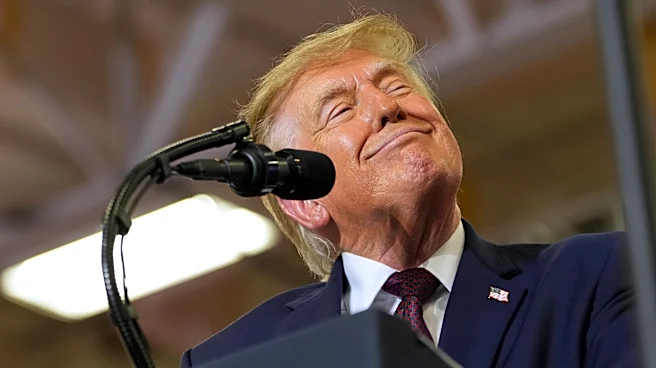
Trump has long supported ending the twice-yearly clock changes, dating back to his first term in office.
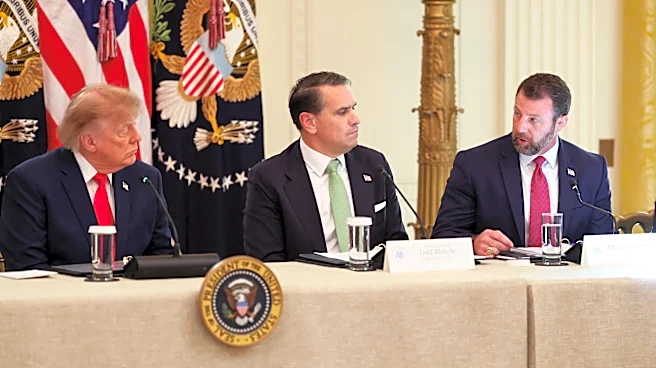
Most recently, on Monday, Oct. 26, Trump criticized the Senate for not passing the Sunshine Protection Act that would end the twice-yearly clock changes.
"The United States Senate is letting the Daylight Saving Bill die, when a vast Majority of the Country want it," Trump said in a Truth Social post. "Most people are demanding light in the evening, but ALL want not to change their clocks anymore."
"TAKE A VOTE!" he asserted.
The Sunshine Protection Act, introduced by Rep. Vern Buchanan, R-Florida, passed the House in July but has since failed to clear the Senate, the last step before it lands on Trump’s desk for final sign-off.
Will the Senate pass the bill?
That's far from certain.
Even with support from Trump and lawmakers in both parties, Senate Majority Leader John Thune, R-South Dakota, has questioned whether enough senators support the legislation.
When will Congress vote on permanent daylight saving time?
For now, no Senate vote has been scheduled, and it's unclear whether the chamber plans to take up the bill when its extended recess ends Nov. 6.
Do Americans want clock changes to end?
Polls suggest many Americans support ending the practice.
A 2023 YouGov survey found 62% of Americans favored ending the time changes. A January 2025 Gallup poll similarly found that 54% wanted to eliminate the practice.
Yet Americans remain divided on what should replace it.
Some support permanent daylight saving time, which would provide more daylight in the evening. Others favor permanent standard time, which would bring more morning sunlight during winter months.
The debate gained additional attention in March 2025 when Elon Musk, then leading Trump's Department of Government Efficiency, conducted a poll on X asking users whether they preferred clocks staying an hour earlier or later if the changes were eliminated.
More than 1.3 million users responded, with 58% favoring later daylight and 42% preferring earlier daylight.
Contributing: Reuters; Bart Jensen, Zachary Schermele, Jorge L. Ortiz, Fernando Cervantes Jr., Emily DeLetter, Julia Gomez, Kinsey Crowley, Marc Ramirez / USA TODAY
Saman Shafiq is a trending news reporter for USA TODAY. Reach her at sshafiq@gannett.com and follow her on X and Instagram @saman_shafiq7.
This article originally appeared on USA TODAY: How daylight saving time ending could impact Halloween