



It's been a hot, dry year for the southwestern United States, and water levels on the Colorado River are low, raising questions for Southwestern urban dwellers about whether cities like Las Vegas will run out of water in the near future.
The concern is understandable.
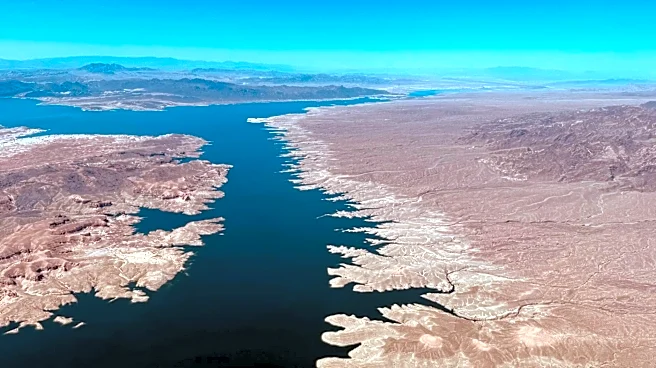
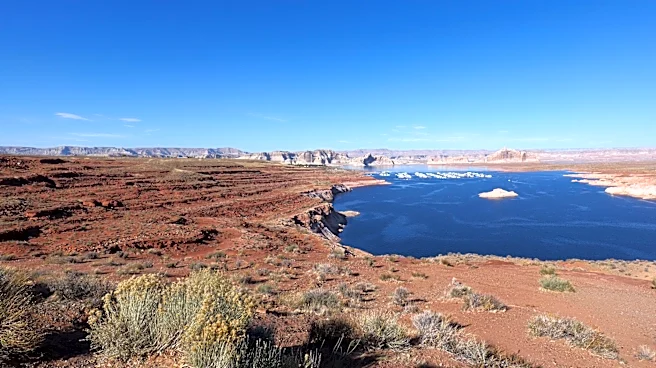
Lake Powell was 23.4% full on July 19. It was last full in 1983. If its level falls more, that could create an environmental catastrophe by stopping the river from flowing through the Grand Canyon, a situation known as "dead pool," which could cause energy and agricultural problems for some parts of the Southwestern U.S.
This decrease in water supply comes at a time when the federal government expects Nevada to reduce its use of Colorado River water by 28% as part of a two-year agreement
while Nevada and the six other states needing water from the Colorado River attempt to reach a long-term water agreement.
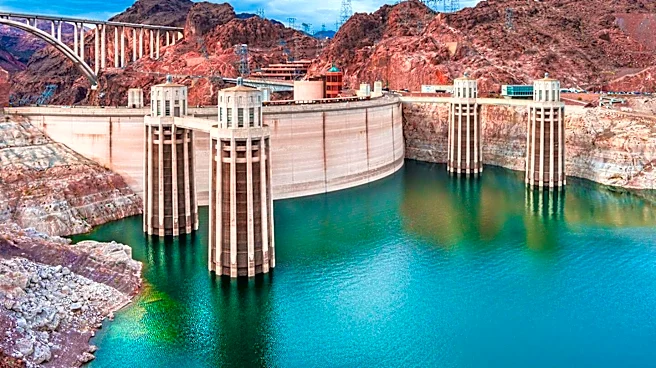
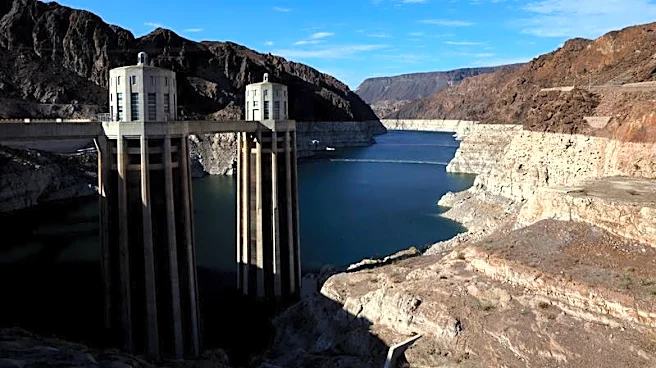
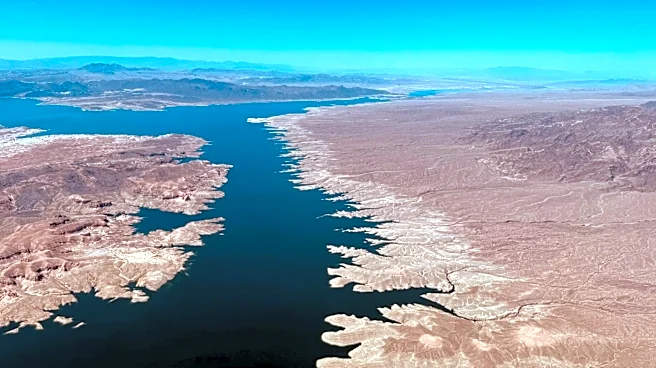
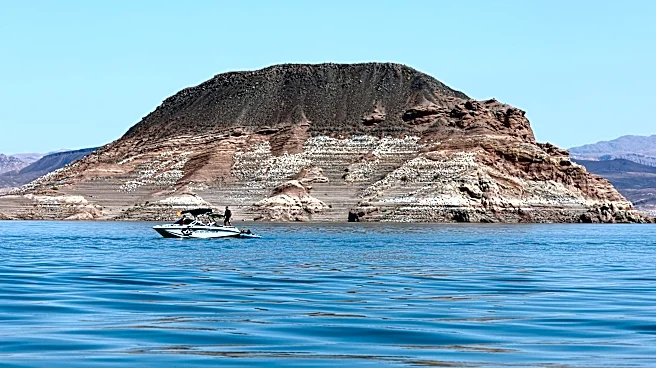
Meanwhile, Lake Mead is reaching historic lows, and Lake Powell (which Lake Mead gets water from as it is upstream and releases into the Southern Nevada lake) is the emptiest it has ever been this late in the summer.
So, is Las Vegas headed towards an era where the city runs out of water?
The short answer is no. For the long answer, read on.
Is Las Vegas running out of water?
Las Vegas residents will not run out of water any time in the foreseeable future.
Though Las Vegas gets 90% of its water from Lake Mead, consistent conservation efforts for the last 25 years have helped Southern Nevada reduce its water use by 40% since 2002 despite its 55% growth in the same time frame, the Southern Nevada Water Authority said on its website and in past reports.
Though Las Vegas water is unlikely to run out in the near future, the Colorado River water crisis could still create ripple effects nationwide.
Nearly half of the country's vegetables and more than three-quarters of its fruits and nuts are grown in California, according to the state's Food and Agriculture Department. A substantial amount of California crops are irrigated with Colorado River water. According to the Environmental and Energy Study Institute, about 52% of the Colorado River's water is used for irrigated agriculture. By comparison, about 18% is consumed by urban areas in the Southwest.
What is Las Vegas doing to conserve water?
Nearly all of Las Vegas' indoor water useis recycled, meaning the issues of conservation now lie with outdoor watering and inefficient cooling systems.
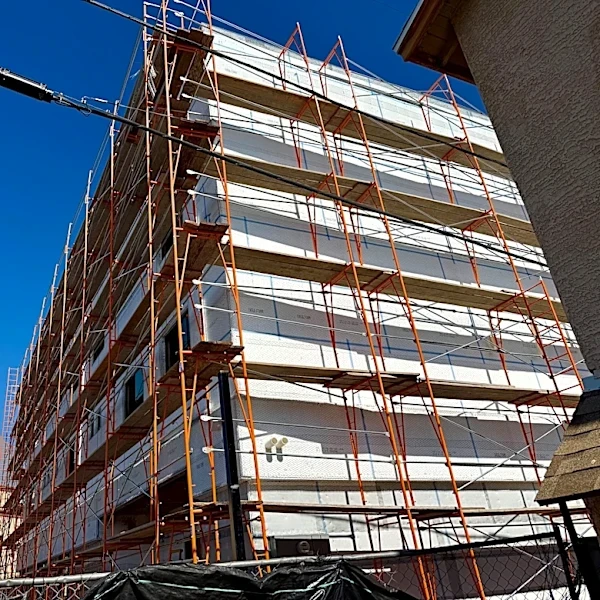
Reducing outdoor watering has taken the form of replacing grass landscaping with trees and other plants watered through drip irrigation, offering a paid lawn replacement program for Las Vegas residents and prohibiting lawns for new commercial and residential developments. There is also a moratorium on evaporative cooling on new industrial and commercial buildings in Las Vegas.
What is Lake Mead's water level currently at?
On July 28, Lake Mead is at 1,041 feet elevation, near its all-time low of 1,040 feet in July 2022, according to the Bureau of Reclamation.
Swasti Singhai with USA TODAY contributed to this report.
This article originally appeared on USA TODAY: Is Las Vegas running out of water? See the city's conservation efforts