






Multiple injectable drugs from the same company have been recalled over potential fiberglass and metal contamination.
Baxter International Inc. voluntarily recalled two injections used to provide nutrition, water and electrolytes to patients. A third injectable, an anticoagulant, or substance used to slow blood clotting, was also recalled, but only affected one patient.
The medication solutions could be contaminated with fiberglass or stainless steel particles, according to Food and Drug Administration notices published Aug. 25 and Aug. 26.
Injecting these medications could result in blockages, clotting issues and tissue or organ injury, according to the notices. While the supplies were sent mostly to healthcare facilities and distributors in several
states, they could also be in at-home healthcare settings, per the FDA.
USA TODAY contacted Baxter for comment Aug. 27, but has not received a response.
Which medications were recalled?
Recalled Baxter medications include:
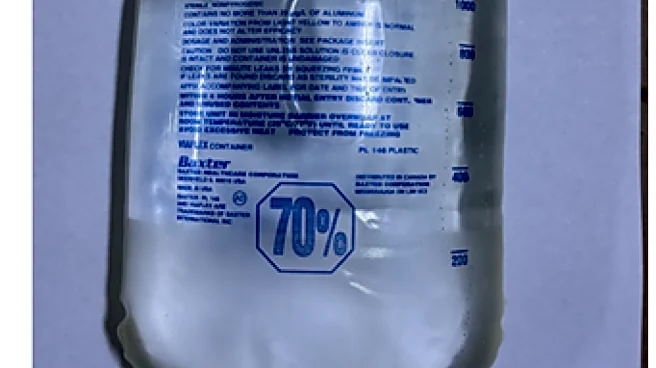
- 70% Dextrose Injection, USP in 2000 mL in a Viaflex plastic container.
- 0.9% Sodium Chloride Injection, USP, 500 mL in a Viaflex plastic container.
- Anticoagulant Sodium Citrate Solution USP, 250 mL in a Viaflex plastic container, was also recalled, but the FDA noted it was only distributed to one customer.
Nutrition injection recalled for stainless steel fragments
The 70% Dextrose Injection is a liquid solution that is mixed with other fluids and used to provide calories and nutrition through a person's veins when they cannot consume necessary nutrients by mouth or through a feeding tube.
One lot of 70% Dextrose Injection was recalled because it may contain stainless steel fragments. Injecting a solution contaminated with metal particles can cause blockage or clotting in blood vessels, which can lead to life-threatening health effects, such as blood clots in the lungs or the disruption of blood flow to vital organs, according to the FDA. In less severe cases, it can cause allergic reactions, vein irritation or inflammation.
The impacted products were sold between July 25 and July 28 to healthcare providers and distributors in several states, including Alabama, Georgia, and Tennessee. No adverse reactions have been reported.
Water and electrolyte injection recalled for fiberglass
The 0.9% Sodium Chloride Injection is often used as a source of water and electrolytes, again given through the veins when a person can't get what they need through eating, drinking or other medical treatments. Sometimes, it is also used during medical procedures, like blood transfusion and hemodialysis (a medical procedure that helps the body filter waste when the kidneys can't).
Two lots of the sodium chloride injections were recalled because they may contain fiberglass. If injected, adverse reactions similar to those described above can occur, according to the FDA, including blood clots, blockages, blood supply issues and organ damage, as well as inflammation and irritation.
The impacted product was distributed between July 31 and Aug. 3 to healthcare providers and distributors in several states, including Florida, Illinois, Indiana, Louisiana, Maryland, Missouri, North Carolina, New Jersey, Nevada, New York, Ohio, South Carolina, Texas and Virginia. No adverse reactions have been reported.
How to check your medical supplies for recalled injections
The dextrose injections were sent to healthcare providers and distributors from July 25 to July 28 in Alabama, Georgia, and Tennessee. The affected drugs could be in home healthcare settings and in the hands of consumers providing or receiving at-home care, according to the FDA notice.
The injections are packaged in a 2,000 mL Viaflex plastic container, with six units per case. Additional information is in the table below.
The sodium chloride injections were sent to Florida, Illinois, Indiana, Louisiana, Maryland, Missouri, North Carolina, New Jersey, Nevada, New York, Ohio, South Carolina, Texas and Virginia between July 31 and Aug. 3. They are packaged in 500 mL Viaflex plastic containers, with 24 units per case.
They could also be in home healthcare settings and in the hands of consumers providing or receiving at-home care, per the FDA. Additional information is in the table below.
Customers can identify the products by locating the lot number and expiration date on the individual product and shipping carton, as shown below.


What to do with recalled medications
If you have any of the recalled injections, do not use them. The recalled products should be returned to the facility from which they came. Contact the healthcare distributor or facility that provided the injections to ask about their protocol for returning or disposing of them.
Consumers with questions can contact Baxter Healthcare Center for Service at 888-229-0001, Monday through Friday. If you have experienced any problems that may be related to taking or using these drugs, contact your physician or healthcare provider. Baxter is also contacting customers by email with instructions on how to identify and return the impacted products.
To report adverse reactions to the FDA, consumers can visit the FDA's MedWatch Adverse Event Reporting program either online, by regular mail or by fax. To submit a report online, visit www.fda.gov/medwatch/report.htm.
For mail or fax, download the form at www.fda.gov/MedWatch/getforms.htm2 or call 1-800-332-1088 to request a reporting form, then complete and return it to the address on the pre-addressed form, or fax to 1-800-FDA-0178.
This article originally appeared on USA TODAY: Healthcare company recalls multiple injectables. See affected drugs