




When it comes to improving your relationship with food, conventional wisdom often boils down to two messages: Eat less and eat healthier. But completely overhauling your diet to eat foods you dislike isn’t the only way to feel more refreshed.
Portion control, the practice of being more mindful of how much food you eat at one time, is strongly recommended by health experts as a strategy to support your health goals without tossing the foods you enjoy.
Here's what you need to know about portion control.
What is the goal of portion control?
Unlike dieting, portion control doesn’t necessarily mean eating as little as possible. It's finding an amount that fits your needs. This strategy can still allow you to eat the foods you love.
“The goal is not restriction, but eating enough to feel
satisfied while supporting your health goals,” said Lisa Young, a registered dietitian nutritionist, author of "Finally Full, Finally Slim" and an adjunct professor of nutrition at New York University.
Young said that as portion sizes have increased over the years, it's become easier to consume more than needed. She said most people can benefit from greater portion awareness, including people aiming to improve their weight management.
Is portion control good for you?
For most healthy adults, portion control is a “practical and sustainable habit” that can especially benefit people who frequently eat past fullness, finish large restaurant meals, snack directly from packages or struggle with controlling their weight, said Young.
She said you should think of portion control as a skill developed over time. Like with all new skills, there may be some growing pains that come with adjusting.
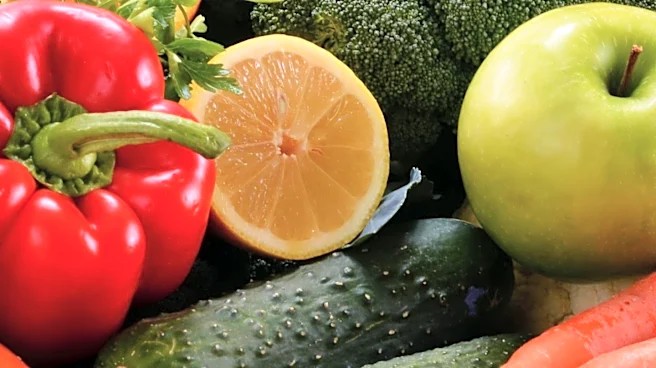
People used to large portions can initially feel hungrier, Young said. Still, building meals around high-fiber and high-protein foods, including vegetables, fruit, lean protein, legumes, whole grains and healthy fats, can improve satiety in the long run.
Eating slowly and tuning into hunger and fullness cues also helps, she added. Pausing midway through a meal to check in with your hunger is a good rule of thumb, and boxing half of a meal at a restaurant to bring home can also help.
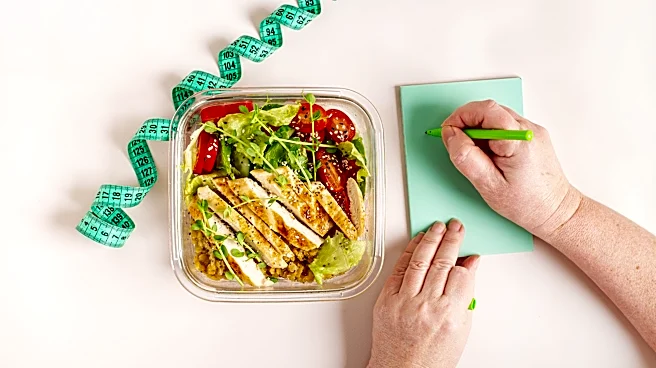
Other tips include sharing meals and making sure half the plate is filled with vegetables.
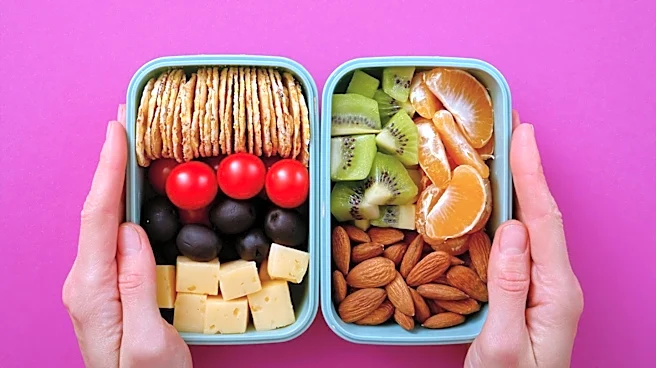
How you eat also matters: Young suggested a 9-to-10-inch plate instead of the standard 10.5 inches, and distributing snacks into bowls instead of eating straight from the package.
While portion control is OK for most people, Young said those with a history of eating disorders or medical conditions should consult a registered dietitian or health care provider before making changes.
This article originally appeared on USA TODAY: Why portion control matters