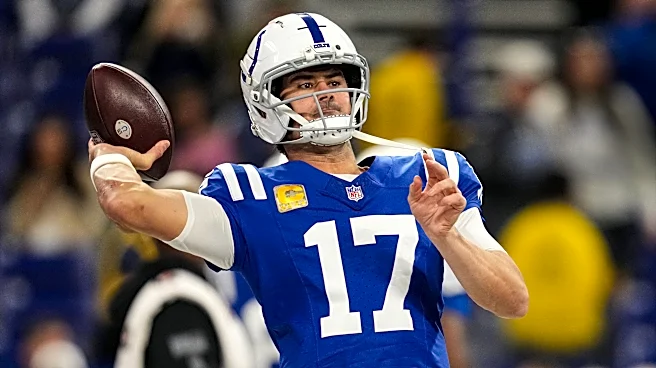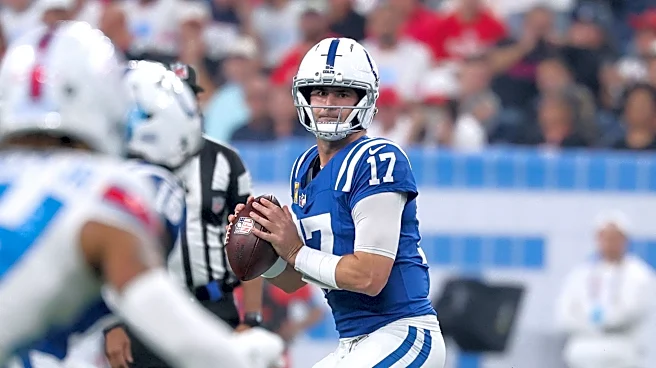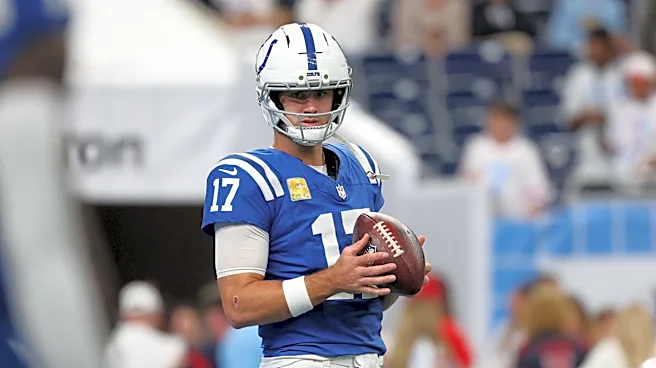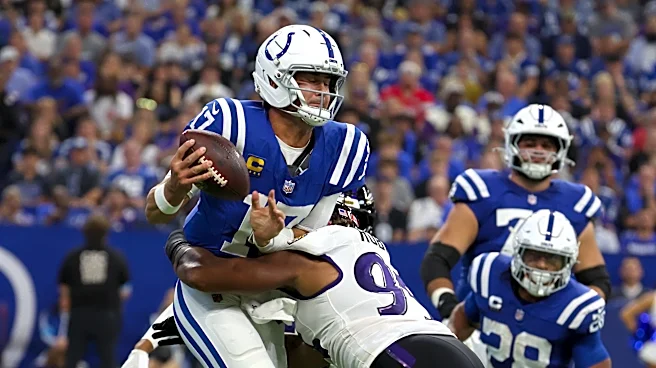

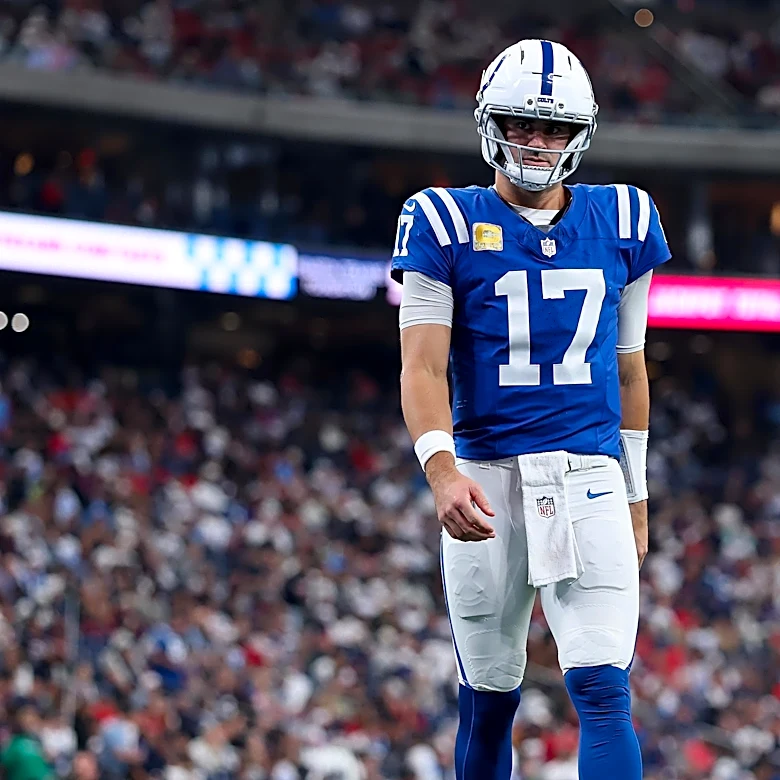

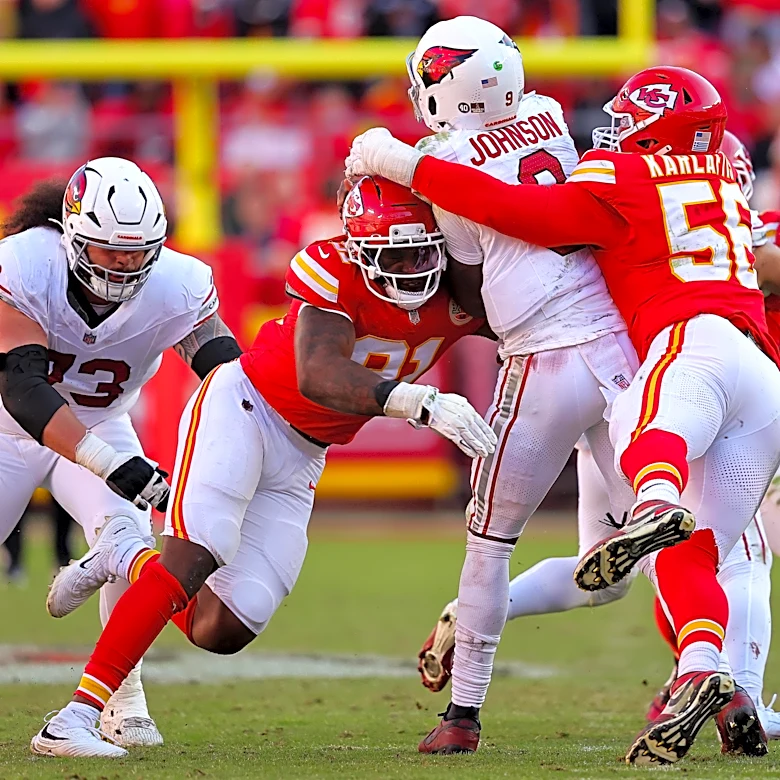
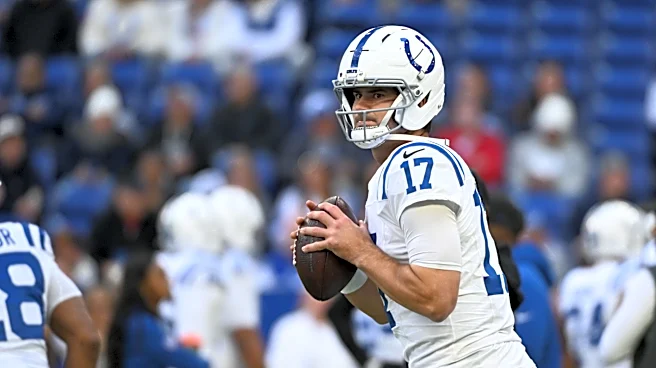
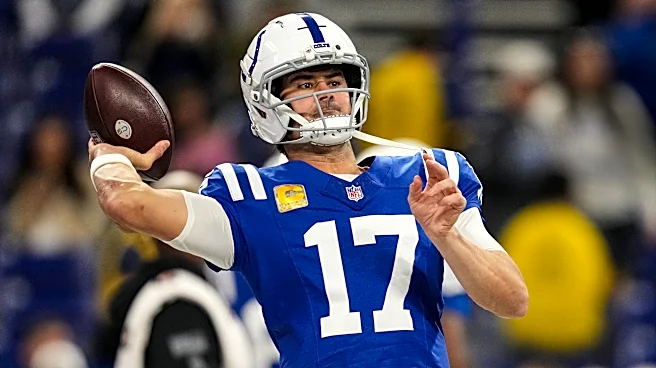
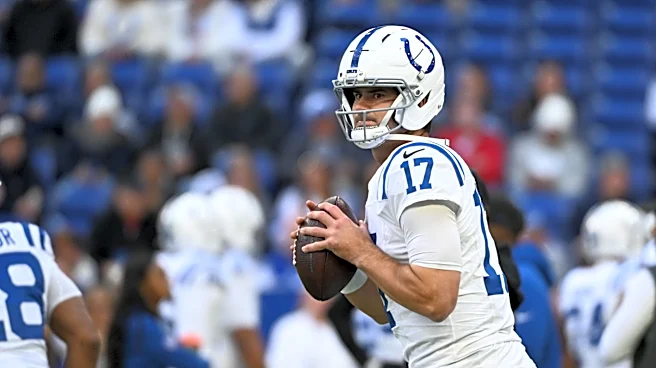
Quarterback Daniel Jones has fumbled 64 times in his eight-year NFL career, 11th-most among active players. But the biggest fumble of all involving Jones was off the field: the unforced error the Indianapolis Colts made this November.
Ahead of this year's NFL trade deadline on Nov. 10, the Colts had been contacted by multiple teams about trading the veteran quarterback. According to an ESPN report on Nov. 22, the Baltimore Ravens had sent an offer for Jones. Indianapolis turned aside all interested parties at the time, only to waive its starting quarterback 10 days later.
Eleven games into the two-year, $88 million extension Jones inked before the season, he'll need to find a new team. The Colts will need to find a new quarterback. That will be difficult
for Indianapolis, as it does not own a first-round pick in 2027.
Why didn't the Colts trade Daniel Jones?
It's hard to understand what the Colts were thinking at the time.
The team was clearly in "sell" mode ahead of the deadline. Indianapolis traded away veterans Quenton Nelson, DeForest Buckner, Keenan Allen and Josh Downs before the cut-off.
Plus, Jones had been struggling in the weeks leading up to the Nov. 10 deadline, to a point where the Colts' extension offer already appeared to be aging poorly. In the six games before Nov. 10, the quarterback had a completion rate of 57.4%, three passing touchdowns to seven interceptions, a lost fumble, 18 sacks taken and a passer rating of 63.2.
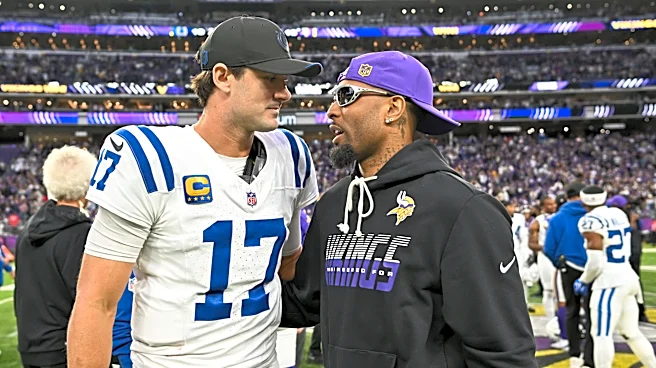
But when the Vikings reportedly called in on Jones, the Colts rebuffed the NFC North contenders. When the Ravens, desperate for quarterback help as well, made an offer for the veteran, they were also rejected.
The Colts had a chance to recoup some return on the ill-fated $88 million investment they made in the offseason. Instead, they stuck with Jones, who continued struggling even more with a depleted offensive line and receiving corps, and Indianapolis waived him within two weeks of the trade deadline. No return on investment – instead, nearly $50 million in dead cap across this and next year.
What if the Colts traded Daniel Jones?
The Ravens' offer was to send Indianapolis a fourth-round pick in return for Jones and a conditional fifth-round pick in next year's draft. The Colts would have gotten back their fifth-round pick if Baltimore made the playoffs.
Indianapolis' apparent mission in the lead-up to the deadline was claiming more draft capital. The Colts do not have a first-round pick for a second straight year after trading two first-rounders to the New York Jets for cornerback Sauce Gardner before the 2025 trade deadline.
In trading away four other veterans, the Colts managed to acquire a third-round pick, two fourth-rounders, a fifth-round pick and a sixth-round pick in 2027, plus a 2028 fifth-rounder. Trading Jones would have netted Indianapolis a third additional pick in the fourth round of next year's draft.
Trading Jones would have benefited the Colts in five ways. First, and arguably most importantly, the team would have received a return for the quarterback.
Waiving Jones nets the Colts the same return they would have gotten if they let all of their pending free agents – Nelson, Buckner, Allen and Downs – walk in the offseason instead of netting a return via trade. Which is to say, absolutely nothing. In reality, Indianapolis is getting less than nothing, which brings us to the second benefit of a trade.
Had the Colts traded the quarterback, they would have been off the hook for paying about $2 million of his guaranteed base salary for this year. The dead cap hits would still have come with his $44 million guaranteed signing bonus money landing with Indianapolis. The cap implications in the middle of the season don't do much, so this benefit is among the least important.
The next two benefits of a trade go hand-in-hand, and they boil down to the extra picks in the 2027 NFL Draft. With even more picks, the Colts could have built up their roster with more young players as they embrace a rebuild. That's benefit No. 3.
Another upside of extra picks on Day 3 is the potential to use them to trade up into earlier rounds. A savvy GM might have been able to flip those later picks for Day 2 picks – then perhaps flip some Day 2 picks into a trade back up into the first round.
As a team without a first-round pick – and now no quarterback – accumulating more draft capital needed to be a top priority. The best way to do that would have been to trade star running back Jonathan Taylor, which likely would have netted the Colts a first-rounder. Indianapolis ultimately decided that he was too big a part of its future plans to move on from, but Jones should have been an available asset. His struggles should have made clear his long-term future was not in Indy.
The fifth and final benefit? The Colts might have been able to find out earlier if they had their future quarterback in-house already. Former first-round pick Anthony Richardson struggled in his first stint as the starter in Indianapolis, but he showed off plenty of raw talent when he got his chances to shine.
Did his time as a backup allow for time to develop and improve? We'll find out the answer soon enough, but without the two extra starts he could have made if the Colts moved Jones ahead of the deadline. Again, Jones was clearly not the long-term answer given his struggles this season. A trade would have given Richardson every chance possible to show the team what it's got on the roster already before he, too, hits free agency after this year.
What's next for Daniel Jones?
As of Sunday, Nov. 22, all signs point to Jones clearing waivers on Nov. 23.
According to ESPN insiders Adam Schefter and Ian Rapoport, Jones will wait to sign with his next team once he clears waivers. Jones is reportedly "wait[ing] for the right opportunity with the right team at the right time."
Among the teams interested in signing the veteran, per ESPN, are the Ravens – who may get who they hoped after all, while saving themselves a fourth-round pick – Patriots and Cardinals. The Vikings, formerly a suitor for Jones, are likely out of the running to sign the former Giant given their trade for Kirk Cousins ahead of the deadline.
Baltimore is on its fourth different starting quarterback this year after injuries to Lamar Jackson and Tyler Huntley. New England is currently set to start Tommy DeVito for several weeks as starter Drake Maye deals with a fractured right fibula. Arizona started veteran journeyman Josh Johnson in Week 11, with rookie Carson Beck out with back spasms.
Because the Colts did not trade Jones, they will pay the remainder of the 2026 salary he's owed on the extension he signed in the offseason. Any team looking to sign him can do so while paying the veteran minimum: $1.3 million for Jones.
This article originally appeared on USA TODAY: Daniel Jones release shows full extent of Colts' trade deadline fumble