



A Democrat last won statewide in Texas in 1994. Since then, the party has lost more than 100 straight statewide contests, a losing streak surpassed only by that of the Harlem Globetrotters' hapless foil, the Washington Generals.
Hope springs eternal, though. Over the past dozen years, Texas Democrats have watched their expectations rise and then collapse: Wendy Davis in 2014, Beto O'Rourke in 2018
, the push to flip the Texas House in 2020, O'Rourke again in 2022.Still, they increasingly believe 2026 could be the year the ignominious streak ends. And this year they actually have good reason to be optimistic about winning at least one statewide race, for four reasons.
4 reasons 2026 election is different in Texas

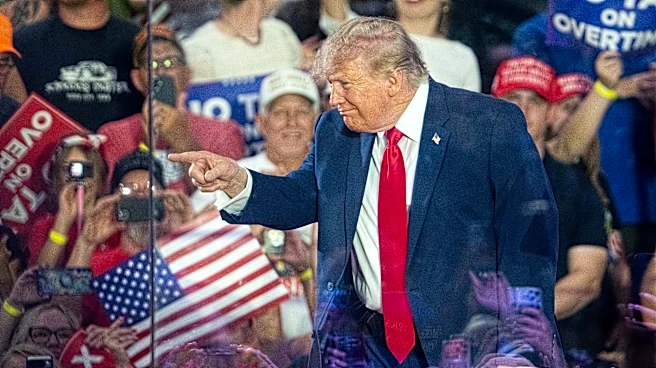
First, President Donald Trump is unpopular in Texas. He beat Democratic presidential
nominee Kamala Harris here by 14 percentage points two years ago. Now an October University of Houston Hobby School of Public Affairs survey finds him 8 points underwater among likely voters, with 46% viewing him favorably and 54% unfavorably. And 59% say the country is headed in the wrong direction.
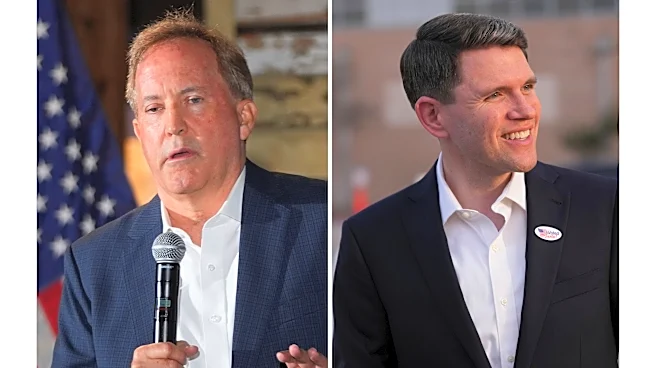
Second, in the marquee U.S. Senate race, Republican primary voters nominated Texas Attorney General Ken Paxton, the most flawed major statewide candidate the state GOP has fielded in modern history.
Texas voters know his baggage well: his 2023 impeachment trial, serial adultery and corruption allegations and more. Ironically, they know it partly because Senate Republicans spent tens of millions of dollars trying, and failing, to stop him in the primary.
The same Hobby School poll shows Democratic state Rep. James Talarico leading Paxton nearly 2-1 among independents and winning virtually all Democrats. Perhaps more important in a red state, he draws 6% support among Republicans.
A recent report by Texas Southern University's Barbara Jordan Public Policy Research and Survey Center found that more than one-fourth of the 15% of Texas Republicans who call themselves "moderate Republicans" (think George W. Bush) plan to vote for Talarico. They form the core of the little more than 1 in 10 Republicans who don't plan to vote for Paxton.
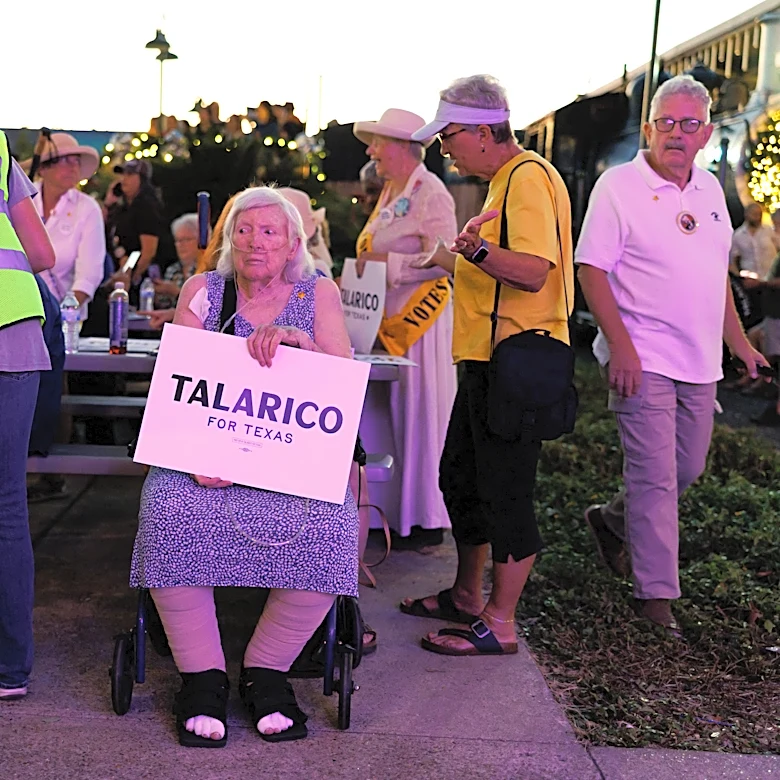
Third, Talarico is a strong candidate with some crossover appeal. Early on, some worried that his bitter Democratic primary fight with Rep. Jasmine Crockett would depress Black turnout. But surveys by the Barbara Jordan Center suggest Black voters will turn out at a normal rate and back Talarico over Paxton nearly 8-1.
That's despite more than 3 in 4 of them saying the Texas Democratic Party takes Black voters for granted.
Fourth, Texas is an exceptionally expensive place to run statewide. It has 20 media markets, including Dallas-Fort Worth and Houston, two of the nation's 10 largest, and more than 19 million registered voters.
But Texas is pivotal to Democrats' plan to retake the Senate, and that has helped Talarico raise money nationally and draw significant super PAC support. Unlike every other Democrat running statewide, he can compete on something approaching a level playing field.
Talarico holds a narrow lead in a lonely race

Together, these four factors have produced poll after poll showing Talarico ahead of Paxton by an average of 2 to 3 percentage points. That gives long-suffering Texas Democrats real reason to believe the streak finally ends this year.
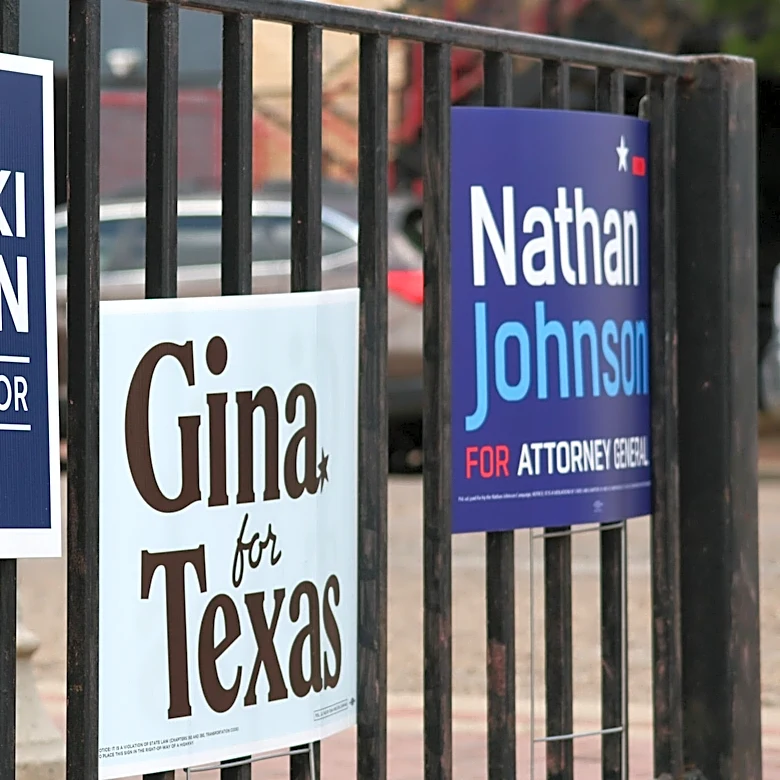
The Senate race is one of 18 statewide contests on the Texas ballot this fall, but it's the only one where the Democrat is favored in many polls. Barring a bigger-than-expected blue wave, three-term Republican Gov. Greg Abbott is on track to defeat Democratic state legislator Gina Hinojosa, though by a much smaller margin than he's used to.
Other than Paxton, the only Republican running statewide at serious risk of losing is Bo French, the party's controversial nominee for the Texas Railroad Commission.
Still, a Talarico win is far from certain, and his supporters need to reckon with the possibility that he loses.
That outcome would be profoundly demoralizing for Texas Democrats. They have an unpopular Republican in the White House, a deeply flawed GOP nominee and a high-quality, well-funded candidate of their own. That's arguably the best hand they could realistically hope for. If Talarico loses anyway, it will be hard to escape the conclusion that a Democrat simply can't win statewide in the Lone Star State.
Mark P. Jones is the political science fellow at Rice University's Baker Institute for Public Policy. He coauthored the University of Houston Hobby School and Texas Southern University Barbara Jordan Center survey reports cited in this column.
This article originally appeared on USA TODAY: If Talarico loses, Texas Democrats may never win | Opinion