





WASHINGTON – A pause in fighting between the U.S. and Iran came to a screeching halt after Tehran launched what the Trump administration is calling a "surprise attack" that American forces based in the Middle East had only minutes to shoot down.
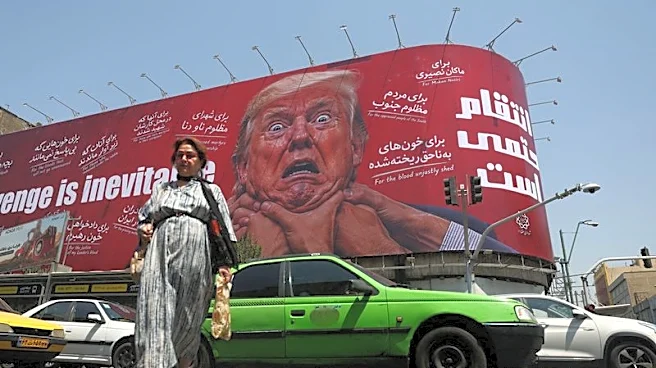
The July 28 ballistic missile assault threatened to reinvigorate the conflict that President Donald Trump had been aiming to wind down after months of negotiations. Trump vowed to retaliate, warning on Fox News that the U.S. would "beat the f------ s--- out of them."
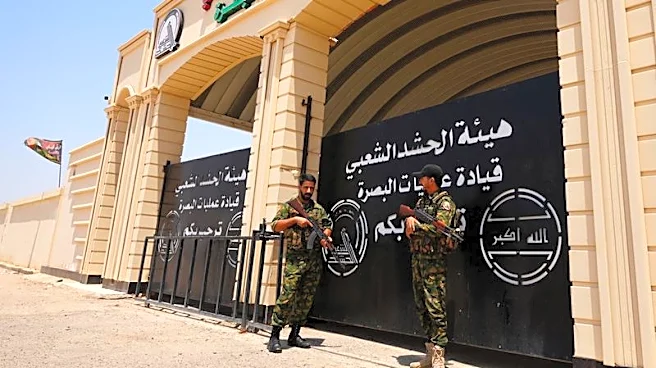
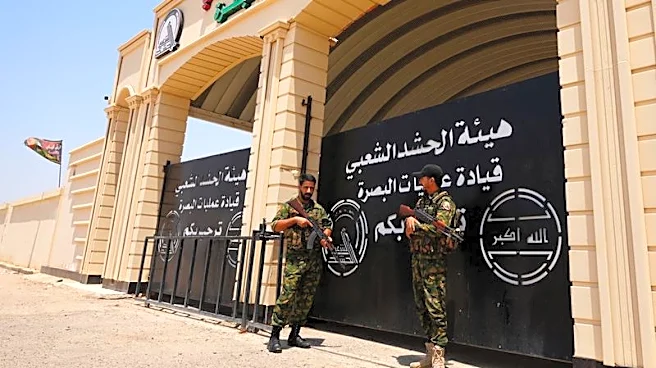
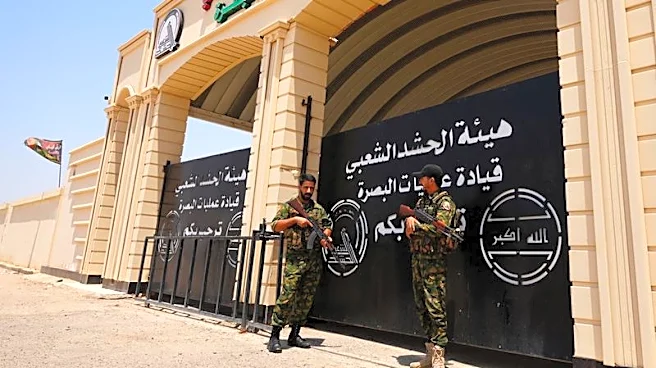
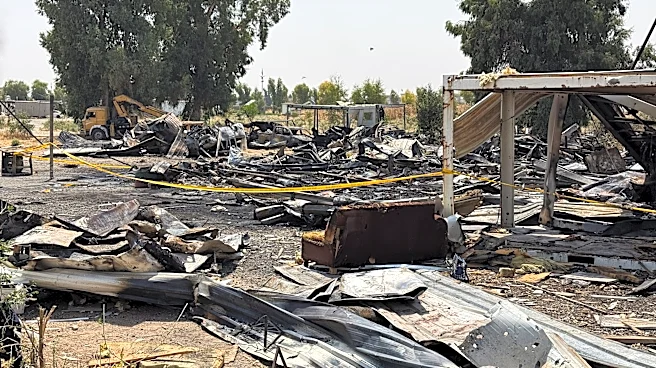
U.S. Central Command said on Tuesday evening that it and Saudi Arabia's armed forces had jointly targeted Iranian-aligned militants in Iraq responsible for drone attacks on American forces and Saudi energy infrastructure.
What happened to the ceasefire?
A weekslong ceasefire
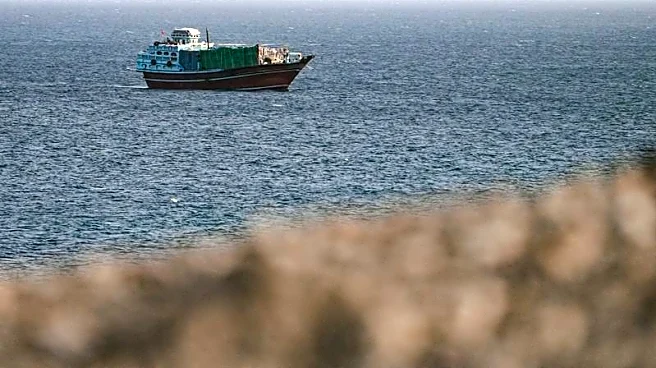
between the two countries fell apart in early July when the U.S. restarted its bombing campaign in response to Iranian attacks on commercial ships in the Strait of Hormuz. Four Americans died in the fighting. A total of 20 U.S. troop have died in the conflict to date.
Trump warned last week that further attacks on commercial vessels would be met with attacks on Iranian bridges and power plants – repeating a threat he has made and subsequently called off. The threat of force against civilian infrastructure, which experts warned could constitute a war crime, has been a go-to negotiating tactic for Trump. The sides have typically returned to talks after his threats.

Why did Saudi Arabia join the strikes?
Saudi Arabia joined the United States in attacking fighters aligned with Iran, the Gulf state’s Ministry of Defense announced Wednesday, July 29. Saudi Arabia struck Iran-linked militias based in Iraq, the kingdom said.
The strikes mark the Saudis' first foray into the war, in response to attacks from Iranian militants on the kingdom's oil and gas facilities. The Saudis coordinated their strikes with U.S. Central Command, the military arm overseeing operations in the Middle East, Saudi defense ministry officials said.
Central Command confirmed the coordinated attacks with Saudi jets, saying they targeted "Iran-aligned terrorists" in the eastern part of Iraq. According to military officials, the attacks came in response to Iran-directed attacks on U.S. assets in the region.
"The unwarranted attacks against U.S. forces were not successful," Central Command said in a statement.
What will Trump do now?
CENTCOM said in a July 28 statement that Iran's Islamic Revolutionary Guard Corps and its affiliated proxies "must cease these attacks to avoid further U.S. military response."
Trump told a Fox News correspondent that he'd "beat the f------ s--- out of them" and would be "hitting them hard, they're going to get a beating," the network reported Wednesday morning.
Francesca Chambers is a White House Correspondent for USA TODAY who covers foreign policy. Follow her on X @fran_chambers.
This article originally appeared on USA TODAY: Iran’s ‘surprise attack’ ends U.S ceasefire. What it means for the war