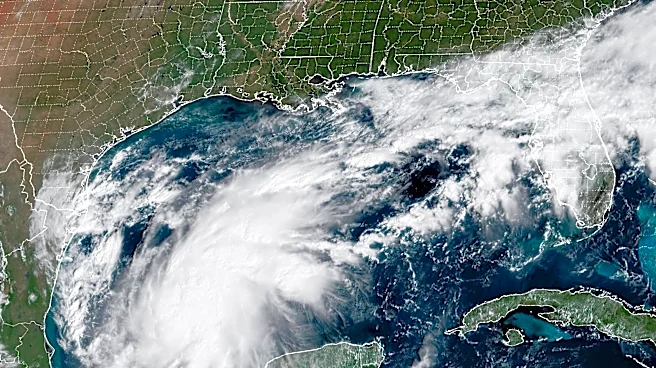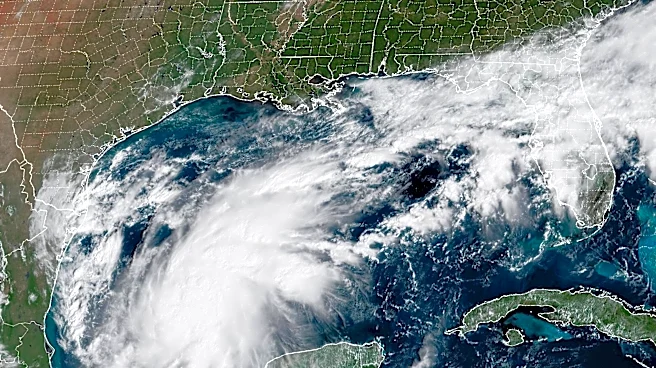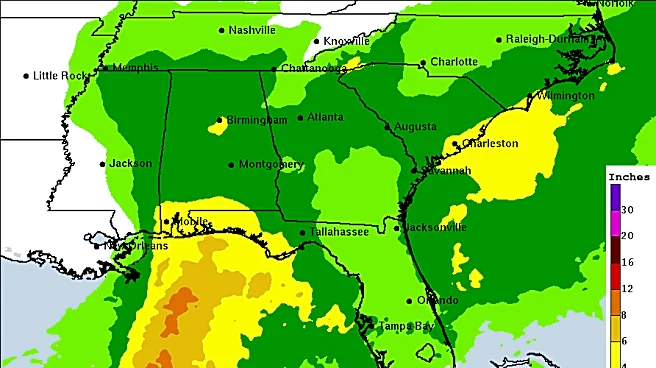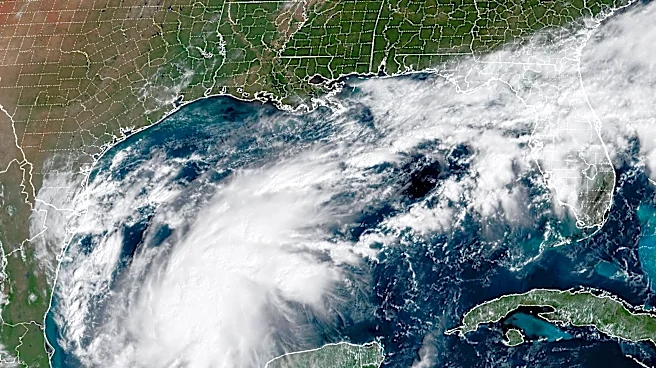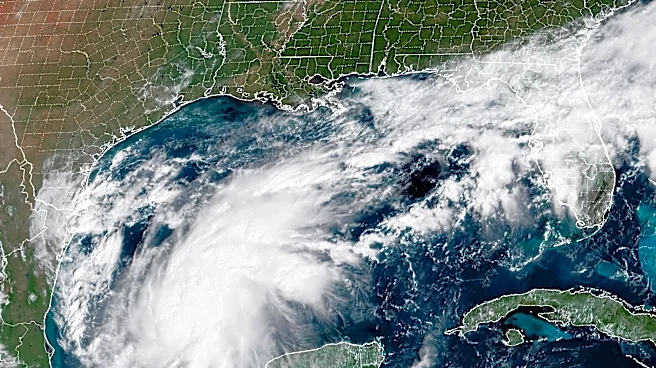

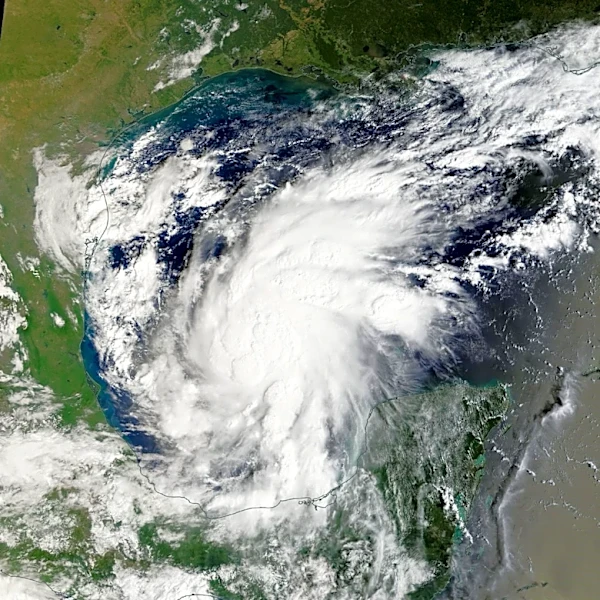
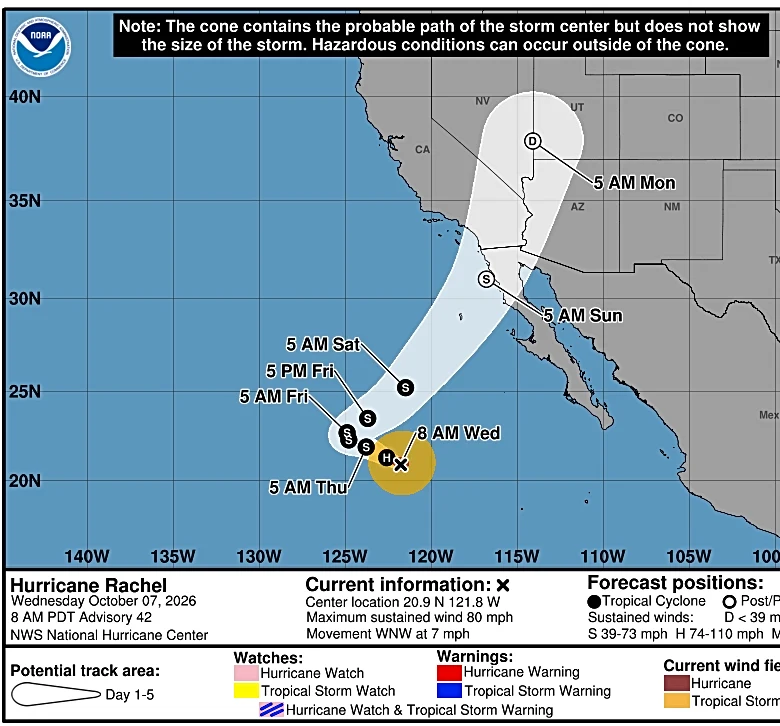
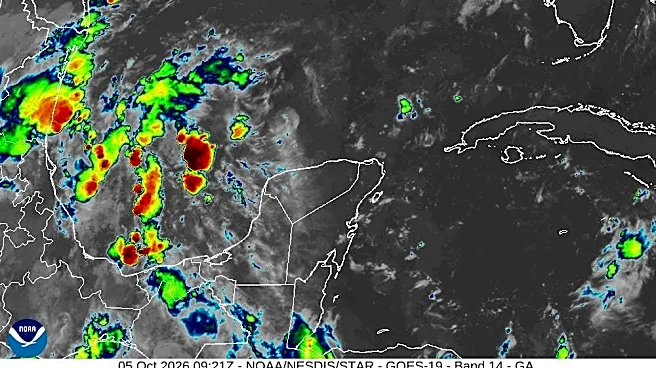

The 2026 Atlantic hurricane season has been unusually quiet, with nine named storms so far – well below the average pace – and just one hurricane. Hurricane Isaias strengthened from a tropical storm to the season’s first hurricane on Oct. 7, making it the latest first Atlantic hurricane in the modern satellite era.
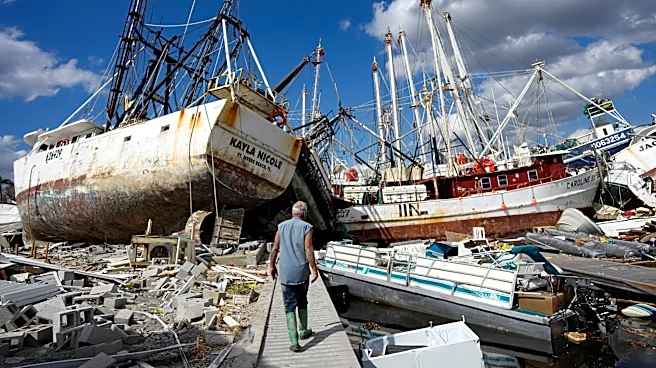
But a slow season should never be mistaken for a season without risk: It only takes one storm to cause significant damage. As Isaias reminds us, homeowners should use quiet periods to prepare by securing roofs, windows, and doors, clearing gutters, trimming trees, checking generators, and reviewing evacuation plans before the next storm is on the way.
Stay up to date: Hurricane Isaias live blog
While preparing your house and property
for a hurricane can be expensive, experts say it will pay off with less damage and a quicker recovery after the storm.
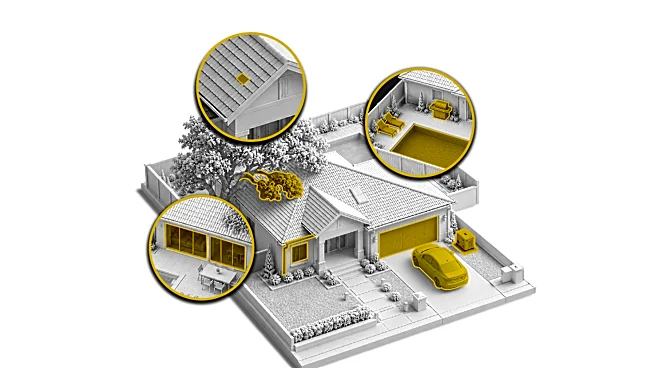
Protective measures range from trimming at-risk tree branches to replacing flimsy exterior doors with stronger ones. You can do some of these yourself. For others, you may have to hire a professional.
Start your disaster preparation by assessing your property for potential vulnerable areas. Consult a professional if you are not sure what should be done.
Doing the work in stages can reduce the stress on your wallet. Here are a few tips from the Federal Emergency Management Agency and the Centers for Disease Control and Prevention to help you get started.
Preparing your house in advance of storm season
Power: Be prepared and know how to shut off your electricity in case of flooding, downed power lines, or if you have to evacuate.
Doors: All exterior doors should be hurricane-proof, with at least three hinges and a deadbolt lock at least 1 inch long.
Wall openings: Prevent water intrusion by sealing vents, electrical outlets and cables with a high-quality urethane-based caulk.
What can you do within days of a storm's landfall?
There are last-minute things you can do if you're unexpectedly facing a hurricane – or if you haven't prepared further ahead.
Do you rent your home?
Review your lease agreement. Contact your landlord to confirm your rental property's hurricane plan. Clarify the installation of storm shutters, responsibilities for securing outdoor furniture, and protocols for rent abatement if the property is damaged. Ensure you understand who pays for property repairs and confirm your own renter’s insurance coverage.
Don't miss: More tips on preparing your home for El Niño.
What if you have a mobile home?
Though mobile homes are generally considered unsafe in hurricanes, the level of safety a mobile home provides depends on when it was built. It also depends on how the mobile home was constructed and whether it has adequate anchors. Check with a professional to determine the safety of a mobile home.
Source: USA TODAY Network reporting and research; FloridaDisaster.org Federal Emergency Management Agency; Centers for Disease Control and Prevention; National Oceanic and Atmospheric Administration
Contributing: Doyle Rice
This article originally appeared on USA TODAY: As Hurricane Isaias approaches, learn how to prepare your home