


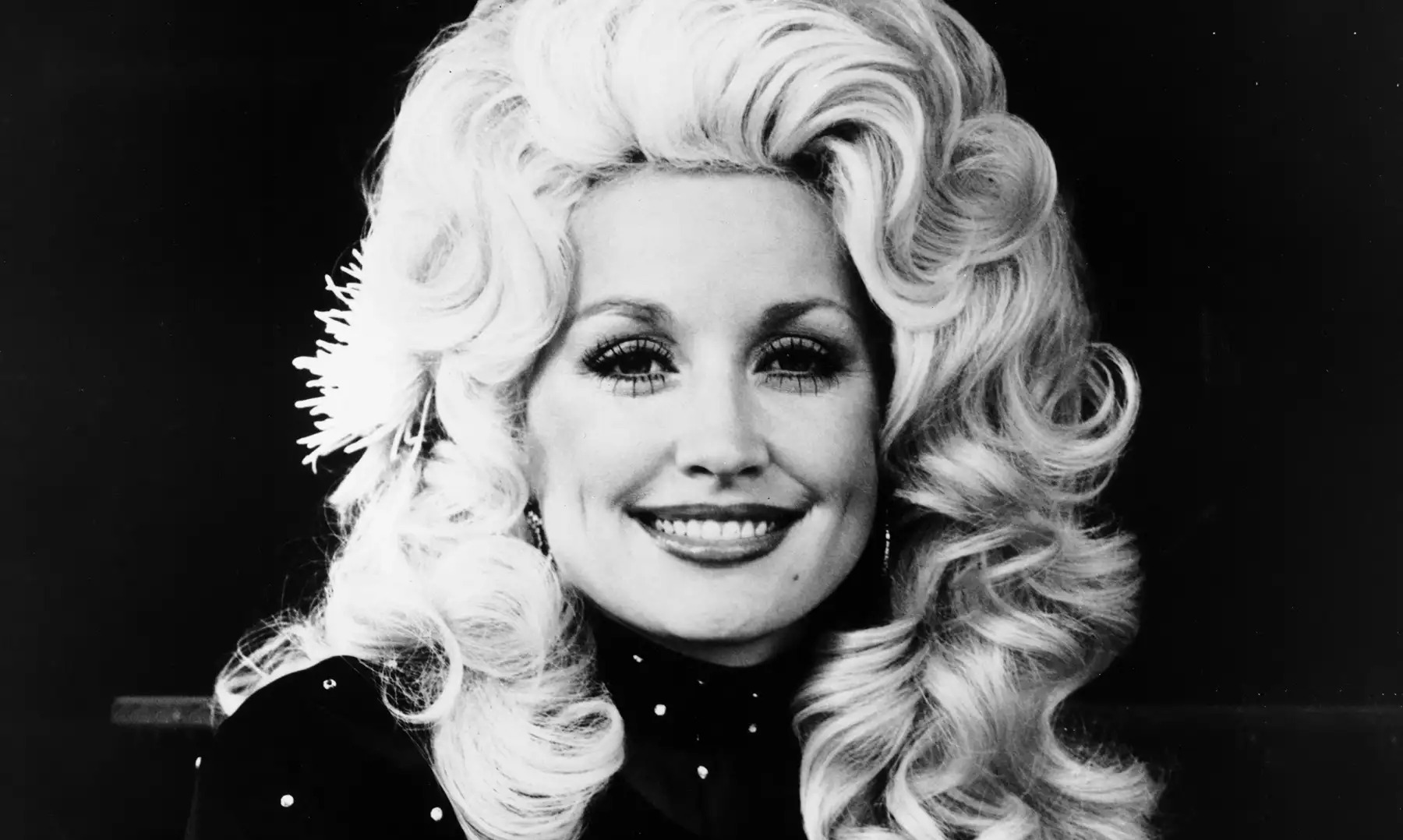
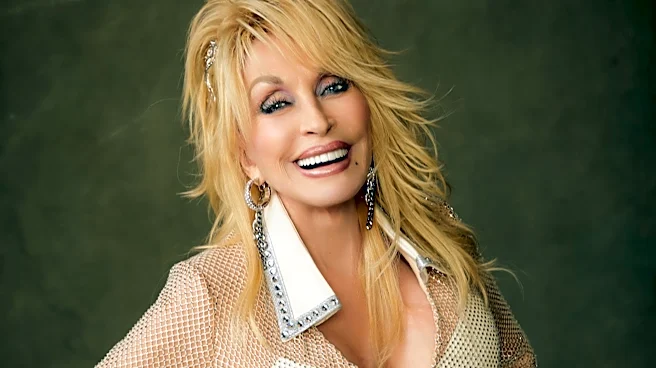
On the Thursday, August 27, 2026, episode of The Excerpt podcast:
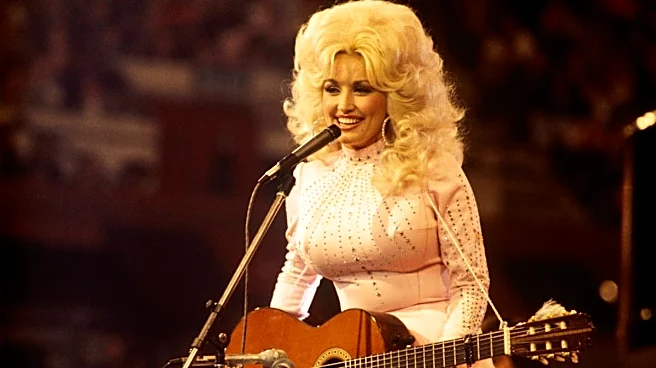
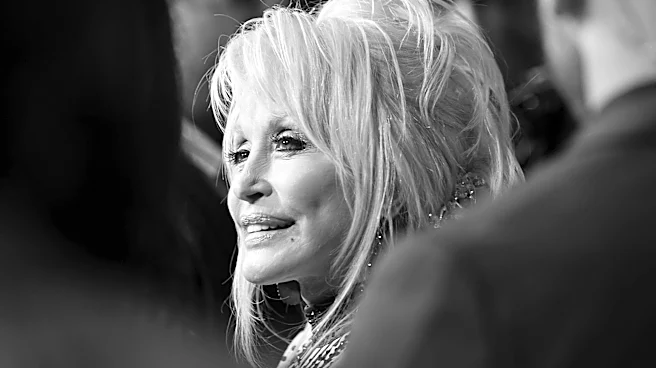
Dolly Parton's music made her a star. Her humanity made her an icon. From songs that spoke to working women and outsiders to philanthropy that changed lives, Parton left a mark far beyond country music. USA TODAY National Music Reporter Melissa Ruggieri joins The Excerpt to reflect on the stories, songs and values that made Dolly one of America's most beloved figures.Hit play on the player below to hear the podcast and follow along with the transcript beneath it. This transcript was automatically generated, and then edited for clarity in its current form. There may be some differences between the audio and the text.
Podcasts: True crime, in-depth interviews and more USA TODAY podcasts
right here
Dana Taylor:
In 2022, P!nk gave Dolly Parton's Rock & Roll Hall of Fame induction speech and said in part, "She writes about things that others would prefer be swept under the rug. She gives a voice to the voiceless. Her life's work to me is a narrative, a painful, beautiful, poetic, melodic commentary on what it's like to be human and on what it's like to be a woman in America."
Hello and welcome to USA TODAY's The Excerpt. I'm Dana Taylor. Today is Thursday, August 27, 2026. Joining me to discuss the late Dolly Parton's extraordinary impact on the world of entertainment and beyond is USA TODAY National Music Reporter Melissa Ruggieri. It's so good to have you here, Melissa.
Melissa Ruggieri:
Hi.
Dana Taylor:
You got to speak with Dolly Parton in 2023. The second time I believe was the last time you interviewed her, was tied to the release of her duets album, "Rockstar."
Melissa Ruggieri:
When you and I talked earlier this year when you were working on something else, and you mentioned that Mick Jagger was the one person that you were trying to get for "I Can't Get No Satisfaction," and that if he didn't, you would quote, this is one of my favorite quotes ever, "Kick his bony ass." So should he be worried? Because you didn't get him.
Dolly Parton:
But I got a bony ass too, that I've tried to get my bony ass to get his skinny butt together. But actually I found out later that he was working secretly on their album, the Rolling Stones's new album, and we kept crossing paths and he said, "I'd love to do something, but let's don't do 'Satisfaction' because I've done that so much." So I got P!nk and Brandi Carlile to sing on that with me, which I'm glad I did and made a great girl song. But with Mick, we just kept trying to get it done. And then I ran out of time for my time limit and so we didn't ever get a chance to get together long enough to figure out what we could have done.
Dana Taylor:
Melissa, she didn't end up recording with Mick Jagger, but when you look at the shift of Dolly being recognized not only as the Queen of Country, which she was, but as a total rockstar, what struck you most about her understanding of her own legacy?
Melissa Ruggieri:
I think that she realized, and it wasn't until they offered her the Rock & Roll Hall of Fame induction, that she really did cross so many genres. I think initially when she said she didn't really believe she should be inducted, that that wasn't the kind of music that she did, that there were other people more deserving of her, that I think she really truly believed that she was a country singer and maybe a little bit of a pop singer, but rock and roll, that that was going to be left to the guys in the rock bands with the guitars and that wasn't her.
And then to her credit, I think the more people talked to her and made her understand that, "No, Dolly, you are beloved no matter what kind of music that you're playing and that you are a rockstar," because that's a pretty general term I guess that you could apply to a lot of people. And it took her a little bit to understand that she also belonged in that same conversation. So I think what was so cool about Dolly finally embracing the induction into the Rock & Roll Hall of Fame were the number of musicians who came out to support her and sing with her while she was there. She was there with Rob Halford of Judas Priest and Simon Le Bon of Duran Duran and just an amalgamation of musicians from all different kinds of music and genres, and that's exactly what she did. She may have grown up as someone playing guitar on the back porch in her tiny cabin in Tennessee, but Dolly did everything.
Dolly touched everybody, whether it was through her philanthropy or whether it was through her music. I think it really did take until that induction for her to realize that she really was a rockstar.
Dana Taylor:
President Donald Trump said her death was like losing a close family member, ordering the lowering of American flags across the country. Dolly Parton was universally adored across generations, political lines, musical tastes. How did she accomplish something so few public figures can?
Melissa Ruggieri:
Her personality really was everything. She was so unapologetic about who she was and she always stayed true to herself. But on the other hand, she also was just filled with kindness. And I think that is why no matter what you thought of her beliefs, whether what you thought of the way she dressed or the way she looked or any of that, there was always a forgiving quality there because Dolly always led with her heart, and I think people really saw that.
And whether it was giving money to flood victims or donating money for medical research, into the COVID vaccine or the millions and millions and millions of books she's given away through her Imagination Library because her father couldn't read, so that was something very personal to her was to promote literacy to children. I mean, I don't think anybody could really look at Dolly and say, "Oh, I don't really like her. I don't really like what she stands for." Even if you didn't like what she stands for and you saw what she was doing, you kind of went, "I don't like what she stands for, but she seems like she's a good person." And the fact that she was so universally beloved by everybody, I can't think of many other performers, whether it's any other celebrities, whether it's a musician, an actor, an actress who would die and have just this general outpouring of love from everyone.
Politically, I'm not sure we'll ever see two sides coming in agreement about somebody like they did for Dolly Parton. When you have President Trump and then you have former President Barack Obama both putting out statements after her death, essentially saying the same thing, that's a pretty rare thing. So even in death, if she could unite people, which she did, that's a pretty powerful statement to leave behind.
Dana Taylor:
I want to dig into her music. It seems appropriate to start with her song "Coat of Many Colors." Why do you think that song has remained such a defining piece of Dolly Parton's story?
Melissa Ruggieri:
Because it really tells her story. And while so many of her songs tell her story, and she was always the one that said she would use her observation and things that she experienced growing up that worked its way into her music, "Coat of Many Colors" is the defining Dolly story. And it's one of those songs that regardless of your age or regardless of your demographic, it's just been passed down and it's just become her lasting legacy. And for some reason, even when you hear the story of Dolly Parton and her upbringing, "Coat of Many Colors" is the song that everybody can point to and say, "Wow, yeah, this is exactly who she is. This is exactly how she became who she became." And that was, I think, really the beginning of Dolly solidifying her place in music and showing people just how deep she was really.
And she had a simple life, she had a simple upbringing, she had a simple background, and yet she turned into somebody who really was larger than life with her personality and her outfits or even her music. And even when she was on stage, you couldn't look away from her because she was just someone so captivating. And yet again, she was just a girl from small-town Tennessee who grew up playing guitar in the cabin without electricity and plumbing.
Dana Taylor:
Listen, when you look across her catalog, is it clear why so many of her songs, "Jolene" comes to mind, still resonate decades after they were written?
Melissa Ruggieri:
Because they are universal themes. I mean, look at what Beyoncé did with "Jolene" for "Cowboy Carter." That was the song that Beyoncé wanted to cover, Dolly gave her blessing, even shows up on the album to verbally give her blessing. And I mean, are cheating spouses or is jealousy or all the things that Dolly wrote about that kind of come together in that song, are those things ever going to go away? No, they're not. And not to mention, it's a catchy song, and Dolly knew her way around a melody. So it wasn't even just the lyrics that she was writing, it was the music that she was writing as well.
Yesterday I heard so many people say that "Jolene" was the song that just kept popping into their head. And while "Coat of Many Colors," of course, is a legacy to her and her lifetime and her background, "Jolene," I think, is the one that you will never feel guilty about singing, even on the day that she died. I think people were really wanting just to pay tribute to the music that she gave us. And "Jolene" is just a great song. And you go to the karaoke bar, you see people singing it, and yeah, you could probably look around that room and you know there's somebody in there who's thinking the same thing that Dolly's singing about in "Jolene."
Dana Taylor:
Her song "I Will Always Love You" is known for both the film adaptation of the musical,"The Best Little Whorehouse in Texas" and for becoming a massive number one hit by Whitney Houston. If someone only knew Dolly through her larger than life persona, what might they miss about her impact on other artists?
Melissa Ruggieri:
She wrote songs for so many people. She really was first and foremost a songwriter and all the other things that went into the package that made her who she was, that was all great. But at her core, she wrote songs. She wrote songs that Tina Turner had on her debut album, her debut solo album back in the early '70s. Tina went country for that after she left Ike, and there was a song on there. There'll always be music that Dolly wrote. She wrote songs for Waylon Jennings. She wrote songs for her pal, Kenny Rogers. Of course, they had their great duet Islands in the Stream, but she didn't write, but she and Kenny had a very fruitful relationship professionally.
And there were just dozens of songs that became hits for other people or even were just on other albums, Emmylou Harris, who then she would team up with years later in Trio with Linda Ronstadt. But" I Will Always Love You" is the song that most people, even if they don't know Dolly Parton's catalog, they know that song. Some are still surprised to learn that Dolly Parton wrote it, that it's not a Whitney Houston song because what David Foster, the producer of the song did for "The Bodyguard" and Whitney's version of it, really did transform it from Dolly's version, but they're both saying the same thing. If you listen to Dolly's version, which is very quiet and very twangy, she wrote it as a goodbye to Porter Wagoner, who was her mentor, who was the guy who really helped give her her start, and she did love him, but there became a point where their business relationship just had to end and Dolly is singing to him in that song.
Whitney, of course, is taking the character in "The Bodyguard" that she played a singer, and Kevin Costner was her bodyguard who she couldn't be with, and Whitney's version turns it into more romantic love kind of thing, but that hurt is still there. You feel it, whether it's Dolly's version or Whitney's soaring version. And the idea that they came up with, I believe it was Kevin Costner actually who came up with the idea to have Whitney open the song acapella, will go down as one of the most brilliant moves in music history, and it came from an actor's idea. But that song really is what people are going to always point to as a defining Dolly song.
It's also a song that made her, oh, at least $10 million in the '90s just in royalties alone. And that also speaks to Dolly's business savvy. I mean, there's a famous story that way before the Whitney years, Elvis Presley showed some interest in recording "I Will Always Love You." And Elvis's management came to Dolly and said, "We'd really like Elvis to record this song, but we also want 50% of the publishing royalties." And Dolly said, "You can walk those blue suede shoes right out the door, pal, because no, that is not happening. These are my songs. These are my lyrics. I'm getting any royalties that come from this." And she held onto that. And so when Whitney re-recorded it in early '90s for "The Bodyguard" soundtrack, those royalties did roll in. And according to Forbes, in the '90s, she made more than $10 million alone on royalties. And of course, now that song is going to get a new bump, and Dolly took that money and invested it in people. That's what she always did with so much of the money that she made from all of her music and all of her enterprises.
Dana Taylor:
Dolly moved from country music into pop culture, movies, television and as we've discussed, even rock music. How unusual was her ability to transcend genres without losing who she was?
Melissa Ruggieri:
She was probably one of the first people to really go from doing music and movies and could be on a Johnny Carson show and charm him with just her personality. And she really did seamlessly go from one to the other. And I think part of the success of her movie career was when you look at "9 to 5 "and you look at "The Best Little Whorehouse in Texas" or "Steel Magnolias," she was never really asked to do much more than who she was. And I don't mean that in a negative way that Dolly wasn't an actress, but the roles that she was portraying, she was just kind of showing a different side of herself, whether it was the very warm side of her personality or the very funny side of her personality, and that all came out on screen.
So I just don't think that she necessarily, I don't think she ever was interested in being a big dramatic actress or something. I mean, I think she always felt comfortable in the lanes that they put her in for movies because she was just a natural on screen because of that personality that she had and because she just exuded those qualities that feel like the character is talking to you when you're watching them on screen. So I mean, so much of Dolly's success came from Dolly just being Dolly, really. I mean, there was no artifice about her.
And even in the times that I interviewed her over the years, whether it was doing something on camera, on video or whether it was just on phone, via phone or a couple times I saw her in person, there was always a very professional level to what she did. And you knew that she had her responses planned for a lot of the things that you were going to discuss, but then there were so many of those side moments that she would just laugh about something or somebody would say something and she would giggle about it and she would have a funny comeback. She was just a great person to spend even 20 minutes with doing an interview. You walked away feeling like you really knew who she was.
Dana Taylor:
I did want to ask about "9 to 5," the movie she starred in with Jane Fonda and Lily Tomlin and of course, wrote the iconic theme song for, both were inspired by the 9to5, National Association of Working Women, and the song in the movie both spoke to issues facing working women at a time when those conversations weren't always front and center. Was this a woman, an artist, truly ahead of her time?
Melissa Ruggieri:
She absolutely was. You look at country music, look at the women in country music, whether it's Shania Twain or Faith Hill, and you see how they crossed over into pop music. That might not have happened without Dolly doing it back in the late '70s with Here You Come Again, was her first pop single. Then you look at Taylor Swift and the brilliance that she has shown and the savvy that she has had in maintaining rights to her own likeness and her own music. That came straight from Dolly Parton too. The story about her not wanting to give Elvis half of her royalties for "I Will Always Love You," I mean, that's just one example of Dolly saying from the very beginning, "No, I'm a businesswoman first and foremost, along with being a songwriter and a musician."
And I think that that influence just showed so many women, whether they were in the music industry or just women in the 9 to 5 workplace, that they did have a place in the world and that they were equal to men and that they should be treated equally, just like P!nk said so many of those things in her Rock & Roll Hall of Fame induction speech, that Dolly really showed this fearlessness and this steeliness that when it came to the things that she felt like she deserved, she was not going to back down from that. And that kind of influence you really weren't seeing a whole lot of in the '70s and the '80s. I mean, now we can look at that and go, "Oh yeah, well, there was lots of successful women." But when you look back 30, 40, 50 years ago, that wasn't the norm. And Dolly really did cross over.
And that's the thing that's so interesting about her though, is that all of those things that she did that might anger people today, no one ever got mad at Dolly. No one ever got mad at Dolly for saying she didn't want to have kids because she wanted to be able to focus on her career, which she did, that seemed to be okay. No one ever got mad at Dolly when she donated money for the COVID vaccine and medical research when lots of people felt differently about that. But with Dolly, it was okay. And I think a lot of those things are just, again, the fact that people knew her genuine heart and they might not have agreed with her all the time, but they were going to at least respect her.
Dana Taylor:
Dolly Parton was someone who belonged to all of us. She was a public person, but she was also a very private person.
Melissa Ruggieri:
She guarded her privacy with a padlock. And another one of those conundrums about Dolly that you're seeing this larger-than-life personality on screen and in music and on award shows and all of that, but her marriage to her husband, Carl Dean, who died in March of 2025, they were married almost 60 years and what was most famous about that marriage is what you didn't know about it. He was rarely photographed with her. I mean, even when we were trying to find photos of her to run with her obituary stories, it was really tough to find any of her with Carl.
Whenever I would bring up Carl, I think even, when I talked to her about the rock album, I said, "Well, what did Carl think about this song?" Because I think he had influenced or had suggested she cover a Led Zeppelin song. And she always had a very polite answer of, "Oh, he's just so supportive and he's always behind me and I always value his opinion." And so you knew that their relationship was a real thing and for 60 years, they were a team and his support was certainly something that she relied on even though it was in the shadows, but yet she didn't want whatever their personal relationship was out in public. And the fact that she was able to keep it like that for the duration of their marriage is pretty astounding.
And also the same with her health. When it was first announced last year that she was first postponing her Vegas dates, that these shows were so in demand, I can't even tell you how in demand they were and what ticket prices were going for on the resale market. And then she had to postpone it because she said since Carl had been sick, she put her own health off to the side and now she had to take care of some things. And then when she canceled the Vegas dates earlier this year, and that's when I think people started to go, "Okay, maybe there's something more going on here than just you need to have some maintenance done on yourself health-wise." But you didn't know, you never knew.
And every time she would make a little appearance here or there, she was at a truck stop opening in June in Tennessee and seemed to be okay, no one knew the extent to what the health issues that she was dealing with. And from what we understand, she had gone into the hospital in Nashville a few days prior to her death. No one at that hospital called the gossip sites to tell them that Dolly Parton was being hospitalized. So that also shows the respect, I think, that people had for her and the reverence that they had for her that no one wanted to be the one to out Dolly for her health reasons, no one wanted to be the one to try and get a paparazzi shot of her with her husband because they knew that that's not what she wanted. And a lot of people, most people can't demand that kind of respect, but Dolly definitely got it.
Dana Taylor:
Melissa, we've talked about her accomplishments, but what's the story or moment that best captures who Dolly Parton was as a person?
Melissa Ruggieri:
I really think that that Rock & Roll Hall of Fame induction captured who she was as a person because it showed, the whole cycle of that showed, who she was. She didn't want the honor, she very respectfully declined it initially, then thought about it, then was probably told by a lot of people in her life that, "No, you do deserve this because you are a rockstar." Then said, "Okay, you know what? I don't want to be rude," because Dolly wouldn't want to be rude to anybody, "I don't want to be rude and say I don't want to accept this great honor." And then she turned it into a massive thing. She showed up in her leather, she sang with all those rockers who were also there at the ceremony. She turned it into a huge album where she recruited so many major music stars to be part of it with her. And I think that that was really Dolly finally saying, "Yep, I'm a rockstar."
Dana Taylor:
Melissa Ruggieri is USA TODAY's national music reporter. Melissa, it's always good to speak with you.
Melissa Ruggieri:
Thank you.
Dana Taylor:
If you enjoyed listening to today's show, we hope you'll like and subscribe to stay connected. Thanks for listening. I'm Dana Taylor.
This article originally appeared on USA TODAY: What America saw in Dolly Parton | The Excerpt