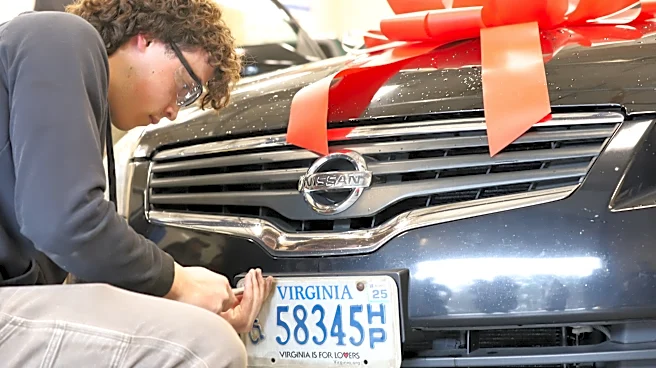








School has started up again, but current high schoolers likely had a very different summer than their parents did as teens. Only about a third of teenagers work summer jobs now, compared with more than half when their parents were young.
Summer jobs aren’t just a nice source of income for teenagers – they are an important developmental tool that helps transform children into adults. Their decline is a real problem, and it could get worse.
According to Pew Research Center, teen employment bottomed out during the Great Recession, with fewer than 30% having jobs. Despite a slight uptick this past year, the rate has climbed to only 35.5%, far from the 1978 peak of 58%. The figures haven’t changed much since I was in high school in the late 2010s.
Some of the blame lies with shifting incentives among wealthier teenagers, whose families are more likely to push them to spend their summers maximizing college odds through unpaid internships or other résumé-building programs. But that doesn't explain the entire decline. Many teenagers who want jobs are struggling to find them, as entry-level positions grow scarcer – particularly ones willing to take on seasonal-only employees.
Worse yet is the prospect of automation taking away opportunities traditionally held by teenagers. Many service-industry jobs, which typically dominate teen employment, are primed to be eliminated by self-checkout kiosks and other forms of automation.
That job market is already reeling from the widespread closure of small businesses in the wake of the COVID-19 pandemic.
Summer jobs teach teens a valuable lesson before it's too late
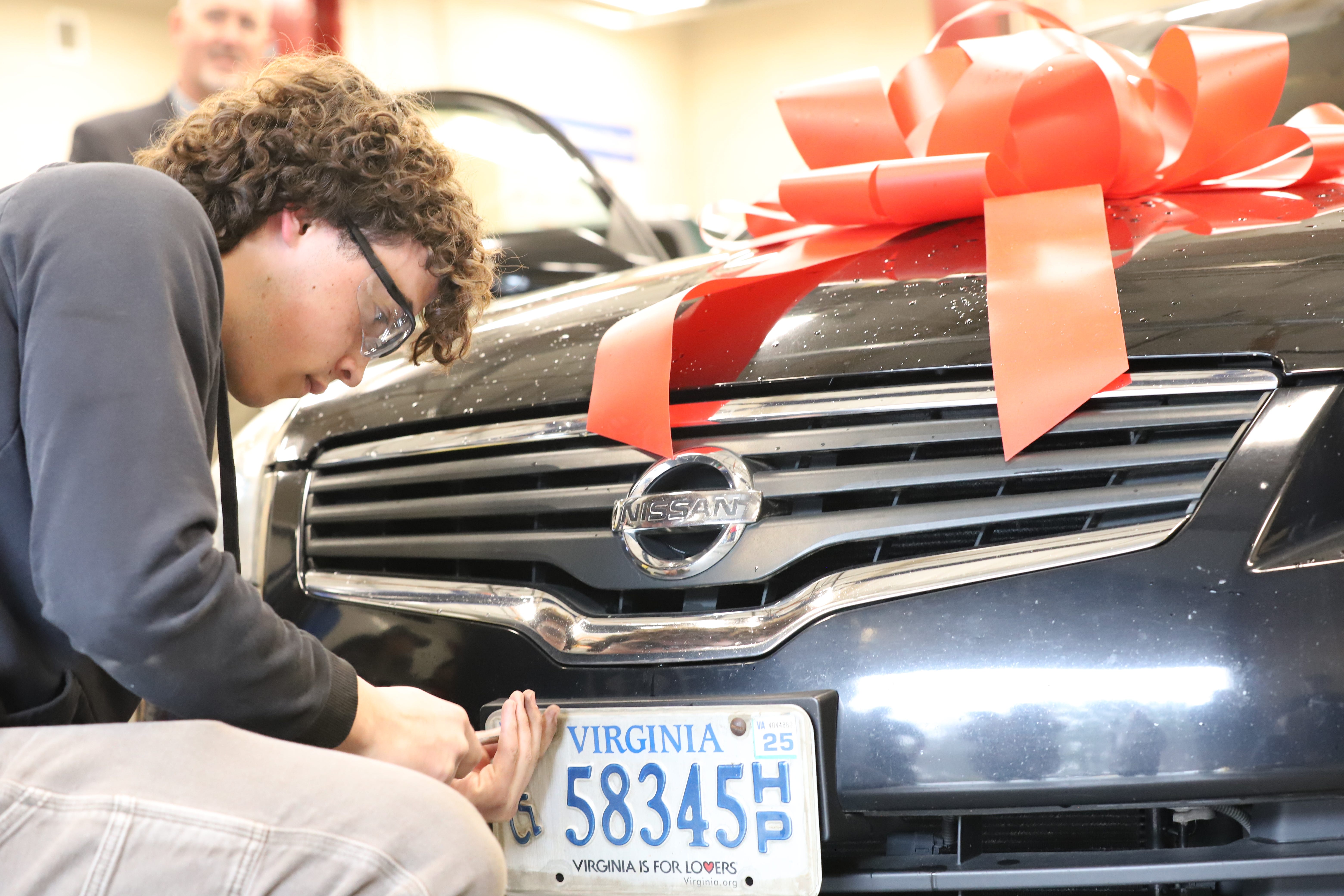
During my high school summers, I worked for a local odd-jobs company. For $12 an hour, I helped people move, cleared out construction sites, did yard work and took on plenty of other menial tasks. The job sucked, but it taught me a lot.
Before a job, the two experiences children have with work – school and chores – use the threat of punishment to ensure the task gets done. That structure is valuable, even necessary, for learning to live within civil society. But it doesn't teach much in the way of agency: the sense that your effort, and its payoff, belong to you alone.
Jobs, on the other hand, teach young people the value of working because they want to improve their own prospects.
While home and school are authoritarian environments, where failing to conduct yourself properly is met with punishment, jobs are libertarian ones.
Most teenagers don't need jobs, at least not in the way we adults do; their parents are generally able to provide food and shelter without the teenager's income. Their employment is voluntary, and that brings a new kind of responsibility they haven't yet had in life.
A young person getting a job is their first experience working for themselves. The money they bring in rarely goes toward anything productive (mine certainly didn't), but reaping the rewards of your own time and effort is a valuable thing to experience before being thrust into adulthood.
Some teenagers aren't ready for that responsibility, but it's better to struggle with that adjustment when you don't need the income to survive.
My summer job taught me discipline, delayed gratification and agency. Those are traits I don't think I would have developed had I not worked during my summers. Teenagers of future generations will be deprived of these important developmental experiences if the teen job market stays as small as it is.
The decline of the teenage summer job is, in this sense, a tragedy – one that will leave young people less prepared with the personality traits adulthood requires. I hope my future children work during their summers, not for the benefits they'll reap in the moment, but for how it will help ready them for adulthood.
Dace Potas, a law student, is an opinion columnist for USA TODAY. Follow him on X: @DacePotas
This article originally appeared on USA TODAY: Every teenager should have a bad summer job | Opinion