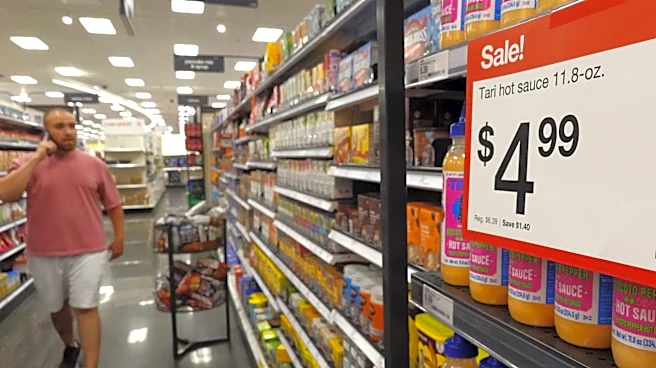







Seattle's city council will vote on an ordinance banning "surveillance pricing" this week, potentially becoming the first city in the U.S. to ban large grocery stores from collecting individual data to set prices.
Shopping at grocery stores has created a trove of customer data that retailers use to set prices and tailor the cost of goods to individual customers. This practice, known as "surveillance pricing," brings algorithms and personal information together to change how much someone pays each time they go shopping.
City councilmember Alexis Mercedes Rinck and Mayor Katie Wilson's Fair Pricing and Transparency Ordinance, which prohibits "algorithm-based price discrimination," will go to a vote on Sept. 22. The ordinance will apply to business
with 20 or more locations and require retailers to disclose the criteria for discounted prices and clearly display prices in retail locations.
"It's not fair to have different prices for each shopper based on their personal date," Councilmember Rinck said at a Sept. 11 committee meeting. "The price of the groceries should be based on the product, not on who the shopper is or what an algorithm thinks that shopper will pay."

Grocery stores like Safeway are pushing back against the ordinance. Signs recently went up in Safeways across Seattle warning customers about the impending vote. "Mayor Wilson and the Seattle City Council are considering rules that would prohibit your personalized discounts, like those in your Safeway forU app." A website associated with the Safeway signage (protectseattlesavings.com) states that families are at risk of losing an average of $100 in discounts if the ordinance passes.
State lawmakers in Washington proposed a bill banning the practice of surveillance pricing during last year's legislative session, but it never moved out of the House Committee on Appropriations.
What is survelliance pricing?
Surveillance pricing is a method of using algorithms and personal information to tailor specific prices to different customers. Personal data gathered through loyalty programs or other third-party platforms allows sellers to adjust prices, in-person or online, for individual shoppers.
A 2025 investigation by Consumer Reports and Groundwork Collaborative found that Instacart grocery deliveries used an artificial intelligence pricing program to offer identical products at different costs, depending on the customer. Hundreds of volunteers simultaneously filled their shopping carts with the same products and recorded the prices, and around three-quarters of the products were offered at different prices to different customers. Some of the products were up to 23% different in price, according to the investigation.
The CR investigation included a group of volunteers shopping using Instacart to shop at a Safeway in Seattle. The virtual carts containing the same twenty products ranged from a total of $114.34 to $123.93. And only 8% of shoppers got the lowest price total.
In response to the CR investigation, Instacart said that only 10 of its retail partners use the AI pricing tool but would not name the companies. “Some consumers may see slightly higher prices for certain items and lower prices for others; however, most customers see the standard price,” Instacart wrote in a statement.
What other states have address surveillance pricing?
At least 11 states are considering, or have considered, similar legislation around surveillance pricing, according to Stateline. In 2025, New York became the first state to regulate automated pricing and require a disclosure on technology-assisted pricing that reads: "This price was set by an algorithm using your personal date."
Lawmakers in New Jersey, Maryland, Minnesota, Oklahoma and Tennessee have considered bans on surveillance pricing.
Which grocery stores use surveillance pricing?
The CR investigation found that surveillance pricing is used by Albertons (which owns Safeway), Costco and Kroger grocery stores. Target and Walmart also reportedly use algorithmic pricing.
"Walmart does not engage in surveillance pricing," the company has written online. "Walmart does not use personal customer information to determine what price an individual customer sees or pays online or in stores."
When will Seattle vote on banning surveillance pricing?
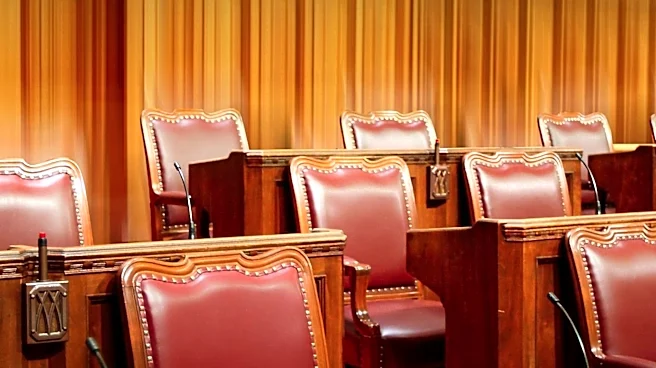
The Seattle City Council will vote on the Fair Pricing and Transparency Ordinance on Tuesday, Sept. 22 at Seattle City Hall.
Zachary Fletcher is a trending news reporter with USA TODAY Network's Washington state team. Keep up with him on X (@zdfletch), BlueSky (@zfletcher.bsky.social) or reach him at zfletcher@usatodayco.com.
This article originally appeared on USA TODAY: Seattle hopes to ban surveillance pricing at grocery stores. What is it?