
When I watched "The Jetsons" as a kid, I envisioned a future with a robot maid and flying cars.
Now, some 40-odd years later, I'm living in the future. There are no robot maids cooking dinner, just a Roomba
picking up dog hair and DoorDash delivering food for double the cost. And there are no flying cars, just self-driving Waymos.
Still, Big Tech gurus constantly tell me the future we are in is infinitely better than the future promised because artificial intelligence has arrived. AI is at once our savior, our maid, our assistant, our boss and − if all goes topsy-turvy − our undertaker, too.
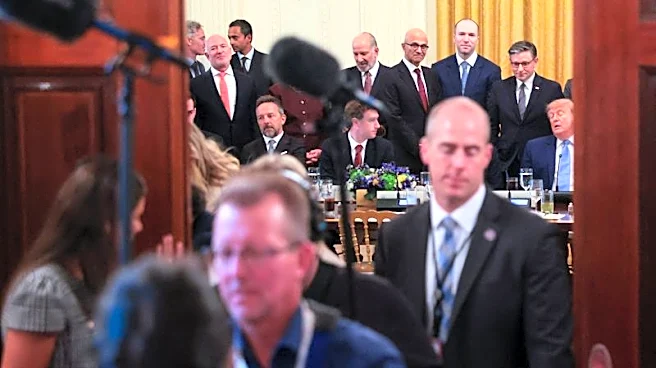
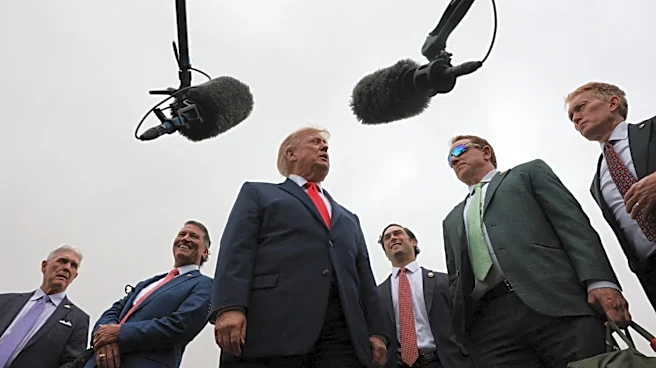
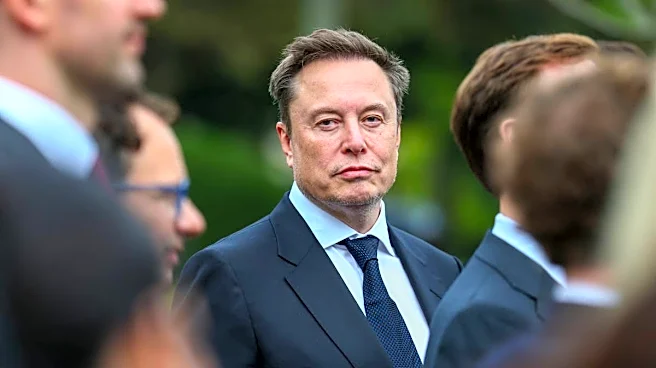
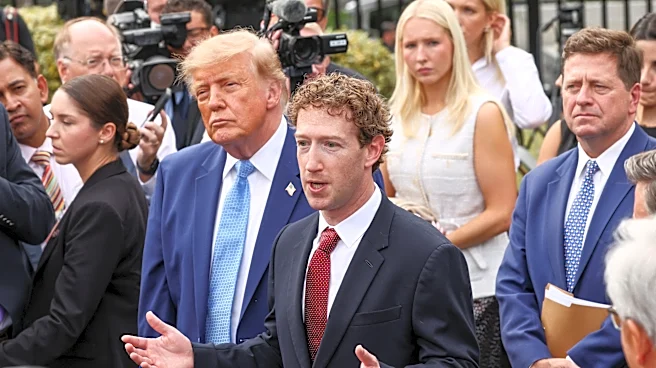
Even President Donald Trump has embraced AI. At a summit with a bevy of tech titans on Sept. 29, with everyone from Google CEO Sundar Pichai to Anthropic CEO Dario Amodei, among others, they signed an agreement to use safeguards with AI to avoid a potential AI-related apocalypse. Most, if not all, of the tech gurus believe that AI will be an intimate part of everyone's everyday lives in under a decade.
In an episode of "The Next Big Thing" podcast, Meta CEO Mark Zuckerberg predicted that in five years, "everyone is going to have an (AI) agent that really intimately understands your goals and everything around you and can help you get stuff done."

In a CBS News interview, Amodei predicted that AI could reduce entry-level white-collar jobs by half, spiking unemployment in five years or less. Tesla and SpaceX CEO Elon Musk, who also attended Trump's summit, has said that within 10 to 20 years, work will be optional, just like people who grow vegetables because they like gardening, even though buying vegetables at a grocery store is more convenient.
I can see the political and economic advantages of Trump forging an alliance with technology CEOs. But it seems as if, in their excitement to build artificial intelligence, they have never considered this: What if I don't want to live in a world where technology does everything for me?
What would we want to do more online and have more AI in our lives
AI accessibility is supposed to make everyday tasks better, but it seems like it's just going to chain everyone to technology even more. Pew Research Center reports 41% of adults say they're online "almost constantly." One NBC News poll found that the majority of voters say the risks of AI are beginning to outweigh the benefits.
This is starting early, too. According to Columbia University research, addictive use of smartphones and social media is creating mental health issues in adolescents. Today's youth are battling smartphone and social media addiction in droves.
A Stanford Medicine psychiatrist says teens shouldn't be befriending AI chatbots, but they are in droves. Some chatbots have talked to users about committing suicide, prompting lawsuits.
There's already proof AI is dulling our minds. Onestudy looking at the paradox of AI in education said overreliance on artificial intelligence causes a process called cognitive offloading. Essentially, even though AI enhances personalized learning at the touch of a button, "excessive reliance may reduce cognitive engagement and long-term retention."
If society is already suffering from online overuse, I struggle to see how my life would improve if I were totally dependent on my own AI agent to function.
I don't want AI to do everything for me. It's unhealthy

Most of the conversations about the risks of AI focus on privacy concerns, security measures or even anxiety that it will take people's jobs. Baby boomers, Generation X and even millennials worry about AI because a future reliant on a techbot naturally sparks fear of the unknown.
But I think something deeper explains the innate, yet growing, resistance to AI. Many of us do not want to give over even more of our bodies and minds to technology.
Remember Pixar's WALL-E? In one scene, WALL-E discovers that the humans who have abandoned Earth and live in space are pampered, fat and lazy, and robots do everything for them. Musk suggests AI will work for us so we can choose to do things instead of having to do them, such as growing vegetables. But I don't see evidence that humanity will choose "relaxing" work over real work, once AI does all our work.
Work is good for me spiritually, physically and mentally − and it's good for us as a society. A myriad of studies show that humans thrive when we receive the dopamine that comes from effort.
Work without effort and pleasure without productivity don't sound like utopia; they sound like laziness that will breed depression, anger, even chaos. I've joked in the past that the only thing I'd be fine with AI doing is cleaning. It's the one task I truly hate. But of course, even menial tasks like cleaning are good for our mental health. I think deep down, a lot of us already know this, and that's why the AI revolution is meeting so much resistance.
AI tech gurus keep pitching AI agents as the futuristic solution to all of society's problems, a pathway to a utopian existence without work, only pleasure. But is that the goal? To live in utopia, like sloths, gagging on bonbons and letting AI think, work and produce for us? I don't want that.
Nicole Russell is an opinion columnist with USA TODAY. She lives in Texas with her four kids. Sign up for her newsletter, The Right Track, and get it delivered to your inbox.
This article originally appeared on USA TODAY: I have news for Big Tech. We don't want AI to do everything | Opinion