







The season for cyclosporiasis, a parasitic infection known for causing explosive diarrhea that tends to spike once a year, has technically "ended"; however, cases are still being reported amid the unprecedented nationwide outbreak that has sickened thousands.
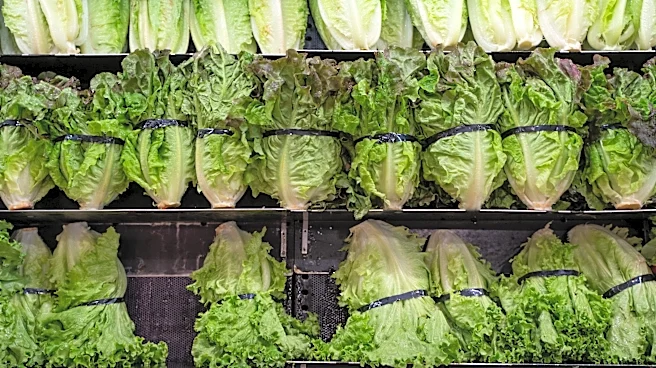
In the United States, we often see a spike in cyclosporiasis during warm summer months, as infected fecal matter makes its way onto fresh, summery produce such as herbs, berries and lettuce, all of which have been associated with outbreaks past and present. The U.S. cyclosporiasis season is technically categorized as May 1 through Aug. 31 by the Centers for Disease Control and Prevention.
August has come and gone, but federal health officials are still confirming cases at a rate of thousands
per week – though that doesn't mean all those infections are brand new.
"Since it can take about six weeks to receive reports of new cases, CDC expects to continue identifying and investigating additional cases beyond this date," the agency said.
As of Aug. 31, 18,445 cyclosporiasis infections have been confirmed across 49 states plus Washington, D.C., since May 1 – an uptick of 1,265 since the CDC's last report on Aug. 24. While these numbers show that confirmed cases themselves are still rising, the overall trend is on a downward swing; previous weeks regularly saw increases into the 2,000 and 3,000 range.
There have been two deaths and 990 hospitalizations, 68 of which were reported since last week, according to the CDC. One state, Hawaii, was added to the list of those with confirmed cases.
Laboratories have yet to confirm at least 13,505 additional cases, the CDC said. The agency's case count lags about six weeks behind state-by-state numbers because of the process required to confirm and officially report an infection back to the federal level. This means states can report new cases that are not reflected in the CDC count for weeks, and new illnesses may not be tracked until over a month after someone sees a doctor.
Michigan, which has been at the center of the largest case cluster, reported 14,510 infections on Aug. 27, up just a few hundred from 14,277 on Aug. 11. The state's health department previously said in an Aug. 6 notice that the pace of new case reports and related emergency department visits was slowing and that residents could resume normal lettuce-eating habits. Some experts told USA TODAY, however, that it may be too early to tell.
See map of states with cyclosporiasis cases
Hawaii was the latest state added to the CDC's list of those with confirmed cases. Only Delaware still does not have federally confirmed cases. Michigan and Ohio remain the two states hit the hardest.
The CDC reports only lab-confirmed cases that occurred on or after May 1 in people who did not travel internationally within 14 days of illness onset. Its numbers often lag behind those cited by state health officials because of tracking, verification and reporting processes. The actual number of sick people is likely higher than this count, as many people recover at home without being diagnosed, according to the health agency.
What is cyclosporiasis? What are the symptoms?
Cyclosporiasis is a parasitic infection that causes gastrointestinal symptoms often associated with food poisoning, such as diarrhea, nausea and vomiting. It is caused by the parasite Cyclospora cayetanensis, also known simply as cyclospora, and is usually contracted through contaminated food or water.
Though unpleasant, it is not generally known to cause death, and in many cases it goes unreported because people recover at home without visiting a doctor. It can cause more serious complications in people with compromised immune systems or other underlying health problems.
The most common symptom is watery, frequent and sometimes "explosive" diarrhea that can go away and come back, according to the CDC and Cleveland Clinic, though other troubles can include:
- Vomiting
- Loss of appetite
- Bloating, including burping and gas, or stomach cramps
- Extreme tiredness (fatigue)
- Fever
- Nausea
Largest outbreak linked to lettuce accounts for more than 11,000 cases in 20 states
While the CDC is investigating multiple separate clusters of the gastrointestinal illness, only one source has been identified so far. According to the agency, it is unlikely that one common cause is behind all the outbreaks nationwide.
The largest outbreak, centered in Michigan, was tracked by the Food and Drug Administration back to recalled iceberg lettuce grown by produce giant Taylor Farms in central Mexico. This specific set of illnesses, first identified through traceback from fast-food chain Taco Bell, accounted for 11,458 cases and 495 hospitalizations across 20 states as of Aug. 27, per the CDC.
Health officials identified the 20 affected states by interviewing and testing sick people to determine whether their infections were related. Related confirmed cases are considered part of the same outbreak and likely stem from the same source. Thus far, these states are the only ones the CDC has confirmed as having cases related to each other and the lettuce, which is no longer available on grocery store shelves.
Both deaths amid the ongoing outbreaks were associated with the lettuce-linked outbreak, according to the agency.
The source of a cyclosporiasis outbreak is harder to track than foodborne illnesses because of a long incubation period, difficulty obtaining samples and the inability to use the same genetic tracking tools available for pathogens like E. coli and listeria.
Some experts have also pointed to cuts to federal food and disease monitoring programs, though Health and Human Services Secretary Robert F. Kennedy Jr. has disputed these critiques.
This article originally appeared on USA TODAY: Cyclospora season is 'over.' See map of states still reporting cases