




San Francisco's city controller warns that reopening the Upper Great Highway to private vehicles could cost the city millions of dollars if voters approve the decision via Proposition G this November.
To revert the two-mile stretch of land from San Francisco's newest coastal park into a weekday roadway, it would potentially cost the city government about $9.8 million in one-time capital expense and potentially about an additional $500,000 to $1.9 million annually to maintain the road, according to a letter from ChiaYu Ma, San Francisco's Deputy Controller.
At the center of this warning is a multi-year struggle between residents on San Francisco's west side, who once used the highway for their weekday commutes, and city residents who voted in 2024
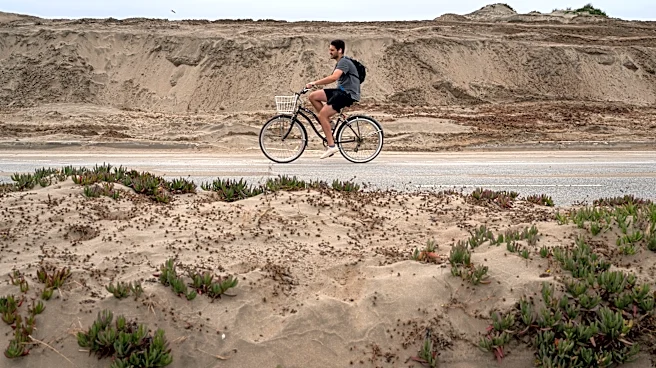
to permanently close the road to public use, after it was temporarily closed during the coronavirus pandemic to give residents an outdoor area for social distancing and recreation.

However, due to the closure, residents of the Sunset District felt their voices had been ignored when San Francisco residents narrowly passed Proposition K, which closed the highway. This sentiment ultimately led residents to recall their regional Supervisor Joel Engardio, who sponsored Proposition K.
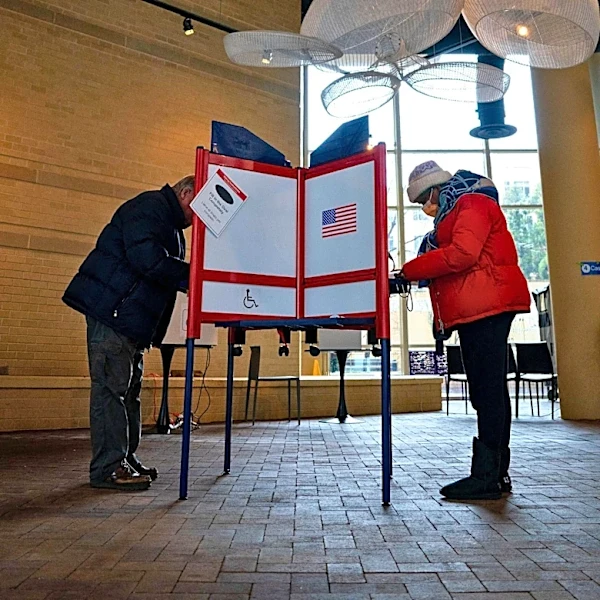
Voters will revisit the issue less than two years later, after Sunset District residents received enough support to place Proposition G on the ballot, which asks San Francisco voters whether they'd be willing to amend the city's park code to reopen the roadway from Mondays at 5 a.m. to Fridays at 6 p.m.
Supporters of Prop G believe that this ordinance is a reasonable "compromise" that "serves the needs of all San Franciscans."
Why would Prop G cost San Francisco millions?
In assessing Prop G, Ma highlights that if the proposition is approved, it will require the city to make several changes along the two-mile stretch to bring the roadway back into compliance with safety standards.
The city would need to remove several existing park elements at Sunset Dunes and restore the roadway, which the city controller's office estimates will cost about $750,000, plus about $200,000 to fix or install temporary and permanent signage.
Additionally, the city would need to install new traffic signals at eight intersections along the highway, which would account for the bulk of the initial cost, at about $8.8 million. As a result of installing the new signals, the city would also be required to revise its Ocean Beach Climate Change Adaptation Project, potentially incurring additional costs to redesign elements of the planned plaza.
And that's assuming the project sticks to its initial projected cost of $9.8 million, which could increase due to higher material costs and any additions.
Once the road meets roadway standards, the city controller's office estimates that maintaining the highways for both weekday vehicles and weekend visitors could cost San Francisco between $500,000 and $1.9 million per year.
The city controller's office calculated this estimate range by reviewing data from costs incurred in prior years.
Data showed that between 2024 and 2026, the city paid about $290,000 and $330,000 per year for sand removal and dune reshaping to maintain the area for visitors. The cost of maintaining the roadway for vehicles increased significantly: between 2022 and 2024, the city paid about $860,000 and $420,000 to keep the roads drivable.
How many people used the Sunset Dunes or Upper Great Highway?
Prior to the closure of the Upper Great Highway, supporters of Prop G note that about 14,000 to 20,000 vehicles used the roadway, as it served as a vital transportation artery along San Francisco's western neighborhoods.
With the removal of weekday access to the roadway, they argue that it has forced thousands of vehiclesto travel through residential streets in surrounding neighborhoods, resulting in increased traffic congestion,noise and safety concerns for Sunset District residents.
Additionally, residents highlight that the permanent closure has also eliminated a critical coastal evacuation route and reduced access routes for emergency personnel.
In July 2025, the San Francisco Municipal Transportation Agency released its first traffic report of the area after the closure and found that between Chain of Lakes Drive and the Upper Great Highway, the roadway saw about 3,200 fewer weekday car trips.
"This suggests that while some traffic has shifted to nearby streets, other trips may have moved to different routes, different types of transportation, or aren’t happening anymore," the report read.
Regardless, supporters believe that the roadway should "serve as a recreational space on weekends when demand for such use is highest, while remaining available for vehicle traffic on weekdays when working families, commuters, and others rely on it to reach employment, schools, medical facilities, and other destinations."
In comparison, the San Francisco Recreation and Park Department found that since the city officially opened, over 2.1 million people have visited the Sunset Dunes as of June 2026.
Notably, since the start of 2026, the city found that more residents were visiting the park on weekdays than on weekends. Between Jan. and March of 2026, the park saw over 525,000 visitors, with 51% of those visits occurring during the week.
Although the number of visitors dropped to over 450,000 between April and June of 2026, weekday visitors accounted for about 56% of the park's visitation.
Noe Padilla is a Northern California Reporter for USA Today. Contact him at npadilla@usatodayco.com, follow him on X @1NoePadilla or on Bluesky @noepadilla.bsky.social. Sign up for the TODAY Californian newsletter or follow us on Facebook at TODAY Californian.
This article originally appeared on USA TODAY: How much would it cost to reopen the Great Highway if Prop G passes?