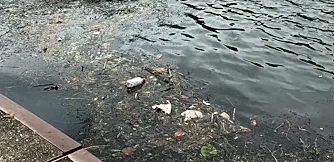








Can you safely swim in Pittsburgh Rivers? Not always — and new 2026 data shows why swimmers should check conditions before getting in.
A PennEnvironment report
found potentially unsafe E. coli levels at 359 of 653 Pennsylvania monitoring sites, or about 55%, on at least one day in 2024 or 2025. E. coli can indicate fecal contamination; exposure may cause gastrointestinal, respiratory, skin or ear infections.The findings include Pittsburgh-area waterways. A Monongahela River site in Pittsburgh exceeded the Beach Action Value — a federal health benchmark often used for swimming advisories — on five of six testing days. An Allegheny River site southeast of Ohio exceeded that benchmark every time it was tested.
Why conditions can worsen
E. coli is a bacteria associated with
human or animal fecal waste. Its presence does not pinpoint a single pollution source, but it can signal that other disease-causing organisms may be in the water.
Heavy rainfall can increase the risk. Stormwater runoff carries pollutants into creeks and rivers, and Pittsburgh’s combined sewer system can overflow during significant rain events. These overflows may send stormwater mixed with untreated or partially treated sewage into waterways.
That is why Three Rivers Waterkeeper advises staying out of the rivers for at least 48 hours after significant rainfall. The group also recommends considering current weather, water levels and river conditions before swimming.
This article by Gabby Sartori was created with the assistance of Artificial Intelligence (AI). Journalists were involved in every step of the information gathering, review, editing and publishing process. Learn more.
This article originally appeared on USA TODAY: Pittsburgh’s rivers safe to swim in? New E. coli data raises concerns