





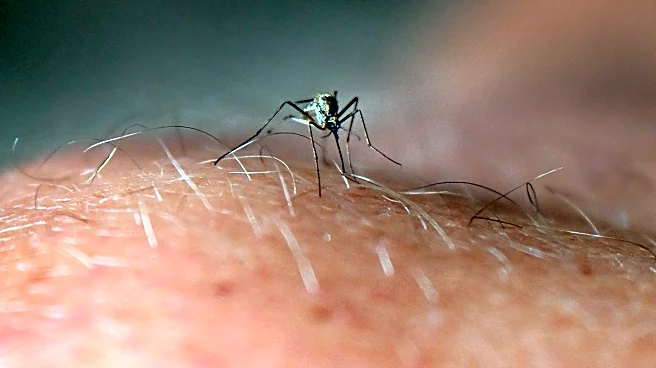

Nearly two months after mosquitoes in Atlanta's Grant Park neighborhood tested positive for West Nile Virus, other areas of the metro are seeing the same results.
The city of Roswell, just north of Atlanta, was notified by the Fulton County Board of Health earlier this week that mosquito traps in two area parks had tested positive for West Nile Virus, the city announced.
Here's what to know ahead of the holiday weekend.
Roswell treats two parks for mosquitoes
Mosquito traps in Roswell Area Park and Garrard Landing Park tested positive for West Nile Virus, according to the city. Both parks were then the subject of treatment from Vector Disease Control International.
The parks were treated on Sept. 1 and Sept. 2 around 9 p.m. or dusk, the city said. The timing allows the treatment to not
disrupt pollinator species, and is safe for both people and pets. The parks are open, as of Sept. 3., for the holiday weekend.
"The Fulton County Board of Health will continue monitoring mosquito surveillance results and will provide additional recommendations if West Nile virus activity increases or the public health risk changes," the city said.
What is West Nile Virus?
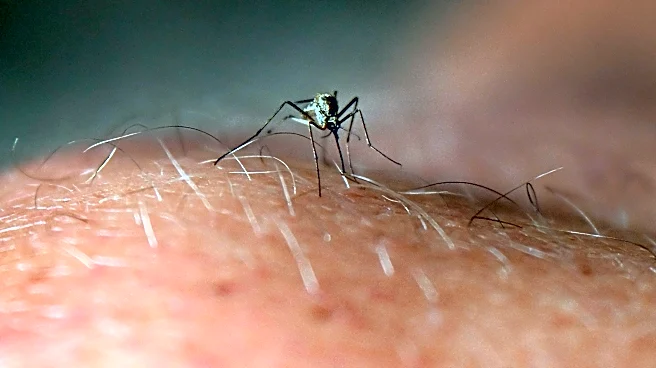
West Nile Virus is the illness caused by infections from a pathogen in the Flaviviridae family. Mosquitoes are hosts for the pathogen, meaning they can spread it to people and other animals without dying.
It is the leading cause of mosquito-borne illness in the contiguous United States, infecting more than 2,000 people each year. About 1,300 people develop a severe illness, and more than 130 people die annually in the U.S. from the infection, according to the Centers for Disease Control and Prevention.
It spreads during mosquito season, or the period between June and October each year. Infections typically peak in late August and early September.
Many people infected may never show symptoms, and others will only experience mild, flu-like symptoms. It can take between 2 and 6 days after a mosquito bite to feel poorly, and then people may experience headaches, body aches, joint pain, vomiting, diarrhea or a rash. Those with mild illness can recover completely, but some fatigue and weakness can last much longer, even weeks or months.
In cases of severe illness, West Nile Virus attacks their central nervous system and can result in hospitalization or death. Patients may experience a very high fever, headaches, neck pain, stupor, disorientation, muscle weakness and other serious symptoms. Recovery can take weeks or months, and some effects could become permanent.
How to prevent mosquito bites
Fulton County health officials recommend following the "5Ds of mosquito bite prevention" to keep yourself safe from mosquito-borne illnesses. Here's what to know if you plan on spending time outside this weekend.
- Dusk/Dawn: Avoid being outside during periods when mosquitoes are most active, including in the early morning and as the sun is setting.
- Dress: Loose-fitting clothes and items with long sleeves or pants will reduce the amount of exposed skin for a mosquito bite and make it difficult for a mosquito to bite through clothes.
- DEET: Insect repellant should contain DEET. It is the most effective ingredient in mosquito repellant.
- Drain: Standing water is a great place for mosquitoes to breed, so make sure to dump out water from buckets, barrels, flowerpots and tarps outside that could harbor mosquito larvae. You should also cut overgrown grass or weeds.
- Doors: While it might be nice for a breeze to pass through your house in the evenings, make sure doors and windows are closed and sealed to keep mosquitoes out of the house.
Irene Wright is the Atlanta Connect reporter with USA Today’s Deep South Connect team. Find her on X @IreneEWright or email her at ismith@usatodayco.com.
This article originally appeared on USA TODAY: More Atlanta metro area mosquitoes test positive for West Nile Virus