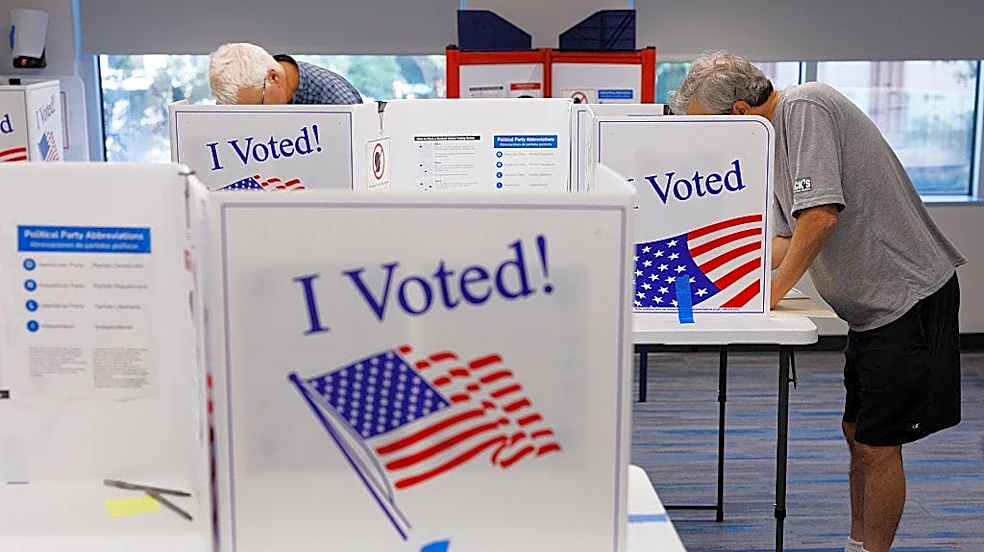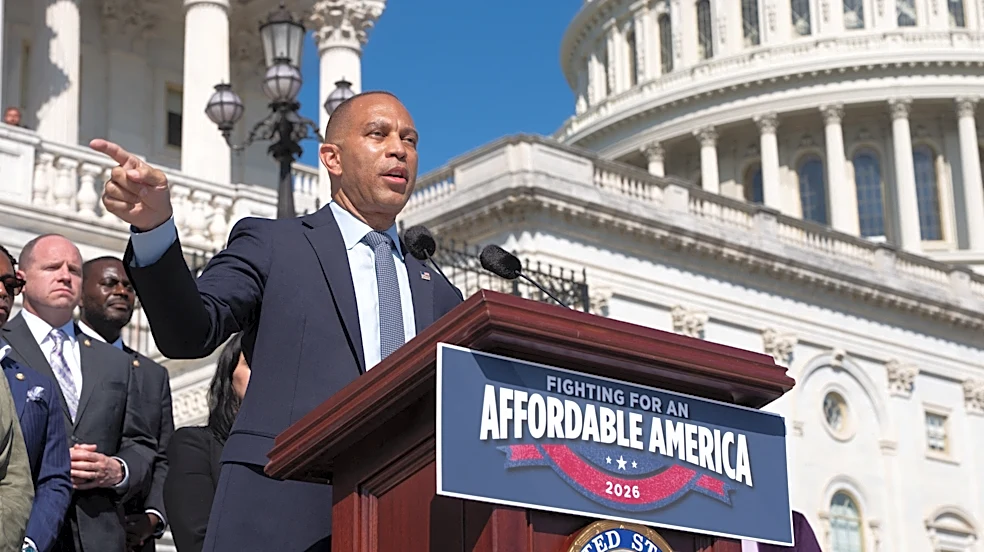



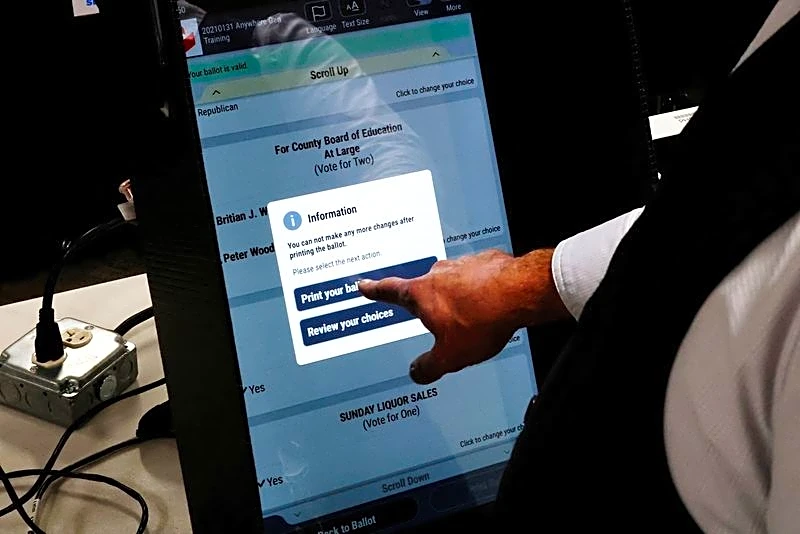

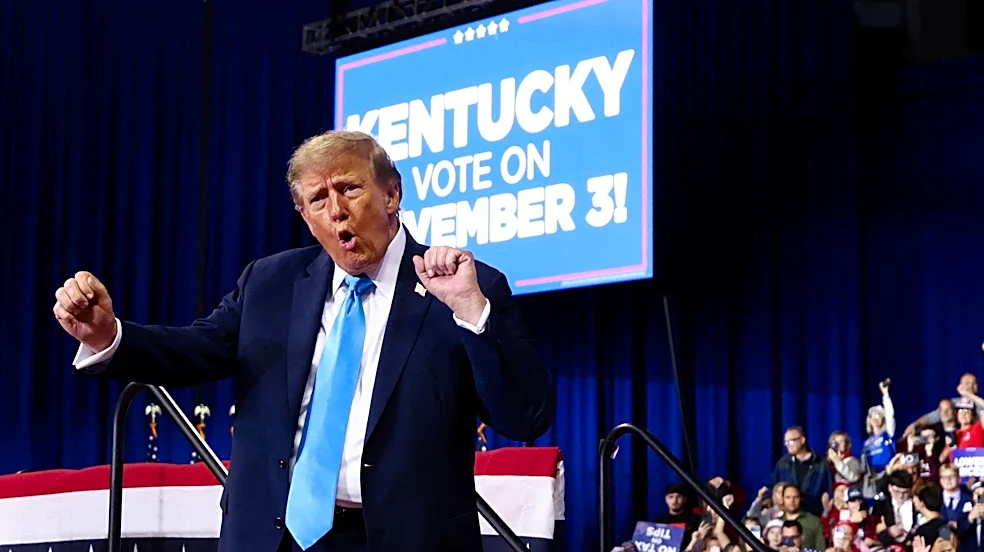

By the morning of Nov. 4, if Republicans have lost the House of Representatives, I have little doubt President Donald Trump will be telling Americans that the midterm elections were rigged.
Trump has spent nearly six years falsely claiming he won the 2020 election. He won in 2024, so he had no reason to cry fraud. This year, Republicans appear likely to lose the House
and could lose the Senate as well, and Trump is already laying the groundwork.Will Republicans go along with him this time?
Trump is getting ready to call 2026 elections rigged

Trump still hasn't let go of 2020, even after losing nearly every lawsuit he brought to overturn it. None of his claims about illegal voters, hacked machines or fraudulent ballots held up.
In a recent Truth Social video, Trump called on Republicans to deliver
a midterm victory "too big to rig," the same line he used in 2024. Republicans delivered then, sparing the country the worst of his election conspiracy claims. But winning only quieted Trump. His ego has never let him drop them.
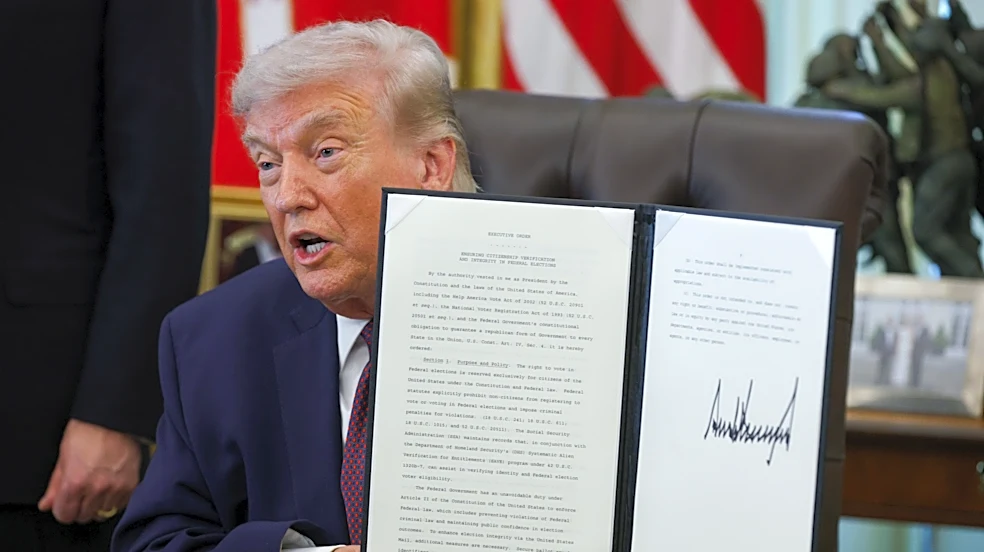
Trump's main accelerant is the SAVE America Act, the election bill he's made his top priority and that has stalled in the Senate. He has said passing it would "guarantee the midterms" and has suggested that without it, the results can't be trusted.
"If you do SAVE America, you're not going to have cheating," Trump said in July. In September, he posted, "The Dumocrats CHEAT. Why won't they approve Voter I.D.?”
The president has also gone after California, where vote counts are slow.
When Republican Spencer Pratt slipped to third in the Los Angeles mayoral primary as mail ballots came in, Trump said Pratt "shouldn't go away quietly" because "in my very strong opinion, that was a rigged election."
Republicans have less incentive to defend Trump now

After the 2020 election, and especially after the attack on the U.S. Capitol on Jan. 6, 2021, Republicans put more distance between themselves and Trump than at any other point since he became president. After the House impeached the president, seven Republican senators voted to convict him, and Senate Minority Leader Mitch McConnell called Trump "practically and morally responsible" for the riot.
In 2022, Trump-backed candidates who said the 2020 election was stolen lost key races, and Republican leaders blamed Trump's picks.
It didn't last. By 2024, most Republicans had spinelessly rallied back behind Trump, and he swept the presidential primaries. Crossing him had become political suicide, and that was when he was out of office. Defying a sitting president, even a weakened one, may be worse.
Outside the weeks after Jan. 6, Trump has never been as unpopular as he is now. Vulnerable Republicans are already breaking with him on tariffs and immigration.
Reps. Don Bacon, Mike Lawler and Brian Fitzpatrick have even signed a letter opposing "any attempt to refuse or delay the seating of any Member-elect," and Rep. Tom Tiffany, who's running for governor of Wisconsin, has said flatly that Joe Biden won the 2020 presidential election.
If Nov. 3 goes badly for Republicans, election legitimacy could be the next issue on which they break with the president.
Trump will surely try to punish defectors with primary challengers, as he has threatened before. But a president on his way out in 2028 is less intimidating by the month. And Republicans in swing districts answer to more than primary voters. They need independents, who in 2022 punished candidates who claimed the 2020 election was stolen.
Then again, a wave election could knock out many of the swing-district Republicans whom Trump's poor approval drags down the most. That would leave fewer Republicans with any reason to break from him.
Trump's grip on Republican primary voters is also still strong. Candidates he endorsed won almost every primary this year, and his picks ousted Sens. John Cornyn and Bill Cassidy and Rep. Thomas Massie. Anyone eyeing 2028 still needs those voters, and Trump's endorsement could still matter.
How Republicans handle all this will tell us a lot about the post-Trump GOP. If they broadly reject the fraud claims Trump is likely to make on election night, his grip on the party is slipping. If they stay quiet, he's still in charge, and the conspiracy theories will keep festering.
Republicans who want a future after Trump should say plainly that the 2026 results are legitimate when he claims they were rigged. Many won't, because they still fear his hold on primary voters. But if ever there was a time to finally grow a spine out of convenience, it is now.
Dace Potas, a law student, is an opinion columnist for USA TODAY. Follow him on X: @DacePotas
This article originally appeared on USA TODAY: When Trump claims midterms were rigged, will GOP speak up? | Opinion