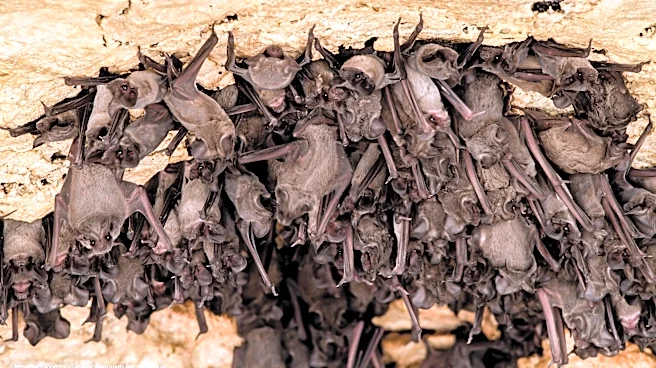










They fly at night, communicate using sounds humans can't hear and are often associated with the spooky season. But bats are also some of California's most valuable and fascinating animals.
“The more we learn about them, the more we're surprised about how awesome they are,” said Katrina Smith, CDFW Statewide Coordinator for Small Mammal Conservation.
California is home to 26 bat species, which come in a wide range of shapes and sizes. They are the only mammals capable of true flight and are highly skilled fliers. Some species flutter through the air like butterflies, while others dive like falcons. Bats have even been recorded flying as high as 10,000 feet above the ground.
Their nighttime habits can make them seem mysterious. Bats fly after dark,
can be difficult to see and communicate using sounds humans cannot hear. Despite common myths, they are not trying to fly into people’s hair.
Bats also provide important benefits to the environment. They eat large numbers of insect pests that can damage crops, making them valuable to agriculture and farmers.
They can also play a role after wildfires by supporting nutrient cycling in affected areas. Some bat species pollinate cacti, while bats in other parts of the world help pollinate many important crops.
There are health risks associated with bats. In September, Yosemite National Park officials announced that a dead big brown bat found outside the Curry Village Showerhouse on May 18 had tested positive for rabies. No known human contact was reported, and park officials said only a very small percentage of bats tested in Yosemite are positive for rabies each year. The previous rabies-positive bat in the park was found in July 2025.
This article originally appeared on USA TODAY: Bats help support California’s ecosystems and agriculture