






As the old saying goes, curiosity killed the cat, so as owners of these mischievous troublemakers, it's crucial to be hyperaware of any everyday items to keep on the ban list for further exploration. That being said, your feline friend will likely sniff out any odors it deems foul before you do: According to Paws Chicago, cats have a sense of smell that's 14 times stronger than a human's, made possible by the 200 million odor sensors in their noses (we have a measly 5 million, if you were the curious one this time).
Of course, since they're armed with nine lives, cats love to push the boundaries and live life on the edge, so we still need to do our due diligence. Here's a list of seven scents to keep away from your kitty:
1. Citrus
Although a wonderful
addition to any dish that needs a punch of acid, oranges, limes, lemons, grapefruits and other citruses are detrimental to cats' health. Citrus scents are especially overwhelming to felines, so they could be used as deterrents to an area you want them to stay away from.
According to Chewy.com, citrus fruits are actually toxic to cats, and they can potentially cause digestive issues or skin reactions. Vets recommend using pheromone sprays as a safer alternative to quell a kitty's anxiety.
2. Capsaicin
Our favorite factor in determining the Scoville rating of hot sauces should be nowhere near your kitty. Capsaicin, the natural chemical compound in chili peppers, can cause severe irritability in a feline's gastrointestinal system. Animal health experts say it's inhumane to use spicy sauces or flavors as a deterrent to cats.
3. Other animals' scents
Unfamiliar animal smells, even if they're from outside, can cause stress and lead to your cat becoming aggressive. If they're especially triggered, your cat may start urinating to mark their territory in an effort to reclaim their space. Remember: Cats love to rub up against surfaces and people to claim a space as their own, and that comfort is driven through scent.
4. Air fresheners
It can be tempting to douse the litter box area with a cloud of Febreze, but air fresheners can easily overwhelm a cat's sensitive nose. Additionally, as PetMD notes, those sprays contain a laundry list of volatile organic compounds that can cause eye, nose and throat irritation, headaches, nausea and damage to a cat's internal organs.
You can reference the ASPCA's Poison Control website to determine which cleaning products are most dangerous. Vets advise to address the source of stenches directly: Clean the litter box more frequently.
5. Spoiled food
We'll give some credit to our naturally inquisitive furry friends here: Cats use their keen sense of smell to detect spoiled meat, protecting themselves from food poisoning while retaining their precious nine lives. Their acidic stomachs can handle some pathogens, but they still will naturally reject food that smells off or is placed near unpleasant scents, like their litter boxes.
To lower the risk of your cat suffering from food poisoning, PetMD recommends to:
- Keep trash in sealed containers and take it out ASAP if there's moldy or spoiled food inside
- Only offer your cat human food that is thoroughly cooked
- Check your cat food labels to verify it isn't expired
- Refrigerate unused wet food portions in covered containers
- Never feed your cat a raw pet food diet or raw treats
- Pay attention to pet food recalls
- Stop your cat from hunting birds or small mammals
6. Lilies
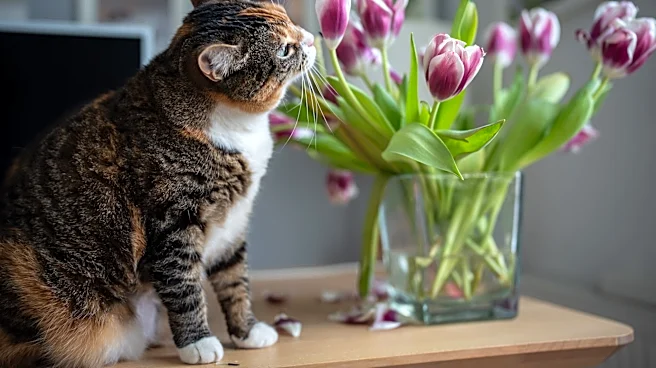
Summer is peak gardening season, so pet parents need to be aware of more than just beauty when selecting outdoor plants. Lilies were the most toxic plants cats were exposed to in 2025, according to the ASPCA Poison Control, with daylilies falling closely behind.
“Highly dangerous plants include true lilies (Easter, tiger, Asiatic/daylilies), which can cause fatal kidney failure even with small exposures,” said Susanne Heartsill, DVM, DABVP (Canine and Feline Practice) and US Director at Ceva Animal Health.
Even trace amounts of pollen or vase water from lilies can cause that rapid, irreversible kidney failure. Cat owners should seek emergency veterinary care if they believe exposure happened.
7. Smoke
It's well established that cigarettes and secondhand smoke can lead to lung cancer and numerous other health issues in people, so it's no surprise that cats feel the brunt of those toxins, too.
Beyond the risk of cancer and asthma, the residue caused by smoking that clings to furniture, rugs and pet fur is also harmful to cats.
According to VCA Animal Hospitals, cats who groom excessively can develop tumors in their mouths from licking off toxic particles that can accumulate on their fur from smoky environments.
Vets from VCA recommend taking smoke breaks outside to reduce your pet's exposure to any secondhand smoke.
This article originally appeared on USA TODAY: Vets advise that you keep your cats away from these 7 odors